
PBL Tubes: The Future of Sustainable Plastic Barrier Laminate Packaging (2025 Comprehensive Guide)
Time: 2025-12-09 10:33:05
Author: Jiangsu Xinfly Packaging Co.,Ltd
Click:
In recent years, the packaging industry has undergone a major transformation as
In recent years, the packaging industry has undergone a major transformation as brands worldwide seek more sustainable alternatives. One of the most impactful innovations to emerge is the PBL Tube — short for Plastic Barrier Laminate Tube.
PBL tubes are changing the face of packaging, offering the perfect blend of durability, recyclability, and visual appeal. Unlike traditional aluminum-based tubes, PBL tubes are made entirely of plastic materials, making them easier to recycle and more compatible with circular economy systems.
Whether in cosmetics, toothpaste, or pharmaceuticals, PBL tubes have become a preferred choice for brands that prioritize both sustainability and consumer convenience.
What Are PBL Tubes?
Full Form and Meaning of PBL
PBL stands for Plastic Barrier Laminate, referring to the multi-layered plastic construction used to form a tube that protects and preserves products while remaining lightweight and recyclable.
Structure and Composition
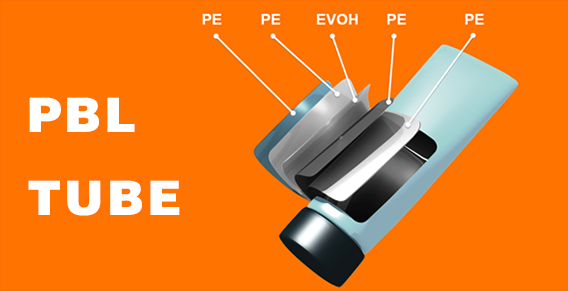
A typical PBL tube consists of several layers:
- Outer Layer (PE – Polyethylene): Provides strength, gloss, and a printable surface.
- Middle Layer (EVOH or PE): Acts as the barrier layer against oxygen and moisture.
- Inner Layer (PE): Ensures compatibility with the product and prevents chemical reactions.
This mono-material design (when all layers are PE-based) makes PBL tubes fully recyclable, which is their biggest advantage over aluminum barrier laminates (ABL).
How PBL Tubes Are Manufactured
Lamination and Extrusion Process
Manufacturing begins by laminating or co-extruding multiple plastic layers into a continuous film. This laminate is then formed into a cylindrical shape and heat-sealed to create the tube body.
Printing and Decoration Techniques
Before the tube is formed, the outer layer is printed using digital, flexographic, or rotogravure printing. These methods produce high-quality designs with options like matte finishes, metallic foils, or soft-touch effects.
Sealing, Capping, and Quality Checks
The final steps include:
- Adding the shoulder and cap assembly.
- Performing leakage and compression tests.
- Ensuring smooth finish and dimensional accuracy.
The result is a flexible, durable, and recyclable tube ready for filling.
Advantages of PBL Tubes
Eco-Friendly and Fully Recyclable
Unlike ABL tubes, PBL tubes are mono-material, meaning they can be easily recycled within existing plastic waste streams. They align perfectly with global sustainability goals and brand commitments to reducing plastic waste.
Excellent Flexibility and Consumer Experience
PBL tubes offer a soft, squeezable texture, making them user-friendly and ideal for personal care products like creams and gels. The material quickly regains shape, ensuring consistent aesthetics throughout use.
Superior Printing and Branding Capabilities
Because they’re entirely plastic, PBL tubes allow for 360-degree high-definition printing. Brands can experiment with bright colors, unique finishes, and digital customization to enhance visual appeal.
Limitations of PBL Tubes
Lower Barrier Performance Than ABL
While PBL tubes offer good protection, their barrier properties are slightly less robust than aluminum. For products highly sensitive to oxygen or UV light, additional EVOH layers or special coatings are required.
Cost and Supply Challenges
The production cost of advanced recyclable PBL tubes is still higher than conventional laminates. Additionally, recycling infrastructure for specialized plastics remains under development in some regions.
Applications of PBL Tubes Across Industries
Cosmetic and Skincare Packaging
PBL tubes are extensively used for lotions, creams, gels, and face masks. Their recyclable nature aligns with clean beauty trends, appealing to eco-conscious consumers.
Oral Care and Toothpaste Industry
Leading toothpaste brands are shifting from ABL to PBL tubes. In fact, Colgate-Palmolive announced a transition to 100% recyclable PBL tubes for all its products by 2025.
Pharmaceutical and Medical Applications
PBL tubes are preferred for topical gels and ointments, offering both hygiene and product safety while reducing environmental impact.
Food and Nutraceutical Uses
Their airtight, food-safe structure makes PBL tubes perfect for nutritional gels, sauces, and health supplements, ensuring freshness and shelf stability.
PBL Tubes vs ABL Tubes: A Detailed Comparison
| Feature | PBL Tubes | ABL Tubes |
|---|---|---|
| Material Composition | All plastic (PE/EVOH) | Plastic + Aluminum foil |
| Recyclability | Fully recyclable | Difficult to recycle |
| Barrier Performance | Good | Excellent |
| Flexibility | High | Moderate |
| Aesthetic Finish | Matte/Glossy | Metallic sheen |
| Environmental Impact | Low | Higher |
| Ideal For | Cosmetics, organic products | Pharmaceuticals, toothpastes |
Aesthetic and Performance Factors
PBL tubes are visually versatile, allowing brands to create vibrant, eco-conscious packaging, while ABL tubes maintain a more metallic, traditional appearance.
Environmental and Cost Considerations
Although ABL tubes are cheaper in bulk, PBL tubes provide long-term sustainability benefits and help brands comply with eco-label regulations like the EU’s Packaging Waste Directive.
Recent Innovations in PBL Tube Technology
Mono-Material and Bio-PE Tubes
Manufacturers are introducing bio-based polyethylene (Bio-PE) made from sugarcane or corn, offering carbon-neutral PBL tubes. These tubes combine recyclability with renewable sourcing.
Digital Printing and Smart Packaging
Advanced digital printing enables short-run, high-quality customization without waste. Some PBL tubes also include QR codes or NFC tags for smart packaging integration, enhancing traceability and consumer engagement.
Top Manufacturers and Brands Using PBL Tubes
Albea and Amcor
These packaging giants have pioneered recyclable PBL Eco-Design tubes that maintain product safety while supporting circular economy practices.
Essel Propack (Huhtamaki)
Essel’s Platina™ PBL tubes are certified recyclable by RecyClass, marking a milestone in sustainable packaging.
Eco-Friendly Indie Brands
Smaller brands like BYBI Beauty, Wild, and Ethique have embraced PBL tubes as part of their clean beauty mission, promoting 100% recyclable packaging solutions.
Sustainability and Recycling of PBL Tubes
Compatibility with Recycling Streams
Because PBL tubes are made of mono-material PE or PP, they can be processed in standard plastic recycling streams. They meet the recycling guidelines of APR (Association of Plastic Recyclers) and RecyClass.
Consumer Role in Recycling PBL Tubes
Consumers can enhance recyclability by:
- Emptying and rinsing the tube completely.
- Removing caps (if made of a different polymer).
- Checking local recycling rules for polyethylene plastics.
By following these simple steps, PBL tubes can be efficiently recycled and reintroduced into the production cycle.
Frequently Asked Questions (FAQs)
1. What does PBL stand for?
PBL stands for Plastic Barrier Laminate, a multi-layered plastic tube structure used for product packaging.
2. Are PBL tubes recyclable?
Yes! PBL tubes are fully recyclable, especially when made from 100% polyethylene (PE).
3. What are PBL tubes made of?
They’re made from layers of polyethylene (PE) and EVOH, providing strength and barrier protection without using aluminum.
4. Are PBL tubes suitable for cosmetics?
Absolutely — PBL tubes are ideal for creams, lotions, and gels due to their soft texture and superior branding potential.
5. What is the main difference between ABL and PBL tubes?
ABL tubes use aluminum for protection, while PBL tubes rely on all-plastic materials for recyclability and sustainability.
6. Which brands are using PBL tubes?
Major brands like Colgate, L’Oréal, and BYBI Beauty have already switched to recyclable PBL tubes to meet global sustainability standards.
Conclusion: Why PBL Tubes Represent the Future of Eco-Packaging
The rise of PBL Tubes symbolizes a major leap toward sustainable, recyclable packaging solutions. With their mono-material design, excellent flexibility, and high-quality appearance, PBL tubes strike a perfect balance between performance, aesthetics, and environmental responsibility.
As global regulations push for sustainable packaging by 2030, PBL tubes are poised to become the industry standard, replacing aluminum-based laminates across personal care, pharma, and food industries.
In short, PBL tubes are not just packaging—they’re a promise of a cleaner, greener future.

点击右上角
分享给朋友吧







 Long by picture save/share
0
Prev : ABL Tubes: The Ultimate Guide to Aluminum Barrier Laminate Packaging (2025 Edition)
Next : Laminated Tubes: The Complete Guide to Modern Flexible Packaging (2025 Edition)
文章推荐
How to Choose the Right Cosmetic Tube Supplier for Your Brand
How to Choose the Right Cosmetic Tube Manufacturer for Your Brand in 2025
Jiangsu Xinfly Packaging Co., Ltd. was established
Jiangsu Xinfly Packaging Co., Ltd. Yangzhou Sales Department was established
Taiwan Office (Taiwan Bintai Enterprise)
PBL Tubes: The Future of Sustainable Plastic Barrier Laminate Packaging (2025 Comprehensive Guide)
Time: 2025-12-09 10:33:05
Author: Jiangsu Xinfly Packaging Co.,Ltd
Click:
In recent years, the packaging industry has undergone a major transformation as
In recent years, the packaging industry has undergone a major transformation as brands worldwide seek more sustainable alternatives. One of the most impactful innovations to emerge is the PBL Tube — short for Plastic Barrier Laminate Tube.
PBL tubes are changing the face of packaging, offering the perfect blend of durability, recyclability, and visual appeal. Unlike traditional aluminum-based tubes, PBL tubes are made entirely of plastic materials, making them easier to recycle and more compatible with circular economy systems.
Whether in cosmetics, toothpaste, or pharmaceuticals, PBL tubes have become a preferred choice for brands that prioritize both sustainability and consumer convenience.
What Are PBL Tubes?
Full Form and Meaning of PBL
PBL stands for Plastic Barrier Laminate, referring to the multi-layered plastic construction used to form a tube that protects and preserves products while remaining lightweight and recyclable.
Structure and Composition
A typical PBL tube consists of several layers:
- Outer Layer (PE – Polyethylene): Provides strength, gloss, and a printable surface.
- Middle Layer (EVOH or PE): Acts as the barrier layer against oxygen and moisture.
- Inner Layer (PE): Ensures compatibility with the product and prevents chemical reactions.
This mono-material design (when all layers are PE-based) makes PBL tubes fully recyclable, which is their biggest advantage over aluminum barrier laminates (ABL).
How PBL Tubes Are Manufactured
Lamination and Extrusion Process
Manufacturing begins by laminating or co-extruding multiple plastic layers into a continuous film. This laminate is then formed into a cylindrical shape and heat-sealed to create the tube body.
Printing and Decoration Techniques
Before the tube is formed, the outer layer is printed using digital, flexographic, or rotogravure printing. These methods produce high-quality designs with options like matte finishes, metallic foils, or soft-touch effects.
Sealing, Capping, and Quality Checks
The final steps include:
- Adding the shoulder and cap assembly.
- Performing leakage and compression tests.
- Ensuring smooth finish and dimensional accuracy.
The result is a flexible, durable, and recyclable tube ready for filling.
Advantages of PBL Tubes
Eco-Friendly and Fully Recyclable
Unlike ABL tubes, PBL tubes are mono-material, meaning they can be easily recycled within existing plastic waste streams. They align perfectly with global sustainability goals and brand commitments to reducing plastic waste.
Excellent Flexibility and Consumer Experience
PBL tubes offer a soft, squeezable texture, making them user-friendly and ideal for personal care products like creams and gels. The material quickly regains shape, ensuring consistent aesthetics throughout use.
Superior Printing and Branding Capabilities
Because they’re entirely plastic, PBL tubes allow for 360-degree high-definition printing. Brands can experiment with bright colors, unique finishes, and digital customization to enhance visual appeal.
Limitations of PBL Tubes
Lower Barrier Performance Than ABL
While PBL tubes offer good protection, their barrier properties are slightly less robust than aluminum. For products highly sensitive to oxygen or UV light, additional EVOH layers or special coatings are required.
Cost and Supply Challenges
The production cost of advanced recyclable PBL tubes is still higher than conventional laminates. Additionally, recycling infrastructure for specialized plastics remains under development in some regions.
Applications of PBL Tubes Across Industries
Cosmetic and Skincare Packaging
PBL tubes are extensively used for lotions, creams, gels, and face masks. Their recyclable nature aligns with clean beauty trends, appealing to eco-conscious consumers.
Oral Care and Toothpaste Industry
Leading toothpaste brands are shifting from ABL to PBL tubes. In fact, Colgate-Palmolive announced a transition to 100% recyclable PBL tubes for all its products by 2025.
Pharmaceutical and Medical Applications
PBL tubes are preferred for topical gels and ointments, offering both hygiene and product safety while reducing environmental impact.
Food and Nutraceutical Uses
Their airtight, food-safe structure makes PBL tubes perfect for nutritional gels, sauces, and health supplements, ensuring freshness and shelf stability.
PBL Tubes vs ABL Tubes: A Detailed Comparison
| Feature | PBL Tubes | ABL Tubes |
|---|---|---|
| Material Composition | All plastic (PE/EVOH) | Plastic + Aluminum foil |
| Recyclability | Fully recyclable | Difficult to recycle |
| Barrier Performance | Good | Excellent |
| Flexibility | High | Moderate |
| Aesthetic Finish | Matte/Glossy | Metallic sheen |
| Environmental Impact | Low | Higher |
| Ideal For | Cosmetics, organic products | Pharmaceuticals, toothpastes |
Aesthetic and Performance Factors
PBL tubes are visually versatile, allowing brands to create vibrant, eco-conscious packaging, while ABL tubes maintain a more metallic, traditional appearance.
Environmental and Cost Considerations
Although ABL tubes are cheaper in bulk, PBL tubes provide long-term sustainability benefits and help brands comply with eco-label regulations like the EU’s Packaging Waste Directive.
Recent Innovations in PBL Tube Technology
Mono-Material and Bio-PE Tubes
Manufacturers are introducing bio-based polyethylene (Bio-PE) made from sugarcane or corn, offering carbon-neutral PBL tubes. These tubes combine recyclability with renewable sourcing.
Digital Printing and Smart Packaging
Advanced digital printing enables short-run, high-quality customization without waste. Some PBL tubes also include QR codes or NFC tags for smart packaging integration, enhancing traceability and consumer engagement.
Top Manufacturers and Brands Using PBL Tubes
Albea and Amcor
These packaging giants have pioneered recyclable PBL Eco-Design tubes that maintain product safety while supporting circular economy practices.
Essel Propack (Huhtamaki)
Essel’s Platina™ PBL tubes are certified recyclable by RecyClass, marking a milestone in sustainable packaging.
Eco-Friendly Indie Brands
Smaller brands like BYBI Beauty, Wild, and Ethique have embraced PBL tubes as part of their clean beauty mission, promoting 100% recyclable packaging solutions.
Sustainability and Recycling of PBL Tubes
Compatibility with Recycling Streams
Because PBL tubes are made of mono-material PE or PP, they can be processed in standard plastic recycling streams. They meet the recycling guidelines of APR (Association of Plastic Recyclers) and RecyClass.
Consumer Role in Recycling PBL Tubes
Consumers can enhance recyclability by:
- Emptying and rinsing the tube completely.
- Removing caps (if made of a different polymer).
- Checking local recycling rules for polyethylene plastics.
By following these simple steps, PBL tubes can be efficiently recycled and reintroduced into the production cycle.
Frequently Asked Questions (FAQs)
1. What does PBL stand for?
PBL stands for Plastic Barrier Laminate, a multi-layered plastic tube structure used for product packaging.
2. Are PBL tubes recyclable?
Yes! PBL tubes are fully recyclable, especially when made from 100% polyethylene (PE).
3. What are PBL tubes made of?
They’re made from layers of polyethylene (PE) and EVOH, providing strength and barrier protection without using aluminum.
4. Are PBL tubes suitable for cosmetics?
Absolutely — PBL tubes are ideal for creams, lotions, and gels due to their soft texture and superior branding potential.
5. What is the main difference between ABL and PBL tubes?
ABL tubes use aluminum for protection, while PBL tubes rely on all-plastic materials for recyclability and sustainability.
6. Which brands are using PBL tubes?
Major brands like Colgate, L’Oréal, and BYBI Beauty have already switched to recyclable PBL tubes to meet global sustainability standards.
Conclusion: Why PBL Tubes Represent the Future of Eco-Packaging
The rise of PBL Tubes symbolizes a major leap toward sustainable, recyclable packaging solutions. With their mono-material design, excellent flexibility, and high-quality appearance, PBL tubes strike a perfect balance between performance, aesthetics, and environmental responsibility.
As global regulations push for sustainable packaging by 2030, PBL tubes are poised to become the industry standard, replacing aluminum-based laminates across personal care, pharma, and food industries.
In short, PBL tubes are not just packaging—they’re a promise of a cleaner, greener future.
点击右上角
分享给朋友吧
Long by picture save/share
0
Prev : ABL Tubes: The Ultimate Guide to Aluminum Barrier Laminate Packaging (2025 Edition)
Next : Laminated Tubes: The Complete Guide to Modern Flexible Packaging (2025 Edition)
More News
How to Choose the Right Cosmetic Tube Supplier for Your Brand
How to Choose the Right Cosmetic Tube Manufacturer for Your Brand in 2025
Jiangsu Xinfly Packaging Co., Ltd. was established
Jiangsu Xinfly Packaging Co., Ltd. Yangzhou Sales Department was established
Taiwan Office (Taiwan Bintai Enterprise)
Customized Cosmetic Tubes Packaging
One-stop Solutions by Xinfly Packaging
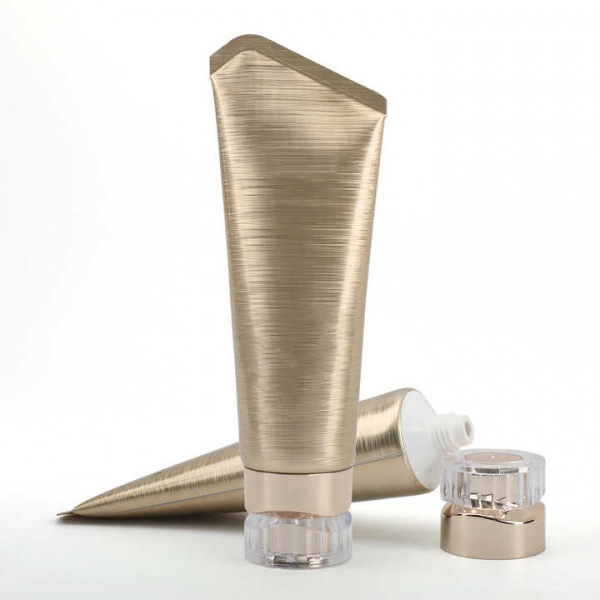
Empty Tube Cosmetic Cream Lotion Facial Cleanser Tubes Gold High Glossy ABL Plastic 100ml 120ml Cosmetic Packaging Round
Empty Tube Cosmetic Cream Lotion Facial Cleanser Tubes Gold High Glossy ABL Plastic 100ml 120ml Cosmetic Packaging Round Tube Manufacturer at www.cosmetic-tube.net
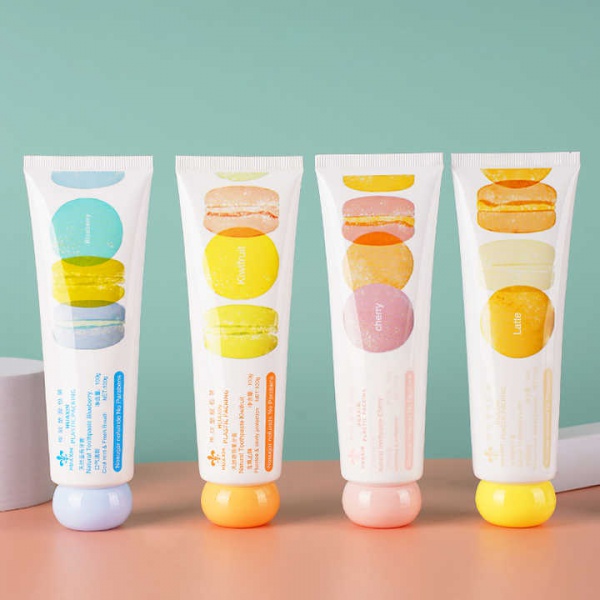
100g Cosmetic Plastic Cream Soft Plastic Tube Laminated Soft Plastic Toothpaste Tube Packaging With Screw Lid
100g Cosmetic Plastic Cream Soft Plastic Tube Laminated Soft Plastic Toothpaste Tube Packaging With Screw Lid Manufacturer at www.cosmetic-tube.net
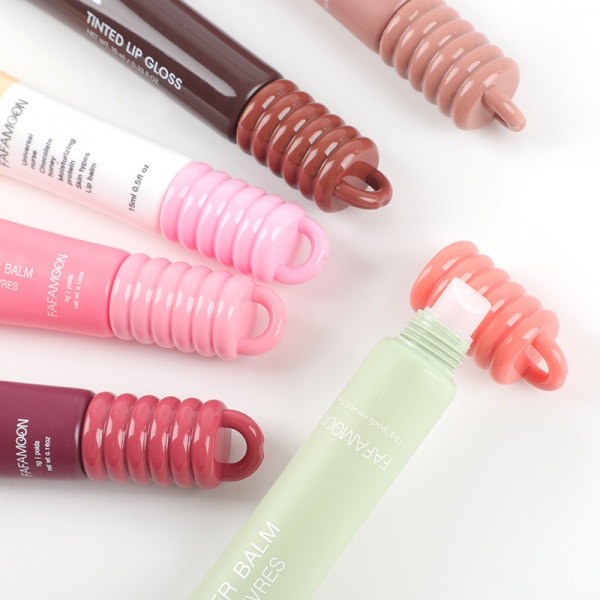
Manufacturers wholesale new empty lipstick tubes hang pendantslip gloss squeeze tube
Manufacturers wholesale new empty lipstick tubes hang pendantslip gloss squeeze tube with Custom logo at www.cosmetic-tube.net
Diameter: 16mm-60mm
Length: adjusted within the range of tube capacity (3ml to 500ml)
Layer: mono-layer,double-layer and 5layers tube
Shape: round,oval,super flat
Material: LDPE,HDPE,MDPE,LLDPE,SOFT TOUCH,EVOH
Tube color: white, transparent,colored
Printing: 1-6 colors offset ,silk cosmetic tube

Hot Sale Squeeze PETG Eye Cream Tube Lip Gloss Tubes Lip Balm Packaging Custom Volume Replaceable Head with Custom logo
Hot Sale Squeeze PETG Eye Cream Tube Lip Gloss Tubes Lip Balm Packaging Custom Volume Replaceable Head with Custom logo at www.cosmetic-tube.net
Diameter: 16mm-60mm
Length: adjusted within the range of tube capacity (3ml to 500ml)
Layer: mono-layer,double-layer and 5layers tube
Shape: round,oval,super flat
Material: LDPE,HDPE,MDPE,LLDPE,SOFT TOUCH,EVOH
Tube color: white, transparent,colored
Printing: 1-6 colors offset ,silk cosmetic tube

OEM/ODM Plastic Tube Empty PE Tube Skin Cream Cleanser Face Cream Sunscreen Cosmetic Packaging Squeeze Tube Manufacturer
OEM/ODM Plastic Tube Empty PE Tube Skin Cream Cleanser Face Cream Sunscreen Cosmetic Packaging Squeeze Tube Manufacturer at www.cosmetic-tube.net
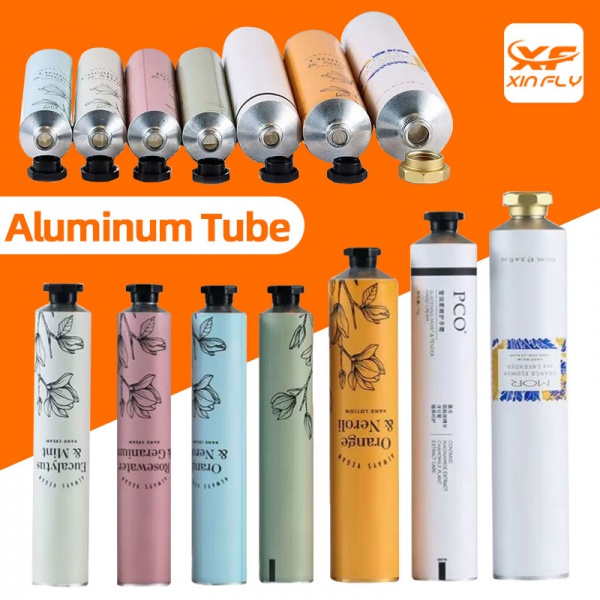
50-100ML Aluminium Collapsible Tubes Hand Cream Tube With Octagonal Top
50-100ML Aluminium Collapsible Tubes Hand Cream Tube With Octagonal Top manufacturers and suppliers at www.cosmetic-tube.net
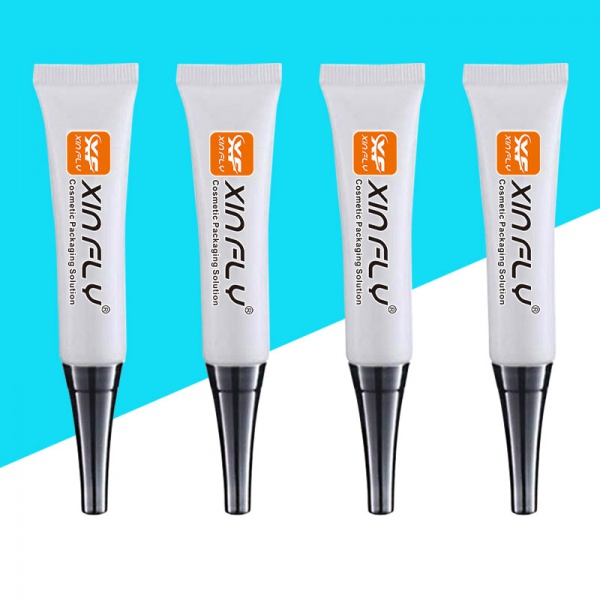
Manufacturer Empty PE Eye Cream Tube Cosmetic Packaging Squeeze Tube with Long Nozzle Custom Medical Gel Container
Manufacturer Empty PE Eye Cream Tube Cosmetic Packaging Squeeze Tube with Long Nozzle Custom Medical Gel Container from Jiangsu Xinfly Packaging Co.,LTD at www.cosmetic-tube.net
Diameter: 16mm-60mm
Length: adjusted within the range of tube capacity (3ml to 500ml)
Layer: mono-layer,double-layer and 5layers tube
Shape: round,oval,super flat
Material: LDPE,HDPE,MDPE,LLDPE,SOFT TOUCH,EVOH
Tube color: white, transparent,colored
Printing: 1-6 colors offset ,silk cosmetic tube
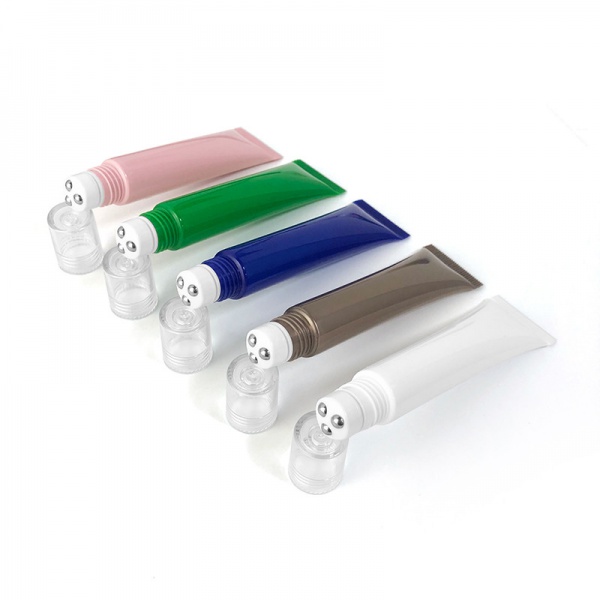
empty packaging cosmetic eyecream tube with steel ball applicator head
empty packaging cosmetic eyecream tube with steel ball applicator head from Jiangsu Xinfly Packaging Co.,LTD at www.cosmetic-tube.net
Diameter: 16mm-60mm
Length: adjusted within the range of tube capacity (3ml to 500ml)
Layer: mono-layer,double-layer and 5layers tube
Shape: round,oval,super flat
Material: LDPE,HDPE,MDPE,LLDPE,SOFT TOUCH,EVOH
Tube color: white, transparent,colored
Printing: 1-6 colors offset ,silk cosmetic tube
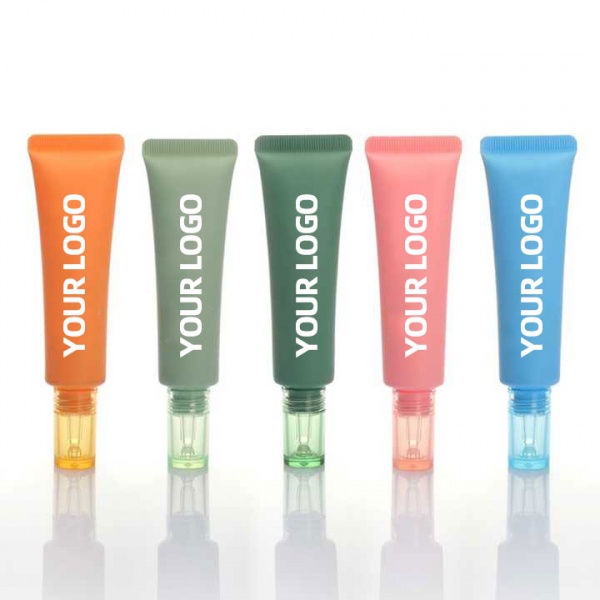
Manufacturer Oem/Odm Customized Soft Plastic Skin Cream Lotion Pe Empty Tube Cosmetic Packaging Composite Nozzle Tubes
Manufacturer Oem/Odm Customized Soft Plastic Skin Cream Lotion Pe Empty Tube Cosmetic Packaging Composite Nozzle Tubes from Jiangsu Xinfly Packaging Co.,LTD at www.cosmetic-tube.net
Diameter: 16mm-60mm
Length: adjusted within the range of tube capacity (3ml to 500ml)
Layer: mono-layer,double-layer and 5layers tube
Shape: round,oval,super flat
Material: LDPE,HDPE,MDPE,LLDPE,SOFT TOUCH,EVOH
Tube color: white, transparent,colored
Printing: 1-6 colors offset ,silk cosmetic tube

10g 10ml 15ml Empty Custom Color Squeeze Tube lip Gloss Lipstick lip Balm Squeeze Tube Packaging Plastic Tube
10g 10ml 15ml Empty Custom Color Squeeze Tube lip Gloss Lipstick lip Balm Squeeze Tube Packaging Plastic Tube at www.cosmetic-tube.net
Diameter: 16mm-60mm
Length: adjusted within the range of tube capacity (3ml to 500ml)
Layer: mono-layer,double-layer and 5layers tube
Shape: round,oval,super flat
Material: LDPE,HDPE,MDPE,LLDPE,SOFT TOUCH,EVOH
Tube color: white, transparent,colored
Printing: 1-6 colors offset ,silk cosmetic tube
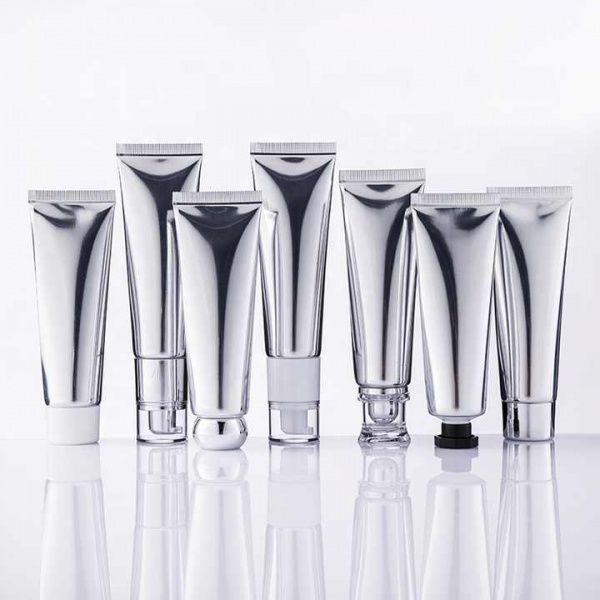
50ml Silver Metallic Glossy Aluminum Laminated Cosmetics Tubes
50ml Silver Metallic Glossy Aluminum Laminated Cosmetics Tubes Cosmetic Tube manufacturers and suppliers at www.cosmetic-tube.net
Diameter: 16mm-60mm
Length: adjusted within the range of tube capacity (3ml to 500ml)
Layer: mono-layer,double-layer and 5layers tube
Shape: round,oval,super flat
Material: LDPE,HDPE,MDPE,LLDPE,SOFT TOUCH,EVOH
Tube color: white, transparent,colored
Printing: 1-6 colors offset ,silk cosmetic tube
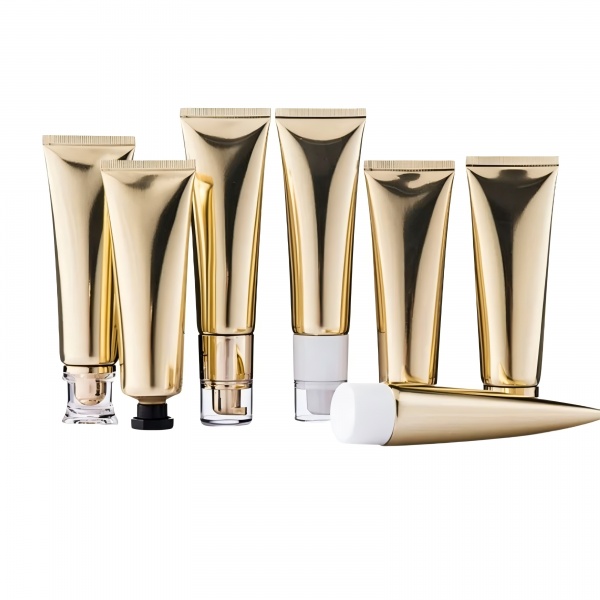
ABL shiny metallic packing with style Gold Aluminum Plastic Cream tube airless Facial Cleansing Cosmetic Tube
ABL shiny metallic packing with style Gold Aluminum Plastic Cream tube airless Facial Cleansing Cosmetic Tube manufacturers and suppliers at www.cosmetic-tube.net
Diameter: 16mm-60mm
Length: adjusted within the range of tube capacity (3ml to 500ml)
Layer: mono-layer,double-layer and 5layers tube
Shape: round,oval,super flat
Material: LDPE,HDPE,MDPE,LLDPE,SOFT TOUCH,EVOH
Tube color: white, transparent,colored
Printing: 1-6 colors offset ,silk cosmetic tube
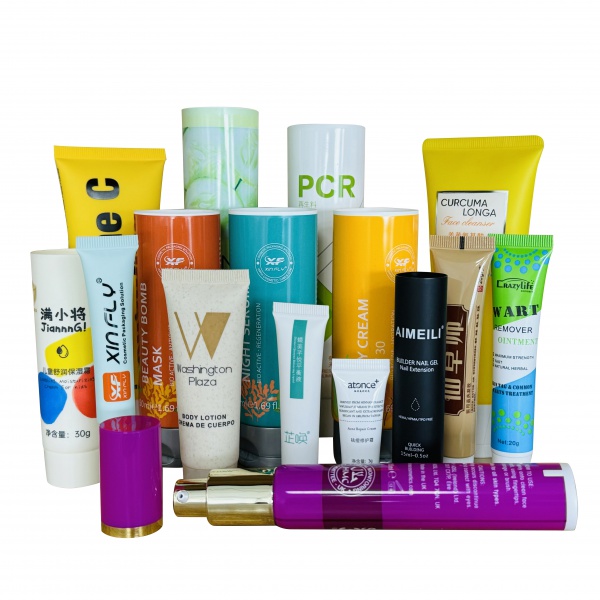
Cosmetic Tube Packaging Cosmetics Container
Cosmetic Tube,Packaging Cosmetics Container manufacturers and suppliers at www.cosmetic-tube.net
Diameter: 16mm-60mm
Length: adjusted within the range of tube capacity (3ml to 500ml)
Layer: mono-layer,double-layer and 5layers tube
Shape: round,oval,super flat
Material: LDPE,HDPE,MDPE,LLDPE,SOFT TOUCH,EVOH
Tube color: white, transparent,colored
Printing: 1-6 colors offset ,silk cosmetic tube
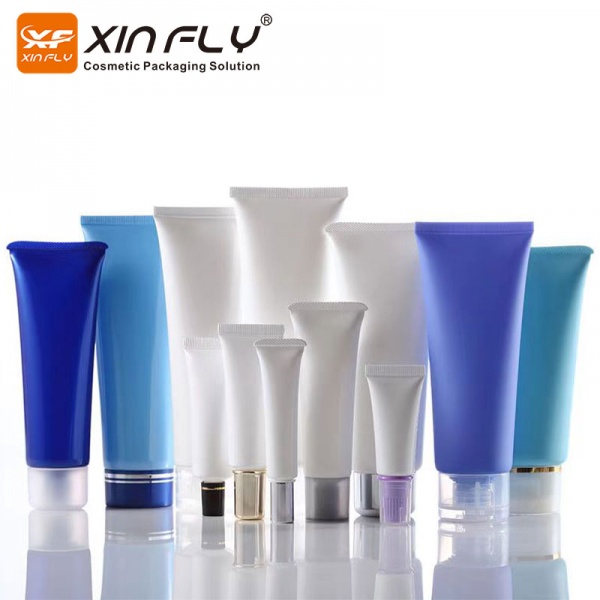
Plastic cosmetic tube manufacturers and suppliers
Plastic cosmetic tube manufacturers and suppliers at www.cosmetic-tube.net
Diameter: 16mm-60mm
Length: adjusted within the range of tube capacity (3ml to 500ml)
Layer: mono-layer,double-layer and 5layers tube
Shape: round,oval,super flat
Material: LDPE,HDPE,MDPE,LLDPE,SOFT TOUCH,EVOH
Tube color: white, transparent,colored
Printing: 1-6 colors offset ,silk cosmetic tube
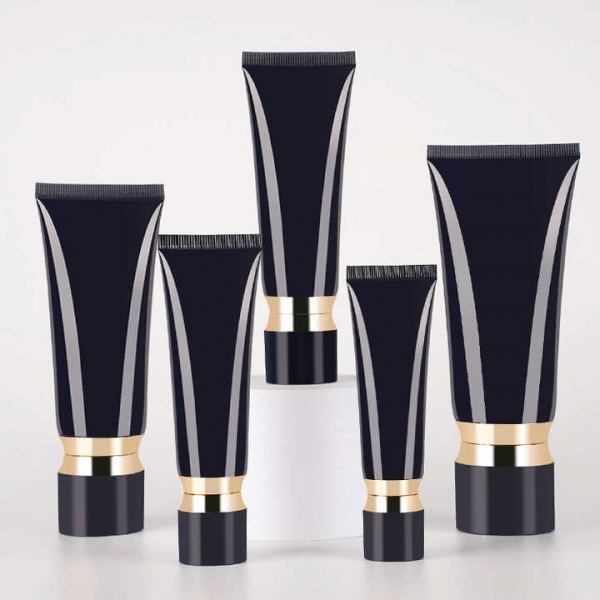
Black 120ml 150ml skin care tube cosmetic plastic packaging tube BB CC cream round plastic packaging tube with screw cap
black 120ml 150ml skin care tube cosmetic plastic packaging tube BB CC cream round plastic packaging tube with screw cap at www.cosmetic-tube.net
Diameter: 16mm-60mm
Length: adjusted within the range of tube capacity (3ml to 500ml)
Layer: mono-layer,double-layer and 5layers tube
Shape: round,oval,super flat
Material: LDPE,HDPE,MDPE,LLDPE,SOFT TOUCH,EVOH
Tube color: white, transparent,colored
Printing: 1-6 colors offset ,silk cosmetic tube
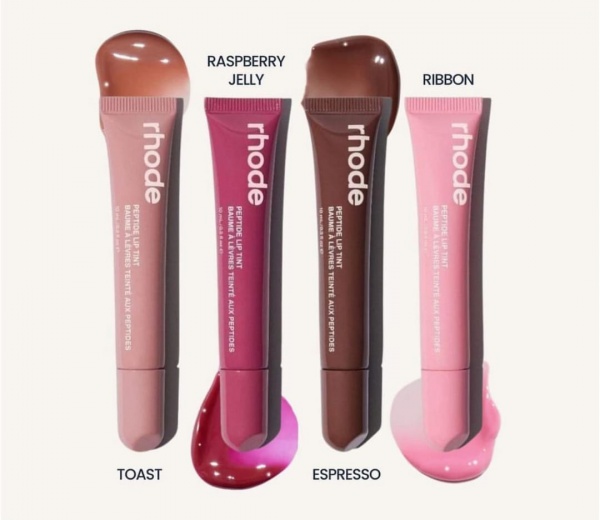
Lipgloss Lip Lipgloss Gloss squeeze tube Cosmetic Soft Tube Packaging
Lipgloss Lip Lipgloss Gloss squeeze tube Cosmetic Soft Tube Packaging at www.cosmetic-tube.net
Diameter: 16mm-60mm
Length: adjusted within the range of tube capacity (3ml to 500ml)
Layer: mono-layer,double-layer and 5layers tube
Shape: round,oval,super flat
Material: LDPE,HDPE,MDPE,LLDPE,SOFT TOUCH,EVOH
Tube color: white, transparent,colored
Printing: 1-6 colors offset ,silk cosmetic tube
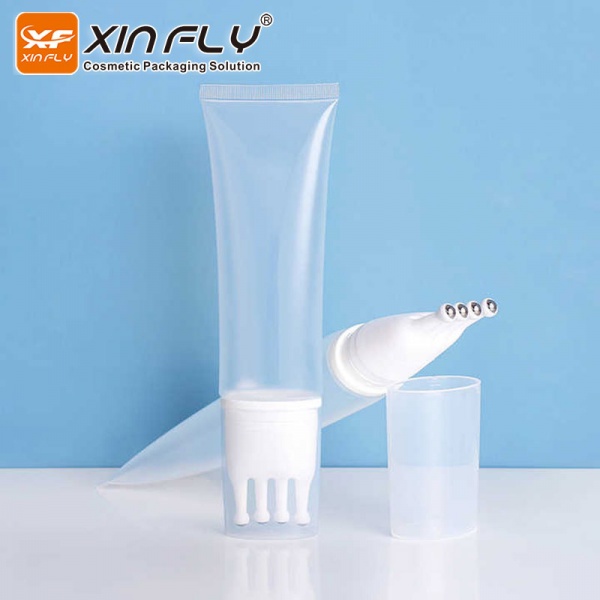
Empty Scalp Massage Skin Care Cream Tube Packaging With Head Massage Applicator With Metal Three Ball Portable Body Massage Tube
Empty Scalp Massage Skin Care Cream Tube Packaging With Head Massage Applicator With Metal Three Ball Portable Body Massage Tube at www.cosmetic-tube.net
Diameter: 16mm-60mm
Length: adjusted within the range of tube capacity (3ml to 500ml)
Layer: mono-layer,double-layer and 5layers tube
Shape: round,oval,super flat
Material: LDPE,HDPE,MDPE,LLDPE,SOFT TOUCH,EVOH
Tube color: white, transparent,colored
Printing: 1-6 colors offset ,silk cosmetic tube

wholesale empty 30ml 50ml 100ml 150ml white plastic PE cosmetic squeeze printing tube with flip top cover
wholesale empty 30ml 50ml 100ml 150ml white plastic PE cosmetic squeeze printing tube with flip top cover on www.cosmetic-tube.net
Diameter: 16mm-60mm
Length: adjusted within the range of tube capacity (3ml to 500ml)
Layer: mono-layer,double-layer and 5layers tube
Shape: round,oval,super flat
Material: LDPE,HDPE,MDPE,LLDPE,SOFT TOUCH,EVOH
Tube color: white, transparent,colored
Printing: 1-6 colors offset ,silk cosmetic tube

Empty 10ml 15ml 30ml 60ml Black Blackout Hard Acrylic UV Nail Extension Poly Building Gel Cosmetic Tube For Gel Packaging
Empty 10ml 15ml 30ml 60ml Black Blackout Hard Acrylic UV Nail Extension Poly Building Gel Cosmetic Tube For Gel Packaging at www.cosmetic-tube.net
Diameter: 16mm-60mm
Length: adjusted within the range of tube capacity (3ml to 500ml)
Layer: mono-layer,double-layer and 5layers tube
Shape: round,oval,super flat
Material: LDPE,HDPE,MDPE,LLDPE,SOFT TOUCH,EVOH
Tube color: white, transparent,colored
Printing: 1-6 colors offset ,silk cosmetic tube
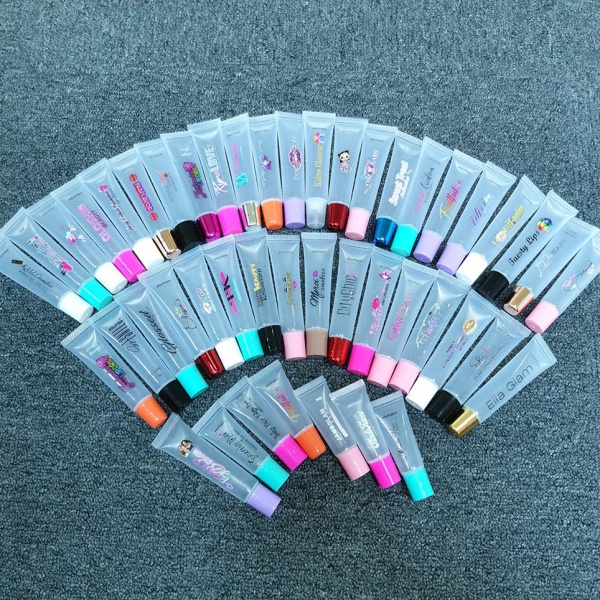
Empty Lip Gloss squeeze tubes
Empty Lip Gloss squeeze tubes from Jiangsu Xinfly Packaging Co.,LTD at www.cosmetic-tube.net
Diameter: 16mm-60mm
Length: adjusted within the range of tube capacity (3ml to 500ml)
Layer: mono-layer,double-layer and 5layers tube
Shape: round,oval,super flat
Material: LDPE,HDPE,MDPE,LLDPE,SOFT TOUCH,EVOH
Tube color: white, transparent,colored
Printing: 1-6 colors offset ,silk cosmetic tube

Empty Cosmetic Packaging Plastic Soft Squeeze Hotel Body Lotion Shampoo Conditioner Body Wash Tube Set
Empty Cosmetic Packaging Plastic Soft Squeeze Hotel Body Lotion Shampoo Conditioner Body Wash Tube Set - empty cosmetic packaging,empty cosmetic tube ,Body lotion tube,shampoo tube on www.cosmetic-tube.net
Diameter: 16mm-60mm
Length: adjusted within the range of tube capacity (3ml to 500ml)
Layer: mono-layer,double-layer and 5layers tube
Shape: round,oval,super flat
Material: LDPE,HDPE,MDPE,LLDPE,SOFT TOUCH,EVOH
Tube color: white, transparen

Eco Friendly Biodegradable Material Wheat Straw Tubes Packaging
Eco Friendly Biodegradable Material Wheat Straw Tubes Packaging - Wheat Straw Tubes,Cosmetic Tubes Packaging,Plastic Tube For Cosmetics,Recycled Plastic Tube,Biodegradable cosmetic tube on www.cosmetic-tube.net
Diameter: 16mm-60mm
Length: adjusted within the range of tube capacity (3ml to 500ml)
Layer: mono-layer,double-layer and 5layers tube
Shape: round,oval,super flat
Material: LDPE,HDPE,MDPE,LLDPE,SOFT TOUCH,EVOH
Tube color: white, transparen
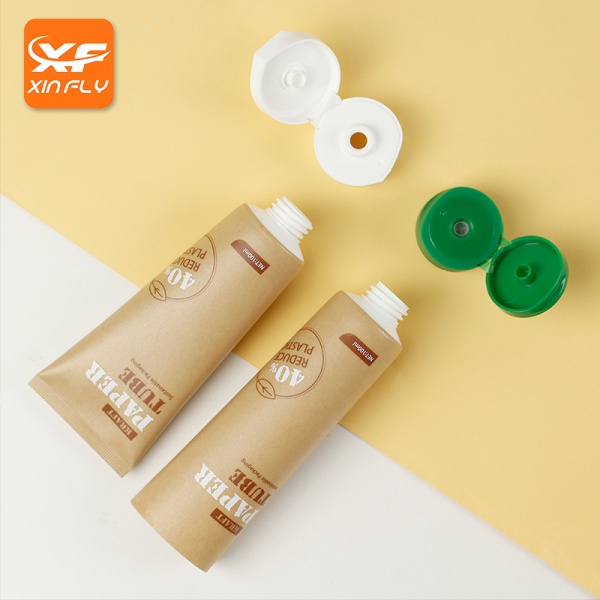
Recyclable 40% Kraft Paper Plastic Body Lotion Hand Cream Cosmetic Soft Tube Biodegradable squeeze tubes packaging
Recyclable 40% Paper Plastic Body Lotion Hand Cream Cosmetic Soft Tube Biodegradable squeeze tubes packaging - Paper Cosmetic Tube,Cosmetic Tubes Packaging,Plastic Tube For Cosmetics,Recycled Plastic Tube,Recycled cosmetic tube on www.cosmetic-tube.net
Diameter: 16mm-60mm
Length: adjusted within the range of tube capacity (3ml to 500ml)
Layer: mono-layer,double-layer and 5layers tube
Shape: round,oval,super flat
Material: LDPE,HDPE,MDPE,LLDPE,SOFT TOUCH,EVOH
Tube color: white, transparen

Eco-packaging Plastic PCR (Post-consumer Resin) Tubes Recycled Cosmetic Tube For Cosmetic Packaging
Eco-packaging Plastic PCR (Post-consumer Resin) Tubes Recycled Cosmetic Tube For Cosmetic Packaging - Pcr Tube,Cosmetic Tubes Packaging,Plastic Tube For Cosmetics Packaging Product on www.cosmetic-tube.net
Diameter: 16mm-60mm
Length: adjusted within the range of tube capacity (3ml to 500ml)
Layer: mono-layer,double-layer and 5layers tube
Shape: round,oval,super flat
Material: LDPE,HDPE,MDPE,LLDPE,SOFT TOUCH,EVOH
Tube color: white, transparent,colored
Printing: 1-6 colors offset ,silkscr
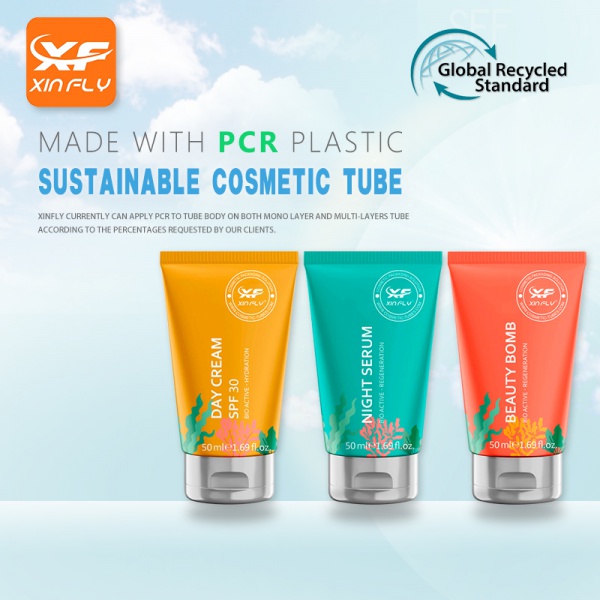
Customization Eco-friendly PCR Cosmetic Cream Lotion Cleanser Body Skincare Tube Packaging Recycled Plastic Tube
Customization Eco-friendly PCR Cosmetic Cream Lotion Cleanser Body Skincare Tube Packaging Recycled Plastic Tube - Pcr Tube,Cosmetic Tubes Packaging,Plastic Tube For Cosmetics Packaging Product on www.cosmetic-tube.net
Diameter: 16mm-60mm
Length: adjusted within the range of tube capacity (3ml to 500ml)
Layer: mono-layer,double-layer and 5layers tube
Shape: round,oval,super flat
Material: LDPE,HDPE,MDPE,LLDPE,SOFT TOUCH,EVOH
Tube color: white, transparent,colored
Coating: Glossy,Matte
Pr
Empty Tube Cosmetic Cream Lotion Facial Cleanser Tubes Gold High Glossy ABL Plastic 100ml 120ml Cosmetic Packaging Round
Empty Tube Cosmetic Cream Lotion Facial Cleanser Tubes Gold High Glossy ABL Plastic 100ml 120ml Cosmetic Packaging Round Tube Manufacturer at www.cosmetic-tube.net
100g Cosmetic Plastic Cream Soft Plastic Tube Laminated Soft Plastic Toothpaste Tube Packaging With Screw Lid
100g Cosmetic Plastic Cream Soft Plastic Tube Laminated Soft Plastic Toothpaste Tube Packaging With Screw Lid Manufacturer at www.cosmetic-tube.net
OEM/ODM Plastic Tube Empty PE Tube Skin Cream Cleanser Face Cream Sunscreen Cosmetic Packaging Squeeze Tube Manufacturer
OEM/ODM Plastic Tube Empty PE Tube Skin Cream Cleanser Face Cream Sunscreen Cosmetic Packaging Squeeze Tube Manufacturer at www.cosmetic-tube.net
50-100ML Aluminium Collapsible Tubes Hand Cream Tube With Octagonal Top
50-100ML Aluminium Collapsible Tubes Hand Cream Tube With Octagonal Top manufacturers and suppliers at www.cosmetic-tube.net
50ml Silver Metallic Glossy Aluminum Laminated Cosmetics Tubes
50ml Silver Metallic Glossy Aluminum Laminated Cosmetics Tubes Cosmetic Tube manufacturers and suppliers at www.cosmetic-tube.net
Diameter: 16mm-60mm
Length: adjusted within the range of tube capacity (3ml to 500ml)
Layer: mono-layer,double-layer and 5layers tube
Shape: round,oval,super flat
Material: LDPE,HDPE,MDPE,LLDPE,SOFT TOUCH,EVOH
Tube color: white, transparent,colored
Printing: 1-6 colors offset ,silk cosmetic tube
ABL shiny metallic packing with style Gold Aluminum Plastic Cream tube airless Facial Cleansing Cosmetic Tube
ABL shiny metallic packing with style Gold Aluminum Plastic Cream tube airless Facial Cleansing Cosmetic Tube manufacturers and suppliers at www.cosmetic-tube.net
Diameter: 16mm-60mm
Length: adjusted within the range of tube capacity (3ml to 500ml)
Layer: mono-layer,double-layer and 5layers tube
Shape: round,oval,super flat
Material: LDPE,HDPE,MDPE,LLDPE,SOFT TOUCH,EVOH
Tube color: white, transparent,colored
Printing: 1-6 colors offset ,silk cosmetic tube
Cosmetic Tube Packaging Cosmetics Container
Cosmetic Tube,Packaging Cosmetics Container manufacturers and suppliers at www.cosmetic-tube.net
Diameter: 16mm-60mm
Length: adjusted within the range of tube capacity (3ml to 500ml)
Layer: mono-layer,double-layer and 5layers tube
Shape: round,oval,super flat
Material: LDPE,HDPE,MDPE,LLDPE,SOFT TOUCH,EVOH
Tube color: white, transparent,colored
Printing: 1-6 colors offset ,silk cosmetic tube
Plastic cosmetic tube manufacturers and suppliers
Plastic cosmetic tube manufacturers and suppliers at www.cosmetic-tube.net
Diameter: 16mm-60mm
Length: adjusted within the range of tube capacity (3ml to 500ml)
Layer: mono-layer,double-layer and 5layers tube
Shape: round,oval,super flat
Material: LDPE,HDPE,MDPE,LLDPE,SOFT TOUCH,EVOH
Tube color: white, transparent,colored
Printing: 1-6 colors offset ,silk cosmetic tube
Black 120ml 150ml skin care tube cosmetic plastic packaging tube BB CC cream round plastic packaging tube with screw cap
black 120ml 150ml skin care tube cosmetic plastic packaging tube BB CC cream round plastic packaging tube with screw cap at www.cosmetic-tube.net
Diameter: 16mm-60mm
Length: adjusted within the range of tube capacity (3ml to 500ml)
Layer: mono-layer,double-layer and 5layers tube
Shape: round,oval,super flat
Material: LDPE,HDPE,MDPE,LLDPE,SOFT TOUCH,EVOH
Tube color: white, transparent,colored
Printing: 1-6 colors offset ,silk cosmetic tube
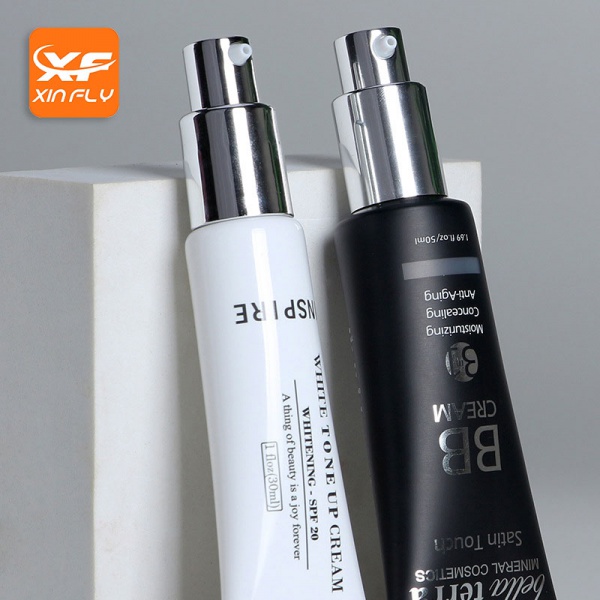
Luxury Empty Plastic 30ml 50ml BB Eye Cream Tube Airless Pump Squeeze Cosmetic Sugarcane Soft Touch Tubes
Luxury Empty Plastic 15ml 30ml 50ml BB Eye Cream Tube Airless Pump Squeeze Cosmetic Sugarcane Soft Touch Tubes on www.cosmetic-tube.net
Diameter: 16mm-60mm
Length: adjusted within the range of tube capacity (3ml to 500ml)
Layer: mono-layer,double-layer and 5layers tube
Shape: round,oval,super flat
Material: LDPE,HDPE,MDPE,LLDPE,SOFT TOUCH,EVOH
Tube color: white, transparent,colored
Printing: 1-6 colors offset ,silk cosmetic tube
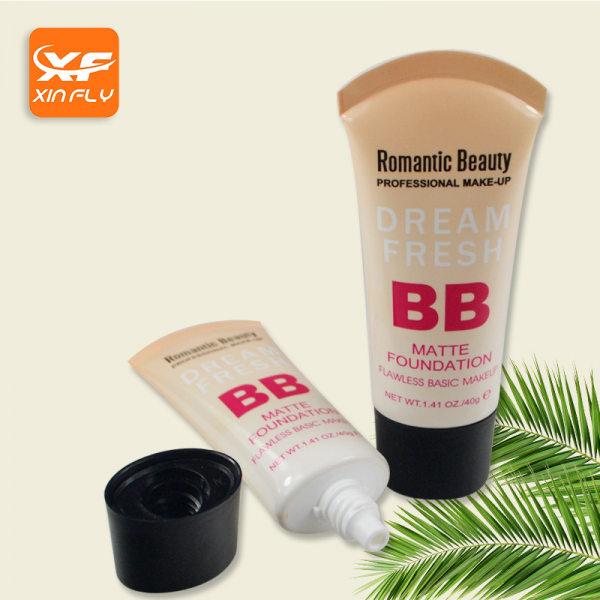
Empty 30ml 35ml Squeeze BB CC Cream Lotion Container Tube Packaging
Cheap 30ml 35ml Squeeze BB CC Cream Lotion Container Tube Packaging on www.cosmetic-tube.net
Diameter: 16mm-60mm
Length: adjusted within the range of tube capacity (3ml to 500ml)
Layer: mono-layer,double-layer and 5layers tube
Shape: round,oval,super flat
Material: LDPE,HDPE,MDPE,LLDPE,SOFT TOUCH,EVOH
Tube color: white, transparent,colored
Printing: 1-6 colors offset ,silk cosmetic tube
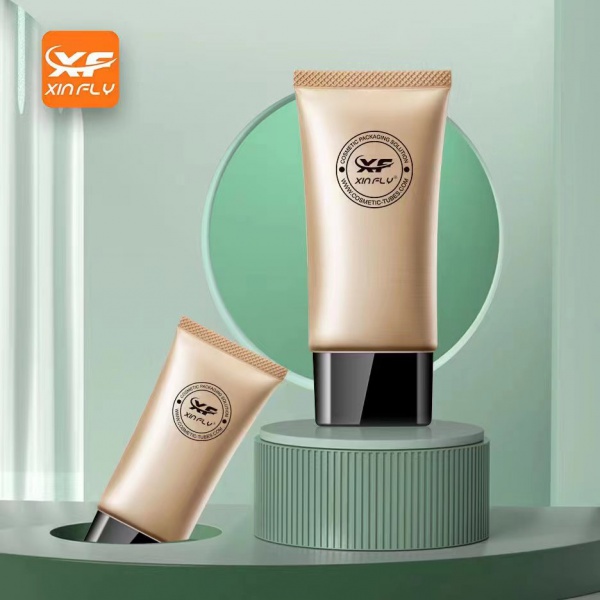
30ml 35ml Squeeze BB CC Cream Lotion Container Tube Packaging
Cheap 30ml 35ml Squeeze BB CC Cream Lotion Container Tube Packaging on www.cosmetic-tube.net
Diameter: 16mm-60mm
Length: adjusted within the range of tube capacity (3ml to 500ml)
Layer: mono-layer,double-layer and 5layers tube
Shape: round,oval,super flat
Material: LDPE,HDPE,MDPE,LLDPE,SOFT TOUCH,EVOH
Tube color: white, transparent,colored
Printing: 1-6 colors offset ,silk cosmetic tube
Manufacturers wholesale new empty lipstick tubes hang pendantslip gloss squeeze tube
Manufacturers wholesale new empty lipstick tubes hang pendantslip gloss squeeze tube with Custom logo at www.cosmetic-tube.net
Diameter: 16mm-60mm
Length: adjusted within the range of tube capacity (3ml to 500ml)
Layer: mono-layer,double-layer and 5layers tube
Shape: round,oval,super flat
Material: LDPE,HDPE,MDPE,LLDPE,SOFT TOUCH,EVOH
Tube color: white, transparent,colored
Printing: 1-6 colors offset ,silk cosmetic tube
Hot Sale Squeeze PETG Eye Cream Tube Lip Gloss Tubes Lip Balm Packaging Custom Volume Replaceable Head with Custom logo
Hot Sale Squeeze PETG Eye Cream Tube Lip Gloss Tubes Lip Balm Packaging Custom Volume Replaceable Head with Custom logo at www.cosmetic-tube.net
Diameter: 16mm-60mm
Length: adjusted within the range of tube capacity (3ml to 500ml)
Layer: mono-layer,double-layer and 5layers tube
Shape: round,oval,super flat
Material: LDPE,HDPE,MDPE,LLDPE,SOFT TOUCH,EVOH
Tube color: white, transparent,colored
Printing: 1-6 colors offset ,silk cosmetic tube
10g 10ml 15ml Empty Custom Color Squeeze Tube lip Gloss Lipstick lip Balm Squeeze Tube Packaging Plastic Tube
10g 10ml 15ml Empty Custom Color Squeeze Tube lip Gloss Lipstick lip Balm Squeeze Tube Packaging Plastic Tube at www.cosmetic-tube.net
Diameter: 16mm-60mm
Length: adjusted within the range of tube capacity (3ml to 500ml)
Layer: mono-layer,double-layer and 5layers tube
Shape: round,oval,super flat
Material: LDPE,HDPE,MDPE,LLDPE,SOFT TOUCH,EVOH
Tube color: white, transparent,colored
Printing: 1-6 colors offset ,silk cosmetic tube
Lipgloss Lip Lipgloss Gloss squeeze tube Cosmetic Soft Tube Packaging
Lipgloss Lip Lipgloss Gloss squeeze tube Cosmetic Soft Tube Packaging at www.cosmetic-tube.net
Diameter: 16mm-60mm
Length: adjusted within the range of tube capacity (3ml to 500ml)
Layer: mono-layer,double-layer and 5layers tube
Shape: round,oval,super flat
Material: LDPE,HDPE,MDPE,LLDPE,SOFT TOUCH,EVOH
Tube color: white, transparent,colored
Printing: 1-6 colors offset ,silk cosmetic tube
Empty Lip Gloss squeeze tubes
Empty Lip Gloss squeeze tubes from Jiangsu Xinfly Packaging Co.,LTD at www.cosmetic-tube.net
Diameter: 16mm-60mm
Length: adjusted within the range of tube capacity (3ml to 500ml)
Layer: mono-layer,double-layer and 5layers tube
Shape: round,oval,super flat
Material: LDPE,HDPE,MDPE,LLDPE,SOFT TOUCH,EVOH
Tube color: white, transparent,colored
Printing: 1-6 colors offset ,silk cosmetic tube
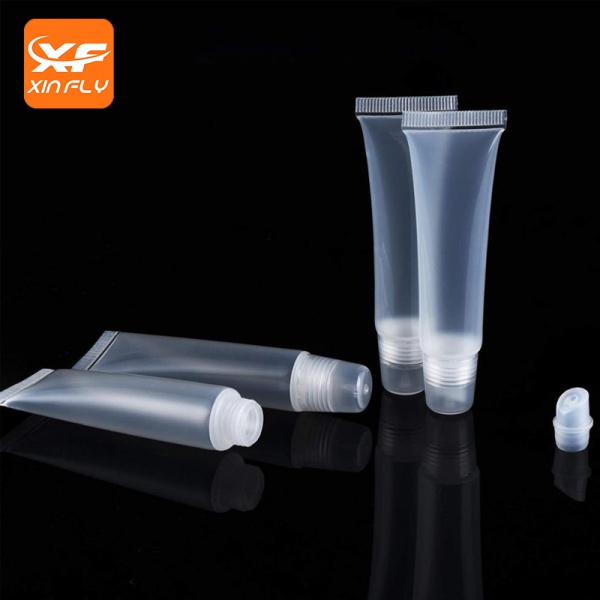
Custom LOGO Pink Black Silver Clear cap lipgloss tube private label 5ml 8ml 10ml 15ml empty squeeze lip gloss tube containers
Custom LOGO Pink Black Silver Clear cap lipgloss tube private label 5ml 8ml 10ml 15ml empty squeeze lip gloss tube containers from Jiangsu Xinfly Packaging Co.,LTD at www.cosmetic-tube.net
Diameter: 16mm-60mm
Length: adjusted within the range of tube capacity (3ml to 500ml)
Layer: mono-layer,double-layer and 5layers tube
Shape: round,oval,super flat
Material: LDPE,HDPE,MDPE,LLDPE,SOFT TOUCH,EVOH
Tube color: white, transparent,colored
Printing: 1-6 colors offset ,silk cosmetic tube
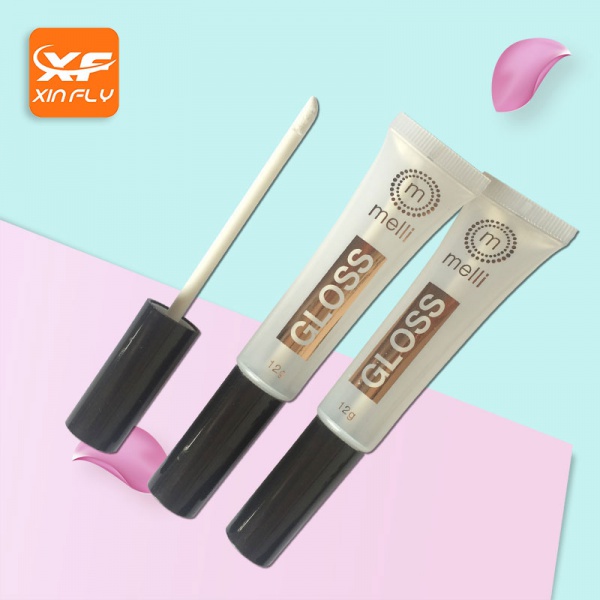
Custom Printed Clear Plastic Lipgloss Tube Container Empty Soft Lip Gloss Squeeze Tubes With Wand
Custom Printed Clear Plastic Lipgloss Tube Container Empty Soft Lip Gloss Squeeze Tubes With Wand from Jiangsu Xinfly Packaging Co.,LTD at www.cosmetic-tube.net
Diameter: 16mm-60mm
Length: adjusted within the range of tube capacity (3ml to 500ml)
Layer: mono-layer,double-layer and 5layers tube
Shape: round,oval,super flat
Material: LDPE,HDPE,MDPE,LLDPE,SOFT TOUCH,EVOH
Tube color: white, transparent,colored
Printing: 1-6 colors offset ,silk cosmetic tube
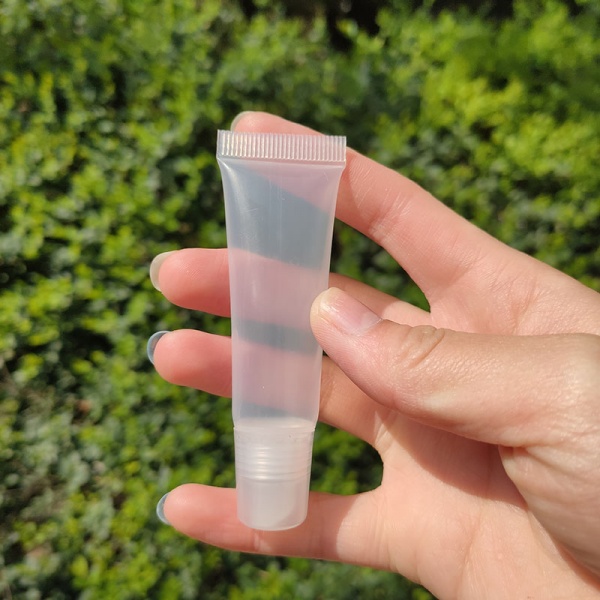
15ml Empty Lip Gloss squeeze tubes
15ml Empty Lip Gloss squeeze tubes from Jiangsu Xinfly Packaging Co.,LTD at www.cosmetic-tube.net
Diameter: 16mm-60mm
Length: adjusted within the range of tube capacity (3ml to 500ml)
Layer: mono-layer,double-layer and 5layers tube
Shape: round,oval,super flat
Material: LDPE,HDPE,MDPE,LLDPE,SOFT TOUCH,EVOH
Tube color: white, transparent,colored
Printing: 1-6 colors offset ,silk cosmetic tube
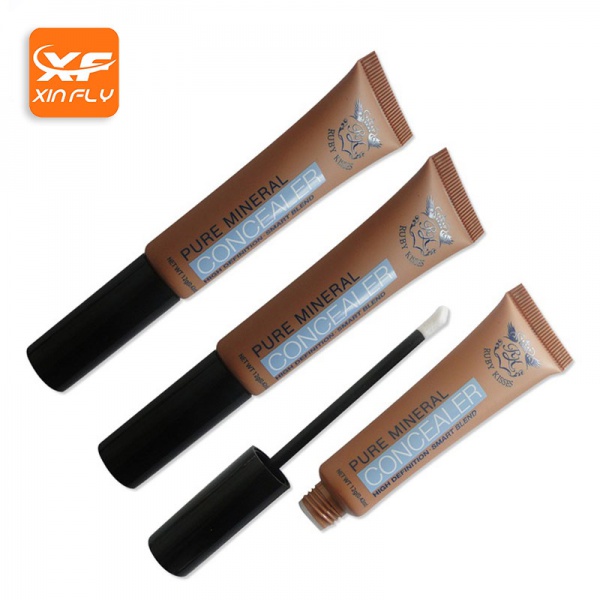
Custom Printed Clear Plastic Lipgloss Tube Container Empty Soft Lip Gloss Squeeze Tubes With Wand-副本-副本
Custom Printed Clear Plastic Lipgloss Tube Container Empty Soft Lip Gloss Squeeze Tubes With Wand from Jiangsu Xinfly Packaging Co.,LTD at www.cosmetic-tube.net
Diameter: 16mm-60mm
Length: adjusted within the range of tube capacity (3ml to 500ml)
Layer: mono-layer,double-layer and 5layers tube
Shape: round,oval,super flat
Material: LDPE,HDPE,MDPE,LLDPE,SOFT TOUCH,EVOH
Tube color: white, transparent,colored
Printing: 1-6 colors offset ,silk cosmetic tube
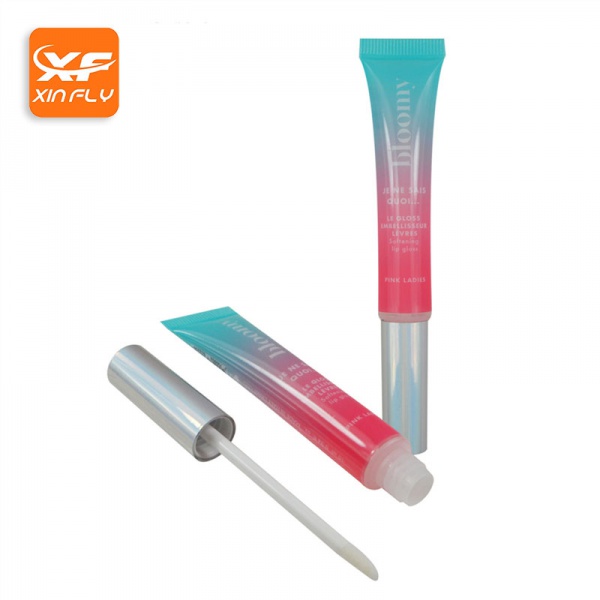
Custom Printed Clear Plastic Lipgloss Tube Container Empty Soft Lip Gloss Squeeze Tubes With Wand
Custom Printed Clear Plastic Lipgloss Tube Container Empty Soft Lip Gloss Squeeze Tubes With Wand from Jiangsu Xinfly Packaging Co.,LTD at www.cosmetic-tube.net
Diameter: 16mm-60mm
Length: adjusted within the range of tube capacity (3ml to 500ml)
Layer: mono-layer,double-layer and 5layers tube
Shape: round,oval,super flat
Material: LDPE,HDPE,MDPE,LLDPE,SOFT TOUCH,EVOH
Tube color: white, transparent,colored
Printing: 1-6 colors offset ,silk cosmetic tube
Manufacturer Empty PE Eye Cream Tube Cosmetic Packaging Squeeze Tube with Long Nozzle Custom Medical Gel Container
Manufacturer Empty PE Eye Cream Tube Cosmetic Packaging Squeeze Tube with Long Nozzle Custom Medical Gel Container from Jiangsu Xinfly Packaging Co.,LTD at www.cosmetic-tube.net
Diameter: 16mm-60mm
Length: adjusted within the range of tube capacity (3ml to 500ml)
Layer: mono-layer,double-layer and 5layers tube
Shape: round,oval,super flat
Material: LDPE,HDPE,MDPE,LLDPE,SOFT TOUCH,EVOH
Tube color: white, transparent,colored
Printing: 1-6 colors offset ,silk cosmetic tube
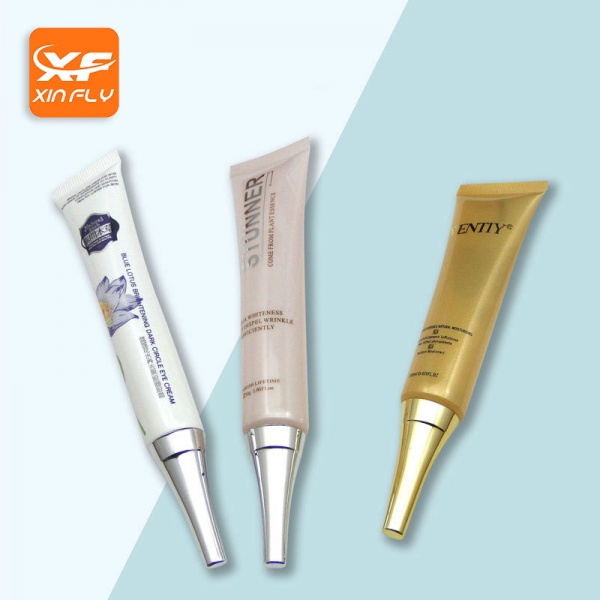
15ml 20ml 30ml custom squeeze soft sample Plastic Long Nozzle Eye Serum cream Tube with plating lid
15ml 20ml 30ml custom squeeze soft sample Plastic Long Nozzle Eye Serum cream Tube with plating lid from Jiangsu Xinfly Packaging Co.,LTD at www.cosmetic-tube.net
Diameter: 16mm-60mm
Length: adjusted within the range of tube capacity (3ml to 500ml)
Layer: mono-layer,double-layer and 5layers tube
Shape: round,oval,super flat
Material: LDPE,HDPE,MDPE,LLDPE,SOFT TOUCH,EVOH
Tube color: white, transparent,colored
Printing: 1-6 colors offset ,silk cosmetic tube
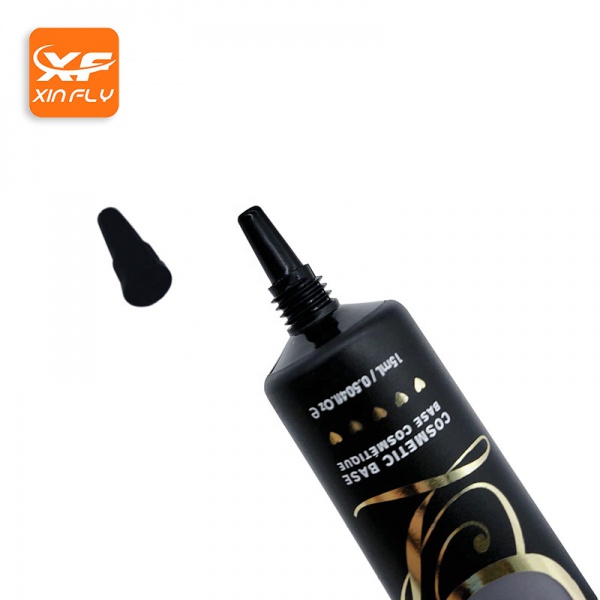
printed empty pe soft tube long nose gel packaging cosmetic eye cream packing containers plastic tube
printed empty pe soft tube long nose gel packaging cosmetic eye cream packing containers plastic tube from Jiangsu Xinfly Packaging Co.,LTD at www.cosmetic-tube.net
Diameter: 16mm-60mm
Length: adjusted within the range of tube capacity (3ml to 500ml)
Layer: mono-layer,double-layer and 5layers tube
Shape: round,oval,super flat
Material: LDPE,HDPE,MDPE,LLDPE,SOFT TOUCH,EVOH
Tube color: white, transparent,colored
Printing: 1-6 colors offset ,silk cosmetic tube
50ml Silver Metallic Glossy Aluminum Laminated Cosmetics Tubes
50ml Silver Metallic Glossy Aluminum Laminated Cosmetics Tubes Cosmetic Tube manufacturers and suppliers at www.cosmetic-tube.net
Diameter: 16mm-60mm
Length: adjusted within the range of tube capacity (3ml to 500ml)
Layer: mono-layer,double-layer and 5layers tube
Shape: round,oval,super flat
Material: LDPE,HDPE,MDPE,LLDPE,SOFT TOUCH,EVOH
Tube color: white, transparent,colored
Printing: 1-6 colors offset ,silk cosmetic tube
ABL shiny metallic packing with style Gold Aluminum Plastic Cream tube airless Facial Cleansing Cosmetic Tube
ABL shiny metallic packing with style Gold Aluminum Plastic Cream tube airless Facial Cleansing Cosmetic Tube manufacturers and suppliers at www.cosmetic-tube.net
Diameter: 16mm-60mm
Length: adjusted within the range of tube capacity (3ml to 500ml)
Layer: mono-layer,double-layer and 5layers tube
Shape: round,oval,super flat
Material: LDPE,HDPE,MDPE,LLDPE,SOFT TOUCH,EVOH
Tube color: white, transparent,colored
Printing: 1-6 colors offset ,silk cosmetic tube
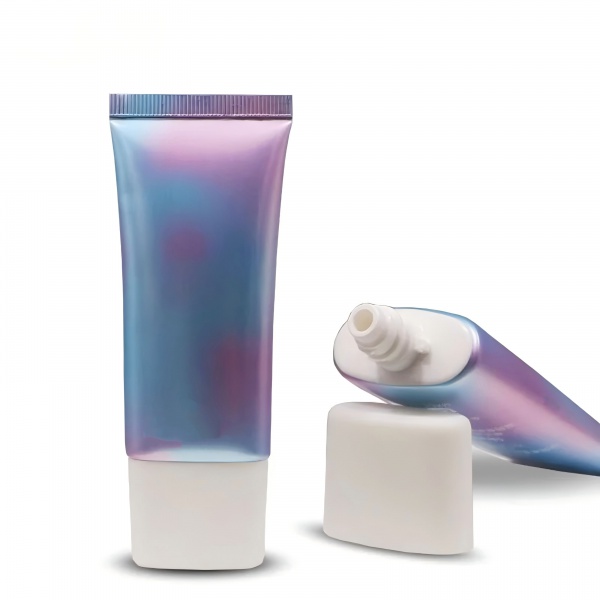
ABL Empty Aluminium Laminated Tubes Cosmetic Packaging Plastic Tube
ABL Empty Aluminium Laminated Tubes Cosmetic Packaging Plastic Tube manufacturers and suppliers at www.cosmetic-tube.net
Diameter: 16mm-60mm
Length: adjusted within the range of tube capacity (3ml to 500ml)
Layer: mono-layer,double-layer and 5layers tube
Shape: round,oval,super flat
Material: LDPE,HDPE,MDPE,LLDPE,SOFT TOUCH,EVOH
Tube color: white, transparent,colored
Printing: 1-6 colors offset ,silk cosmetic tube
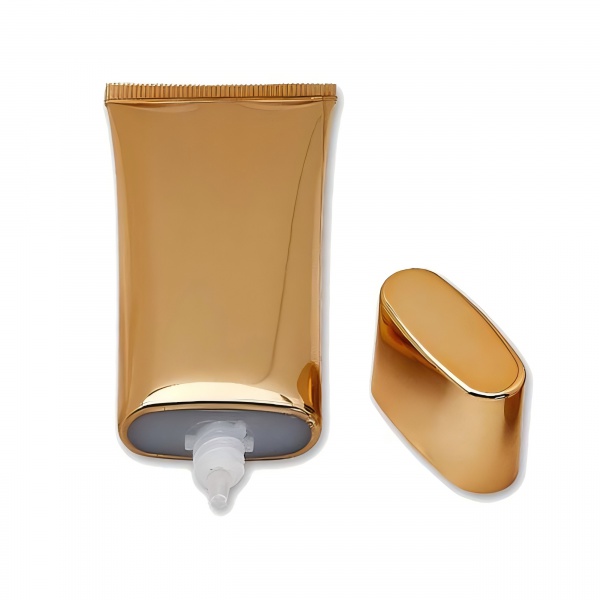
Flat Squeeze Aluminum Plastic Tubes for BB and CC Cream
Flat Oval Squeeze Aluminum Plastic Tubes for BB and CC Cream manufacturers and suppliers at www.cosmetic-tube.net
Diameter: 16mm-60mm
Length: adjusted within the range of tube capacity (3ml to 500ml)
Layer: mono-layer,double-layer and 5layers tube
Shape: round,oval,super flat
Material: LDPE,HDPE,MDPE,LLDPE,SOFT TOUCH,EVOH
Tube color: white, transparent,colored
Printing: 1-6 colors offset ,silk cosmetic tube

No data
Cosmetic Tubes Packaging – Our offer
Polyethylene tubes
We manufacture polyethylene tubes from solid and durable polymers of varying density. Their sturdiness makes them a perfect solution for a variety of industries – food, cosmetics, chemicals, pharmaceuticals and more. The colour and size of our recycled plastic tubes, as well as the type of cap, can be adapted to client’s needs.
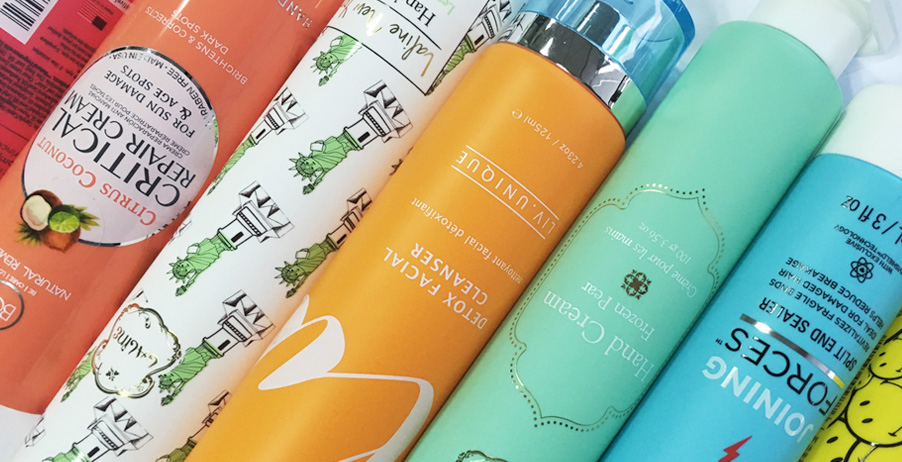
Sugar cane tubes
As one of a few renowned tube manufacturers from China, we made sure to include ecological products within our offer. Sugar cane tubes are made from bio-based polyethylene (at least 96%), which is obtained from sugar cane. This type of packaging does not consist of potentially harmful Biosfenol. This eco friendly squeeze tube can be easily recycled.
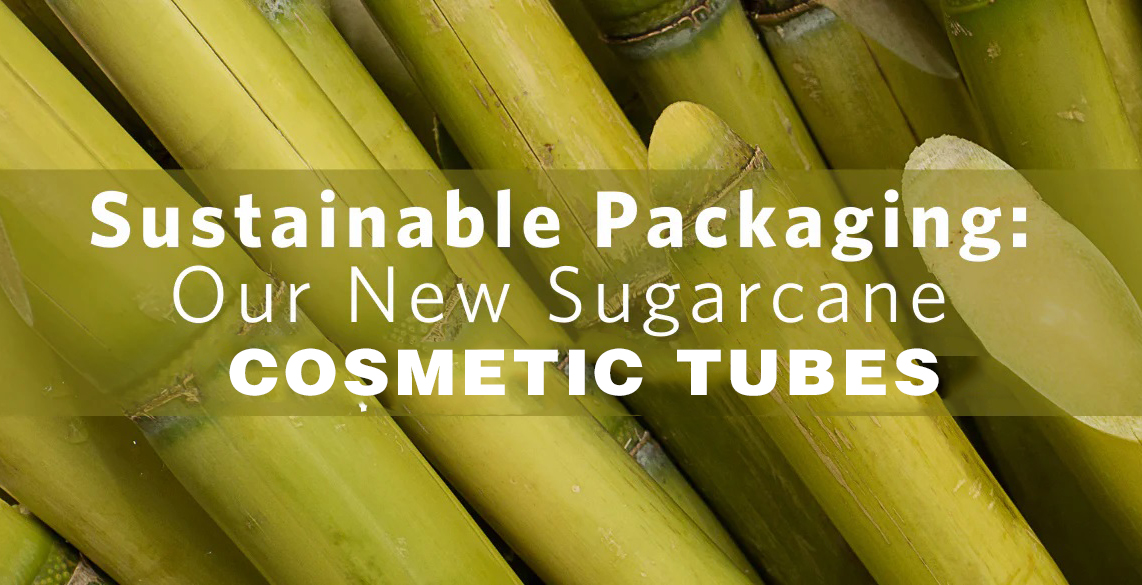
PCR plastic tubes
Our offer includes sustainable tube packaging manufactured from materials obtained by recycling plastic waste from individual households in the China. Xinfly Packaging cares deeply about the environment, which is why we wanted to include PCR plastic tubes in our collection of products. We are going to make sure our tubes meet all your expectations.
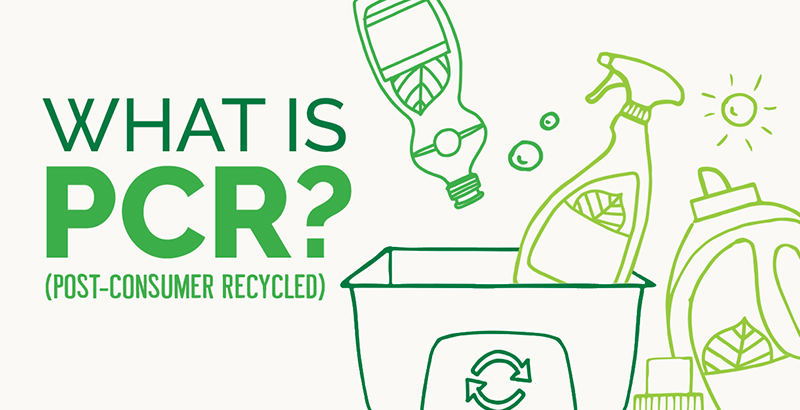
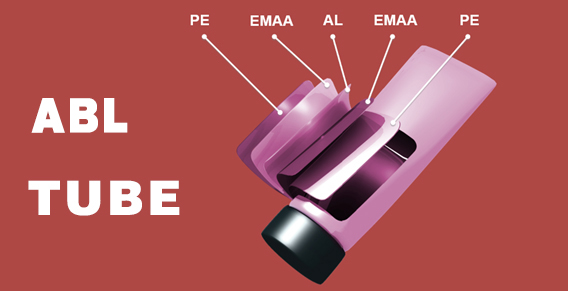
ABL Tube
The ABL (Aluminium Barrier Laminate) tube consists of multiple PE layers, in which an aluminum barrier is embedded (aluminum barrier laminate).
PBL Tube
The PBL (Plastic Barrier Laminate) tube is a laminate tube without aluminum and is completely produced from plastic (plastic barrier laminate)
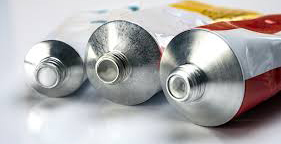
Aluminum Tube
Made of high-purity aluminum, environmentally friendly, recyclable, sturdy, and durable.
Why choose us?
Jiangsu Xinfly Packaging Co.Ltd

Certification
The company's production facilities have achieved ISO-9001:2008 and ISO 1400 certified quality awards. All certified

Logistics Services
The company maintains long-term cooperation with logistics companies such as DHL, Debon, UPS and SF Express, with a fast, convenient and high-quality logistics service system, so that customers can rest assured

Professional Service
The company has a professional sales and technical support team to understand and communicate with customers about the application of products at any time, and provide one-to-one efficient and professional services

Quality Assurance
The company's products all implement STD and EIA standards, fully automated production, so that all parameters of each product are 100% tested more than 5 times to ensure 100% product quality

Timely Delivery
The company has accurate expected stocking and maintains a stable safety stock to meet customers' urgent needs and bulk purchasing needs. We produce 200,000 tubes per day.

3rd Party Inspection
The company's products are sampled every year and sent to third-party inspections (such as SGS and UL), in line with UL, RoHs, REACH and environmental protection requirements of various countries
Design your own tube!
JEFF SHAO
CEO
Founder of Jiangsu Xinly Packaging Co., Ltd. 15 years of experience in cosmetic tube production, sales and design.

MARK XUE
SALES DIRECTOR
Engaged in cosmetic tube sales for 11 years.
Make cosmetic tube solution for many brands.

VIKKI LEE
DESIGNER DIRECTOR
7 years of cosmetic packaging design experience, handling more than 1,000 cosmetic tube designs every year. Has rich design experience.

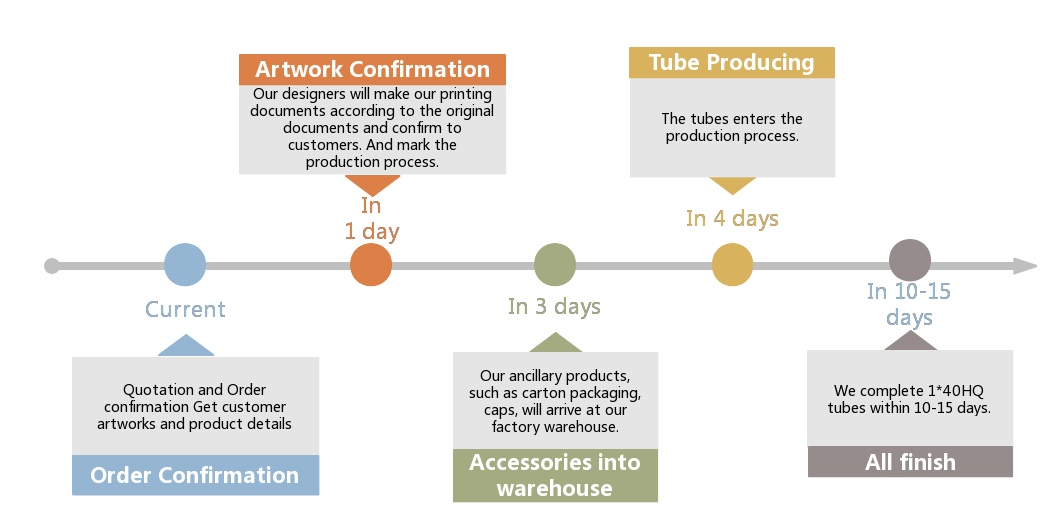
Just-in-Time Production
-
22 2020 / 06
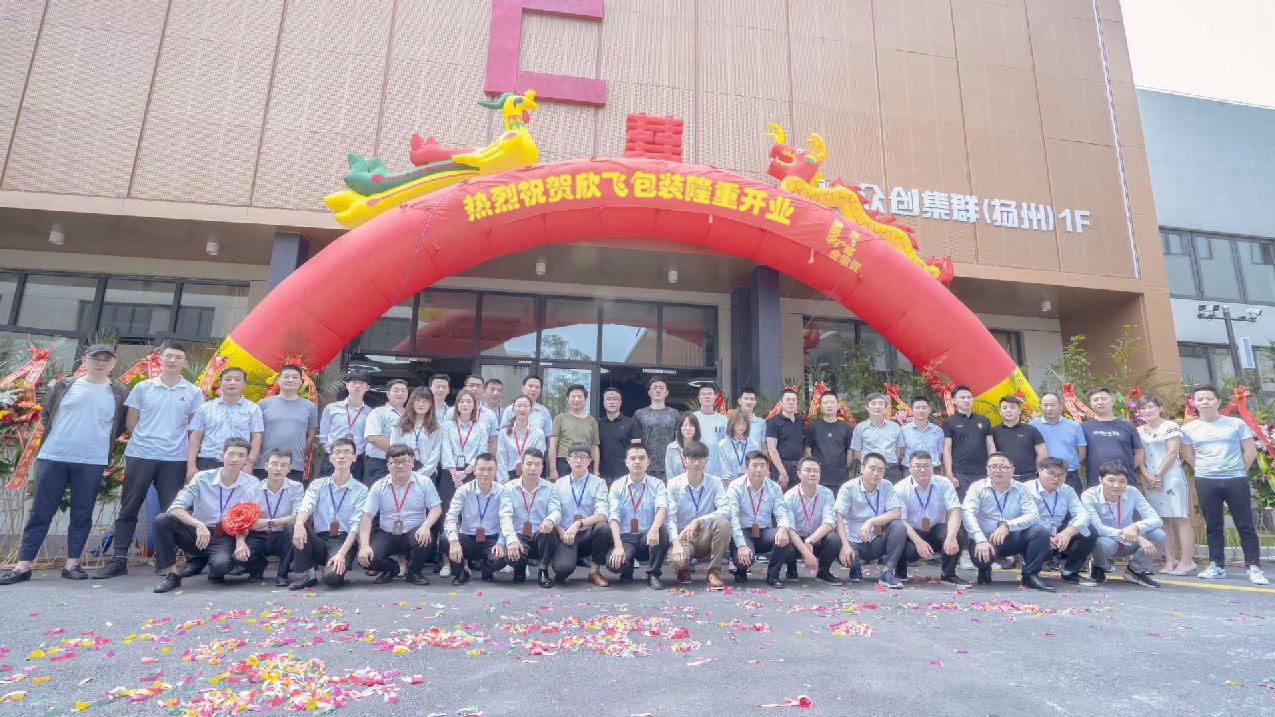
top Reco Jiangsu Xinfly Packaging Co., Ltd. was established

With the expansion of the company's business, Jiangsu Xinfly Packaging Co., Ltd.
-
16 2019 / 09
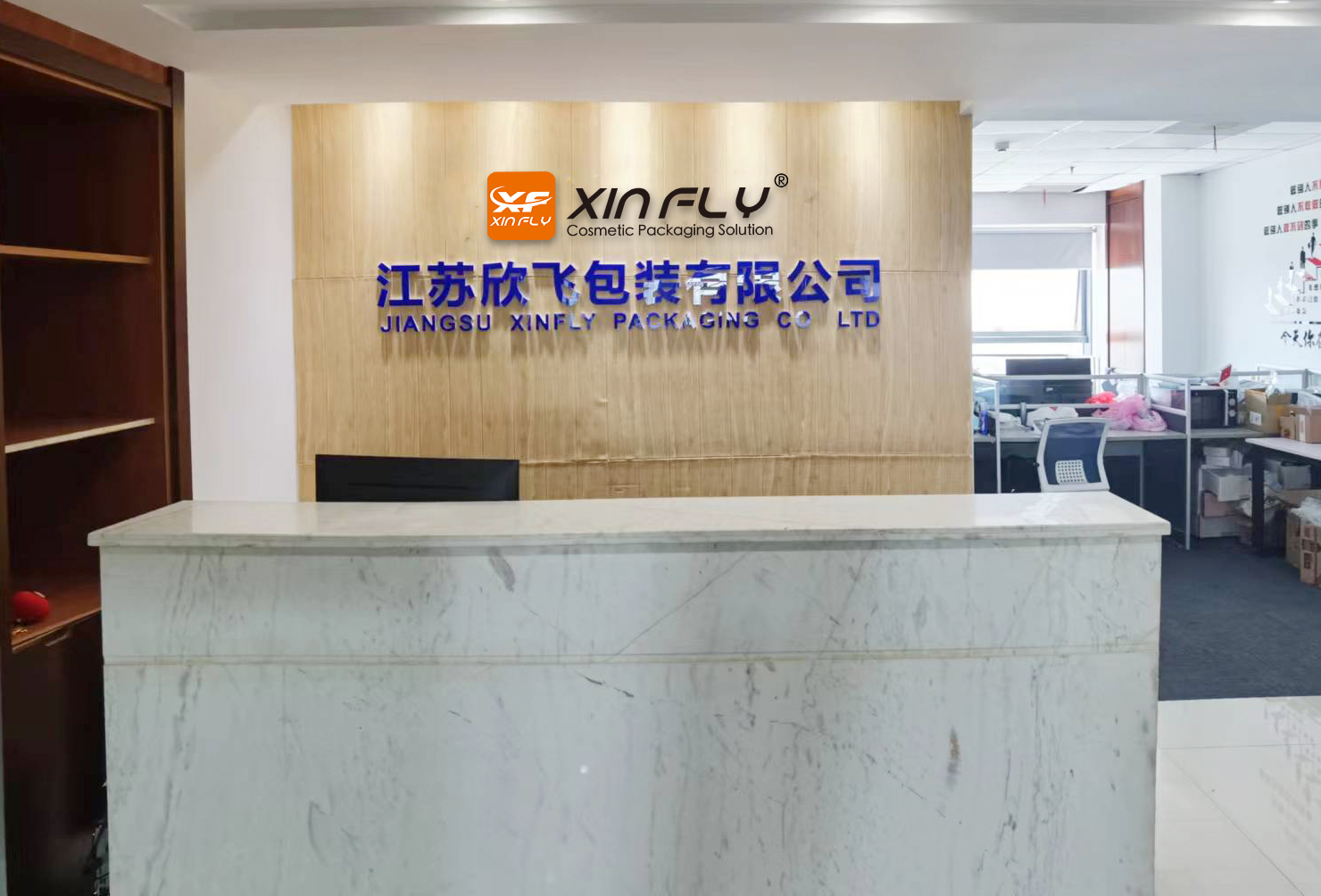
top Reco Jiangsu Xinfly Packaging Co., Ltd. Yangzhou Sales Department was established
Jiangsu Xinfly Packaging Co., Ltd. Yangzhou Sales Department was established. With the expansion of the company's business, Jiangsu Xinfly Packaging Co., Ltd. set up a sales office in Yangzhou in orde
-
22 2019 / 06
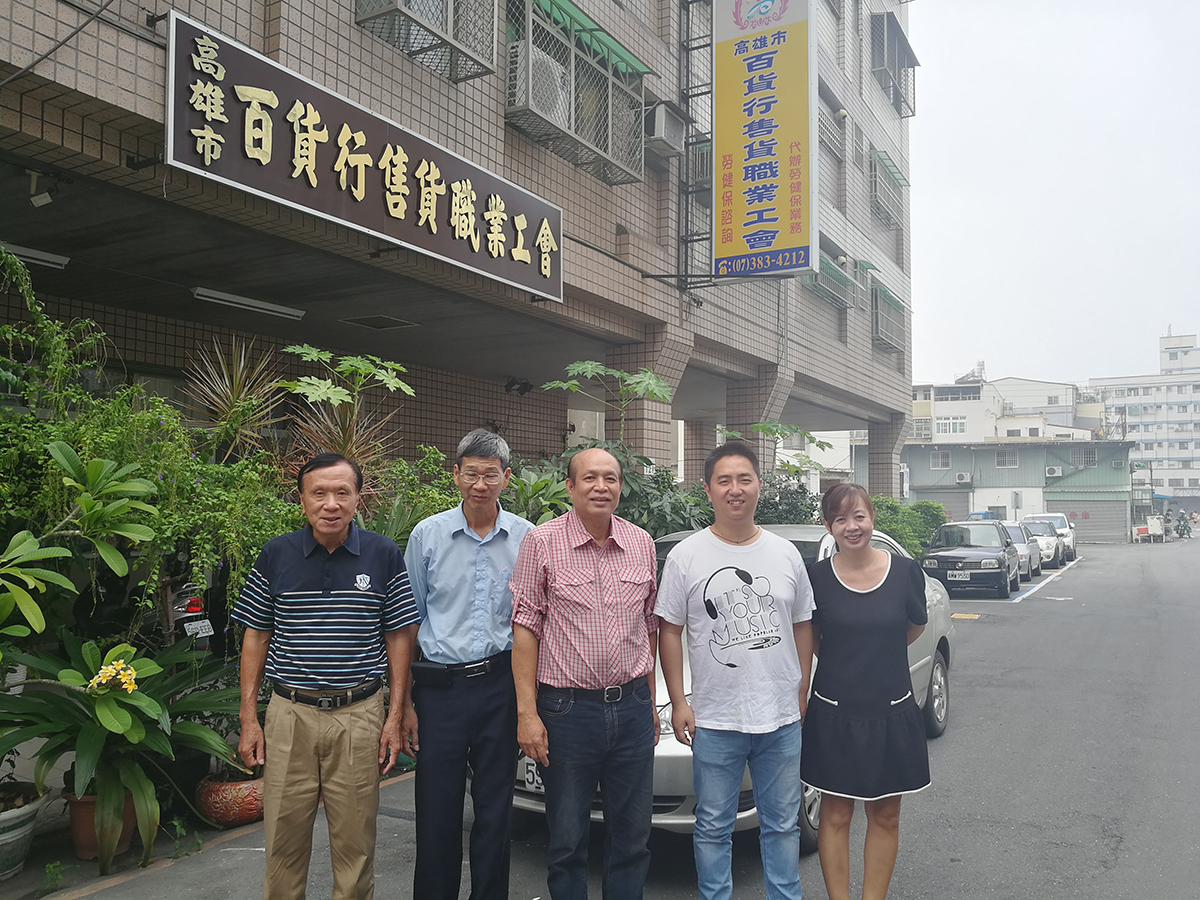
top Reco Taiwan Office (Taiwan Bintai Enterprise)
Xinfly Packaging signed a strategic cooperation agreement with Taiwan Bintai Ent

Create Cosmetic Brands
Xinfly Packaging is with you...
Contact US for Free Consultation and Samples
Ps. Normally we will reply all your inquiries/replies within 24 hours!


copyright © 2015-2025 Jiangsu Xinfly Packaging Co.,Ltd sitemap cosmetic tube packaging cosmetic tube cosmetic tube manufacturer

