
PCR Cosmetic Tubes Sustainability Guide: Revolutionizing Eco-Friendly Packaging
Time: 2025-11-29 12:22:45
Author: Jiangsu Xinfly Packaging Co.,Ltd
Click:
The Growing Demand for Sustainable Packaging SolutionsIn today's environmentally
The Growing Demand for Sustainable Packaging Solutions
In today's environmentally conscious marketplace, consumers are increasingly seeking out brands that demonstrate genuine commitment to sustainability. This shift in consumer behavior has prompted the beauty and personal care industry to reevaluate its packaging choices, with **PCR Cosmetic Tubes** emerging as a frontrunner in the sustainable packaging revolution.
Post-consumer recycled (PCR) materials represent a significant step forward in reducing the environmental impact of cosmetic packaging. By utilizing materials that have already served their purpose in consumer hands, PCR Cosmetic Tubes help close the recycling loop while maintaining the quality and functionality expected by both brands and consumers.
This comprehensive guide will walk you through everything you need to know about PCR Cosmetic Tubes – from understanding what they are and how they're made, to exploring their environmental benefits, addressing common misconceptions, and learning how to successfully implement them in your product lineup. We'll also highlight how **Xinfly Packaging**, a leader in innovative and sustainable packaging solutions, can help your brand transition to PCR tubes while maintaining premium quality and brand appeal.
Understanding PCR Cosmetic Tubes: Definition and Production Process
What Exactly Are PCR Cosmetic Tubes?
PCR Cosmetic Tubes are packaging tubes manufactured using post-consumer recycled materials. Unlike traditional virgin plastic tubes made from new petroleum-based materials, PCR tubes incorporate recycled plastics that have been used and disposed of by consumers – think plastic bottles, containers, and packaging that would otherwise end up in landfills or oceans.
The production process involves collecting these post-consumer materials, processing them to remove impurities, and then transforming them into the high-quality plastic needed for manufacturing cosmetic tubes. The result is packaging that maintains the functionality and aesthetic appeal of conventional tubes while significantly reducing environmental impact.
It's important to distinguish PCR materials from post-industrial recycled (PIR) materials, which consist of industrial scrap and byproducts from manufacturing processes. While PIR materials are also recycled and environmentally beneficial, PCR materials specifically represent the recycling of consumer products, making them particularly valuable for closing the recycling loop.
The PCR Tube Production Journey
The creation of PCR Cosmetic Tubes is a fascinating multi-stage process that transforms discarded plastic into premium packaging:
**Collection and Sorting**: The journey begins with the collection of post-consumer plastic waste through recycling programs and drop-off centers. These materials are then sorted by type, color, and quality to ensure compatibility with cosmetic tube production.
**Cleaning and Processing**: Sorted plastics undergo thorough cleaning to remove contaminants like food residue, labels, and adhesives. The cleaned materials are then processed into small flakes or pellets, ready for reprocessing.
**Reprocessing and Purification**: The plastic flakes are melted, filtered to remove remaining impurities, and extruded into high-quality PCR resin. This purification process is crucial for ensuring the recycled material meets the stringent safety and quality requirements for cosmetic packaging.
**Manufacturing**: Finally, the PCR resin is used to manufacture cosmetic tubes using specialized extrusion and molding equipment. The resulting tubes undergo rigorous quality control to ensure they perform as well as or better than virgin plastic tubes.
Throughout this process, **Xinfly Packaging** maintains exceptional quality standards, ensuring that every PCR Cosmetic Tube not only meets environmental goals but also delivers the performance, aesthetics, and user experience expected by premium cosmetic brands.
Environmental Benefits of PCR Cosmetic Tubes
Reducing Plastic Waste and Ocean Pollution
One of the most significant advantages of PCR Cosmetic Tubes is their contribution to reducing plastic waste. By utilizing recycled materials, these tubes help divert plastic from landfills and prevent it from polluting our oceans and natural environments.
According to environmental research, the production of PCR plastic can reduce greenhouse gas emissions by up to 67% compared to virgin plastic production. This substantial reduction makes PCR materials an essential component of any brand's sustainability strategy.
**Xinfly Packaging** sources high-quality PCR materials that maximize these environmental benefits while ensuring the final product meets all safety and performance standards for cosmetic packaging. This commitment to both sustainability and quality sets them apart as a leader in PCR tube manufacturing.
Conserving Natural Resources and Energy
The production of virgin plastic requires significant amounts of petroleum and natural gas – finite resources that contribute to environmental degradation when extracted and processed. By contrast, PCR Cosmetic Tubes reduce the demand for these raw materials, helping to conserve precious natural resources.
Additionally, manufacturing from recycled materials typically consumes less energy than producing virgin plastic. Studies indicate that creating products from recycled materials can use up to 88% less energy than manufacturing from virgin resources. This energy conservation translates to further reduction in greenhouse gas emissions and environmental impact.
When brands choose **PCR Cosmetic Tubes** from suppliers like Xinfly Packaging, they're not just making a packaging decision – they're actively participating in resource conservation and energy reduction initiatives that benefit our planet.
Closing the Recycling Loop
Perhaps the most compelling environmental benefit of PCR materials is their role in closing the recycling loop. When consumers recycle their plastic containers, those materials can be transformed into new PCR Cosmetic Tubes, creating a circular system where materials are reused rather than discarded.
This circular approach to packaging represents a fundamental shift away from the traditional 'take-make-dispose' linear economy. By incorporating PCR tubes into their product lines, cosmetic brands help create market demand for recycled materials, encouraging more robust recycling programs and infrastructure development.
**Xinfly Packaging** is committed to advancing this circular economy model. By producing high-quality PCR Cosmetic Tubes, they help brands participate in this crucial environmental initiative while maintaining the premium quality expected in the cosmetic industry.
Addressing Common Concerns About PCR Cosmetic Tubes
Quality and Performance Concerns
A common misconception about PCR materials is that they compromise on quality or performance. In reality, modern recycling and manufacturing technologies have enabled the production of PCR Cosmetic Tubes that meet or exceed the standards of virgin plastic tubes.
High-quality PCR materials undergo extensive purification processes to remove any potential contaminants or impurities. The resulting resin is carefully engineered to provide the same strength, durability, and barrier properties as virgin plastic tubes.
**Xinfly Packaging** employs rigorous quality control measures throughout the production of PCR tubes, ensuring they maintain consistent wall thickness, proper sealing, and optimal dispensing characteristics. This commitment to quality means brands can confidently transition to PCR tubes without worrying about compromised product performance or shelf appeal.
Aesthetic Considerations: Color and Transparency
Another concern often raised is the potential aesthetic limitations of PCR materials. Post-consumer recycled plastics can sometimes have slight color variations or reduced transparency compared to virgin materials. However, these limitations are increasingly being addressed through advanced processing techniques.
PCR Cosmetic Tubes are now available in a wide range of colors and levels of transparency, with many options closely matching the appearance of traditional tubes. For brands requiring specific color matches or transparent tubes, suppliers like **Xinfly Packaging** can work with specialized PCR resins that meet these exacting requirements.
In some cases, the unique characteristics of PCR materials can even be leveraged for aesthetic appeal. The subtle color variations and slight flecks sometimes found in PCR plastics can create distinctive, premium-looking packaging that tells a story of sustainability and environmental responsibility.
Safety and Regulatory Compliance
Ensuring the safety of cosmetic packaging is paramount, and some brands question whether PCR materials meet the same regulatory standards as virgin plastics. Reputable PCR Cosmetic Tube suppliers adhere to stringent safety regulations and testing protocols to ensure their products are safe for cosmetic applications.
**Xinfly Packaging** sources PCR materials that comply with all relevant cosmetic packaging regulations, including those set by the FDA, EU Cosmetics Regulation, and other international bodies. Their PCR tubes undergo thorough testing for migration, stability, and safety to ensure they don't compromise product integrity or consumer safety.
By working with experienced suppliers who understand the specific requirements of cosmetic packaging, brands can confidently incorporate PCR tubes into their product lines without concerns about regulatory compliance or product safety.
Implementing PCR Cosmetic Tubes in Your Brand's Strategy
Assessing Your Current Packaging Impact
The first step in transitioning to PCR Cosmetic Tubes is conducting a thorough assessment of your current packaging's environmental impact. This evaluation should consider factors like material composition, recyclability, carbon footprint, and end-of-life options.
Many brands discover that traditional plastic tubes represent a significant portion of their overall environmental impact. By identifying these hotspots, companies can prioritize PCR tube implementation where it will have the greatest positive effect.
**Xinfly Packaging** can assist brands in this assessment process by providing detailed information about PCR materials, their environmental benefits, and how they compare to conventional packaging options. This data-driven approach helps brands make informed decisions about their sustainability journey.
Communicating Your Sustainability Commitments
Once you've decided to incorporate PCR Cosmetic Tubes, effectively communicating this commitment to consumers is crucial. Modern consumers value transparency and want to understand the steps brands are taking to reduce their environmental impact.
Consider including clear labeling on your PCR tubes indicating the percentage of recycled content. This not informs consumers but also helps build trust and demonstrates your brand's genuine commitment to sustainability.
Storytelling is another powerful tool. Share the journey of your PCR tubes – from collection of post-consumer materials to the final product – through social media, packaging inserts, or your website. **Xinfly Packaging** can provide educational materials and support to help brands effectively communicate their PCR tube story.
Balancing PCR Tubes with Other Sustainability Initiatives
While PCR Cosmetic Tubes represent a significant step toward sustainability, they work best as part of a comprehensive packaging strategy. Consider complementing PCR tubes with other initiatives like:
- **Reducing packaging size and weight** to minimize material use and transportation emissions
- **Implementing refill or reuse programs** for your PCR tubes
- **Using biodegradable or compostable components** where appropriate
- **Optimizing shipping and logistics** to reduce carbon footprint
**Xinfly Packaging** takes a holistic approach to sustainable packaging, helping brands develop comprehensive strategies that address multiple environmental concerns while maintaining product quality and brand appeal.
The Future of PCR Cosmetic Tubes: Trends and Innovations
Increasing PCR Content and Pure PCR Solutions
As recycling technologies advance, we're seeing a trend toward higher PCR content in cosmetic packaging. While many PCR tubes currently contain a blend of recycled and virgin materials, the industry is moving toward solutions with 100% PCR content or 'pure PCR' options.
These innovations are addressing previous limitations in color, clarity, and performance, making high-percentage PCR tubes viable for an expanding range of applications. Brands that embrace these advanced PCR solutions can lead the industry in sustainability while maintaining premium quality standards.
**Xinfly Packaging** is at the forefront of these developments, investing in research and partnerships with material scientists to push the boundaries of what's possible with PCR Cosmetic Tubes. Their commitment to innovation ensures brands have access to the most advanced sustainable packaging options.
Improved Recycling Infrastructure and Systems
The growing adoption of PCR Cosmetic Tubes is driving investment in recycling infrastructure and systems worldwide. As more brands incorporate recycled materials into their packaging, demand for effective collection and processing systems increases.
This positive feedback loop is helping create more robust recycling programs in communities across the globe, making it easier for consumers to participate in the circular economy through proper disposal and recycling of cosmetic packaging.
Brands that choose PCR tubes today are not only reducing their environmental impact but also contributing to the development of these critical recycling systems. As infrastructure improves, the environmental benefits of PCR materials will continue to grow.
Standardization and Certification for PCR Materials
As the PCR materials market matures, we're seeing increased standardization and certification efforts. These developments help ensure consistent quality and environmental claims across different suppliers and applications.
Certifications like the Global Recycled Standard (GRS) provide third-party verification of PCR content, traceability, and responsible manufacturing practices. Working with certified suppliers like **Xinfly Packaging** gives brands confidence in the quality and environmental credentials of their PCR Cosmetic Tubes.
These standardization efforts are also helping address consumer skepticism about recycled content claims. When brands can back up their sustainability assertions with independent verification, trust and credibility increase, potentially strengthening brand loyalty among environmentally conscious consumers.
Xinfly Packaging: Your Partner in PCR Tube Solutions
Commitment to Quality and Sustainability
**Xinfly Packaging** has established itself as a leader in sustainable cosmetic packaging, with particular expertise in PCR Cosmetic Tubes. The company's dual commitment to exceptional quality and genuine sustainability sets them apart in the industry.
Xinfly understands that sustainable packaging shouldn't compromise on performance, aesthetics, or brand appeal. Their PCR tubes undergo the same rigorous quality control processes as conventional packaging, ensuring brands receive products that meet the highest standards for functionality and visual appeal.
At the same time, Xinfly is deeply committed to environmental responsibility, continuously seeking ways to increase PCR content, improve recyclability, and reduce the overall environmental impact of their packaging solutions. This balanced approach makes them an ideal partner for brands serious about sustainability.
Custom PCR Tube Solutions for Every Brand
One of Xinfly Packaging's greatest strengths is their ability to create custom PCR Cosmetic Tubes tailored to each brand's specific needs. Whether you require particular colors, shapes, sizes, or dispensing mechanisms, Xinfly can develop PCR solutions that align with your brand identity and product requirements.
Their design and engineering teams work collaboratively with clients to overcome any limitations of PCR materials, developing innovative solutions that maximize both sustainability and aesthetic appeal. From matte finishes to specialized printing techniques, Xinfly offers endless possibilities for creating distinctive PCR tube packaging.
The company also provides guidance on PCR content percentages, helping brands find the optimal balance between sustainability goals and performance requirements. This expertise ensures that every PCR tube solution delivers maximum environmental benefit without compromising product integrity.
End-to-End Support for PCR Tube Implementation
Transitioning to PCR Cosmetic Tubes involves more than just selecting a new packaging material – it requires careful planning, implementation, and communication. **Xinfly Packaging** provides comprehensive support throughout this journey:
- **Material selection assistance**: Helping brands choose the right PCR materials for their specific applications
- **Custom design and prototyping**: Creating PCR tube samples that match brand aesthetics and functional requirements
- **Quality assurance and testing**: Ensuring PCR tubes meet all safety, performance, and regulatory standards
- **Sustainability documentation**: Providing the information and certifications needed to communicate PCR content to consumers
- **Ongoing innovation support**: Helping brands stay at the forefront of PCR packaging developments
This end-to-end support makes the transition to PCR tubes smooth and efficient, allowing brands to quickly realize the sustainability and marketability benefits of PCR Cosmetic Tubes.
Measuring the Impact: Calculating Your PCR Tube Benefits
Quantifying Environmental Improvements
When implementing PCR Cosmetic Tubes, it's valuable to quantify the environmental improvements to both track progress and communicate impact to stakeholders. Several metrics can help measure these benefits:
- **Percentage of PCR content**: The proportion of recycled material in each tube
- **Plastic waste diverted**: The amount of post-consumer plastic waste kept out of landfills
- **Reduction in carbon footprint**: The decrease in greenhouse gas emissions compared to virgin plastic
- **Energy savings**: The reduction in energy consumption associated with PCR production
- **Water usage reduction**: The decrease in water consumption compared to virgin material production
**Xinfly Packaging** can help brands calculate these metrics using life cycle assessment data specific to their PCR tube solutions. This data-driven approach provides concrete evidence of environmental impact, supporting both internal sustainability reporting and external marketing claims.
Consumer Response and Market Differentiation
Beyond environmental metrics, it's important to measure how consumers respond to your PCR tube initiatives. Many brands find that sustainable packaging generates positive consumer feedback, increased brand loyalty, and even premium pricing opportunities.
Monitor customer reactions through surveys, reviews, and social media engagement. Track metrics like sales velocity, return rates, and social sharing to understand how PCR tubes affect consumer behavior and brand perception.
Brands that effectively communicate their PCR tube initiatives often experience enhanced brand differentiation in crowded marketplaces. The sustainability story can become a key differentiator that resonates particularly well with environmentally conscious consumers, potentially expanding market reach.
Long-Term Sustainability Strategy Integration
As part of measuring impact, consider how PCR Cosmetic Tubes fit into your broader long-term sustainability strategy. Set targets for increasing PCR content across your product line, explore complementary sustainability initiatives, and establish KPIs to track progress over time.
Regularly review and update your sustainability goals based on technological advancements, consumer feedback, and regulatory developments. This strategic approach ensures your PCR tube implementation remains aligned with evolving best practices and stakeholder expectations.
**Xinfly Packaging** can serve as a long-term sustainability partner, helping brands stay informed about emerging PCR technologies and industry trends that may enhance their sustainability initiatives.
Overcoming Challenges in Adopting PCR Cosmetic Tubes
Addressing Supply Chain and Availability Concerns
One common challenge in adopting PCR Cosmetic Tubes is ensuring reliable supply chain and material availability. As demand for sustainable packaging grows, some brands experience constraints in accessing sufficient PCR materials.
To address this concern, it's important to work with established suppliers like **Xinfly Packaging** who have strong relationships with PCR material suppliers and transparent supply chain systems. These partnerships can help secure reliable material flows even during periods of high demand.
Additionally, brands can benefit from early planning and communication with packaging suppliers well before product launches. This advance notice allows suppliers to secure PCR materials and production capacity, ensuring timely delivery of PCR tubes.
Managing Costs and Budget Considerations
While the cost of PCR Cosmetic Tubes has decreased significantly in recent years, they may still carry a slight premium compared to virgin plastic options. For brands operating on tight margins, this cost difference can be a consideration.
However, it's important to consider the total cost of ownership, not just the per-unit price. PCR tubes can generate long-term value through enhanced brand perception, consumer loyalty, and potential marketing advantages. Additionally, as PCR adoption increases and technologies advance, the cost differential continues to narrow.
**Xinfly Packaging** works with brands to find the optimal balance between sustainability goals and budget constraints. They offer various PCR content levels and can guide brands on implementing PCR tubes strategically across product lines to maximize impact while managing costs effectively.
Educating Stakeholders and Aligning Teams
Internal alignment and education are crucial for successful PCR tube implementation. Sales teams, marketing departments, and packaging professionals all need to understand the benefits and features of PCR packaging to effectively communicate with consumers and stakeholders.
Consider developing comprehensive training materials and creating clear guidelines for PCR tube communication across all touchpoints. This internal education ensures consistent messaging and helps teams feel confident discussing your sustainability initiatives.
**Xinfly Packaging** supports this educational process by providing detailed information about PCR materials, their environmental benefits, and proper communication strategies. Their expertise helps brands build internal knowledge and alignment around PCR Cosmetic Tubes.
Case Studies: Brands Successfully Implementing PCR Cosmetic Tubes
Premium Skincare Brand's PCR Tube Transformation
A luxury skincare brand sought to enhance its sustainability credentials while maintaining premium positioning. After evaluating various options, they partnered with **Xinfly Packaging** to develop custom PCR Cosmetic Tubes with 95% recycled content.
The collaboration began with extensive material testing to ensure the PCR tubes met the brand's exacting standards for performance, appearance, and product protection. Xinfly's design team created elegant matte-finish tubes with specialized printing techniques that enhanced the premium feel.
The result was a packaging solution that exceeded expectations – visually indistinguishable from the brand's previous virgin plastic tubes while significantly reducing environmental impact. The brand launched their PCR tube initiative with comprehensive consumer education, resulting in overwhelmingly positive feedback and increased sales.
This case demonstrates that PCR Cosmetic Tubes can successfully deliver both sustainability and premium aesthetics when properly developed and communicated.
Eco-Conscious Makeup Brand's PCR Tube Journey
A direct-to-consumer makeup brand built its identity around environmental responsibility. From inception, they committed to using PCR Cosmetic Tubes across their entire product line to align with their brand values and appeal to their target audience.
Working with **Xinfly Packaging**, the brand developed a distinctive tube design featuring vibrant colors and bold graphics that highlighted their PCR content. The tubes included clear labeling indicating the percentage of recycled materials and instructions for proper recycling.
The brand's transparent approach to sustainability resonated strongly with consumers, leading to high engagement on social media platforms and increased brand loyalty. Many customers specifically cited the PCR tubes as a factor in their purchasing decision, demonstrating the market appeal of genuinely sustainable packaging.
This case illustrates how PCR Cosmetic Tubes can become a core component of brand identity and a key differentiator in competitive beauty markets.
Established Brand's PCR Tube Transition Strategy
A well-established cosmetic brand with decades of market presence recognized the need to evolve with changing consumer expectations around sustainability. Rather than an abrupt change, they developed a strategic transition to PCR Cosmetic Tubes across their product portfolio.
The brand worked with **Xinfly Packaging** to implement a phased approach, starting with their best-selling product lines and gradually expanding PCR tube implementation. This strategy allowed them to optimize processes, gather consumer feedback, and demonstrate genuine commitment to sustainability.
Throughout the transition, the brand maintained consistent quality and brand recognition while progressively increasing their PCR content. They communicated each milestone of their journey, building consumer trust and demonstrating leadership in sustainable packaging.
This case shows how established brands can successfully navigate the transition to PCR Cosmetic Tubes through careful planning and strategic implementation.
Best Practices for Working with PCR Cosmetic Tube Suppliers
Establishing Clear Specifications and Requirements
When partnering with suppliers for PCR Cosmetic Tubes, establishing clear specifications and requirements is essential. This includes defining PCR content percentages, color requirements, performance expectations, and regulatory compliance standards.
Be specific about your needs regarding tube dimensions, dispensing mechanisms, printing requirements, and any special features. The more detailed your specifications, the better your supplier can deliver a PCR tube solution that meets your exact requirements.
**Xinfly Packaging** works collaboratively with clients to develop comprehensive specifications that address both functional and aesthetic requirements while maximizing sustainability benefits. Their expertise helps brands avoid common pitfalls and ensure successful PCR tube implementation.
Prioritizing Quality Control and Testing
Quality control is particularly important when working with PCR materials, as variations in recycled content can sometimes affect performance. Establish clear quality control protocols with your supplier, including testing requirements for barrier properties, seal integrity, and print quality.
Request samples for testing with your actual product formulation to ensure compatibility and performance. This real-world testing is crucial for identifying any potential issues before full-scale production begins.
**Xinfly Packaging** maintains rigorous quality control processes throughout PCR tube production, with multiple inspection points and comprehensive testing protocols. Their commitment to quality ensures that PCR Cosmetic Tubes perform reliably and consistently.
Building Strong Supplier Partnerships
Successful PCR tube implementation often depends on strong supplier partnerships. Look for suppliers who demonstrate genuine expertise in PCR materials, have proven track records of quality, and are committed to sustainability.
Building a collaborative relationship allows for open communication about challenges, innovation opportunities, and continuous improvement. This partnership approach is particularly valuable when working with newer technologies like PCR materials.
**Xinfly Packaging** focuses on building long-term relationships with clients, offering ongoing support and innovation in PCR Cosmetic Tubes. Their partnership approach helps brands navigate the evolving landscape of sustainable packaging while maintaining quality and performance.
Conclusion: Embracing PCR Cosmetic Tubes for a Sustainable Future
The beauty and personal care industry stands at a pivotal moment in its relationship with packaging. As consumer expectations evolve and environmental concerns become increasingly urgent, **PCR Cosmetic Tubes** represent a practical, effective solution for brands seeking to reduce their environmental impact without compromising quality or appeal.
Throughout this guide, we've explored the numerous benefits of PCR tubes – from their significant environmental advantages to their quality performance and aesthetic possibilities. We've addressed common concerns and provided practical guidance for successful implementation, highlighting how **Xinfly Packaging** can serve as a knowledgeable partner in this sustainability journey.
The transition to PCR Cosmetic Tubes is more than just a packaging decision; it's a statement about your brand's values and commitment to a more sustainable future. By embracing PCR materials, brands can participate in the circular economy, reduce plastic waste, and meet the growing consumer demand for environmentally responsible products.
As we look to the future, PCR Cosmetic Tubes will continue to evolve, with increasing PCR content, improved performance, and greater design possibilities. Brands that begin this journey now will not only reduce their current environmental impact but also position themselves for long-term success in an increasingly sustainability-focused marketplace.
The time to act is now – for your brand, for your consumers, and for our planet.
Frequently Asked Questions
1. **What percentage of recycled content do PCR Cosmetic Tubes typically contain?**
PCR Cosmetic Tubes can contain varying percentages of recycled content, typically ranging from 30% to 100%. Many brands start with PCR tubes containing around 30-50% recycled content, while some advanced solutions now offer tubes with 95% or even 100% PCR content. The optimal percentage depends on your product requirements, sustainability goals, and availability of suitable PCR materials.
2. **Do PCR Cosmetic tubes compromise on quality compared to traditional tubes?**
Not at all. Modern PCR Cosmetic Tubes are engineered to meet or exceed the quality standards of virgin plastic tubes. Reputable suppliers like **Xinfly Packaging** implement rigorous quality control processes throughout production, ensuring PCR tubes maintain proper barrier properties, sealing characteristics, and visual appeal. In many cases, PCR tubes perform identically to traditional tubes in all functional aspects.
3. **Are PCR Cosmetic tubes recyclable in standard recycling streams?**
Yes, PCR Cosmetic Tubes are generally recyclable in standard plastic recycling streams, though recycling capabilities vary by location. The presence of recycled content doesn't affect recyclability – in fact, using PCR materials helps create demand for recycled content in recycling streams. Some PCR tubes may include special components like pumps or caps that need separate recycling, so it's important to check local guidelines.
4. **How can I effectively communicate the PCR content of my tubes to consumers?**
Effective communication of PCR content involves clear labeling on the packaging itself, as well as educational materials and storytelling across various channels. Consider including the PCR percentage on the tube, using symbols or graphics that indicate recycled content, and providing information about the environmental benefits through inserts, websites, or social media. **Xinfly Packaging** can support these communication efforts with educational materials and design guidance.
5. **What should I look for in a supplier for PCR Cosmetic Tubes?**
When selecting a PCR tube supplier, look for expertise in both PCR materials and cosmetic packaging requirements. Important factors include: proven quality control processes, ability to meet your specific design and performance requirements, transparency in supply chain and material sourcing, commitment to sustainability beyond just PCR content, and strong communication and support throughout the production process. **Xinfly Packaging** exemplifies these qualities, with deep expertise in creating high-quality PCR Cosmetic Tubes that meet both environmental and performance standards.
**Tags**: PCR Cosmetic Tubes, sustainable packaging, eco-friendly beauty, recycled plastic tubes, Xinfly Packaging, cosmetic sustainability, plastic recycling, green beauty packaging, circular economy, sustainable beauty industry, post-consumer recycled materials, environmentally conscious packaging, eco cosmetic containers, sustainable tube solutions, recyclable packaging, eco-friendly tubes, sustainable beauty products, PCR materials, green packaging initiatives, environmental responsibility

点击右上角
分享给朋友吧







 Long by picture save/share
0
Prev : Lip Gloss Tube: The Essential Guide to Choosing the Best Packaging for Your Beauty Brand
Next : ABL Tubes: The Ultimate Guide to Aluminum Barrier Laminate Packaging (2025 Edition)
文章推荐
How to Choose the Right Cosmetic Tube Supplier for Your Brand
How to Choose the Right Cosmetic Tube Manufacturer for Your Brand in 2025
Jiangsu Xinfly Packaging Co., Ltd. was established
Jiangsu Xinfly Packaging Co., Ltd. Yangzhou Sales Department was established
Taiwan Office (Taiwan Bintai Enterprise)
PCR Cosmetic Tubes Sustainability Guide: Revolutionizing Eco-Friendly Packaging
Time: 2025-11-29 12:22:45
Author: Jiangsu Xinfly Packaging Co.,Ltd
Click:
The Growing Demand for Sustainable Packaging SolutionsIn today's environmentally
The Growing Demand for Sustainable Packaging Solutions
In today's environmentally conscious marketplace, consumers are increasingly seeking out brands that demonstrate genuine commitment to sustainability. This shift in consumer behavior has prompted the beauty and personal care industry to reevaluate its packaging choices, with **PCR Cosmetic Tubes** emerging as a frontrunner in the sustainable packaging revolution.
Post-consumer recycled (PCR) materials represent a significant step forward in reducing the environmental impact of cosmetic packaging. By utilizing materials that have already served their purpose in consumer hands, PCR Cosmetic Tubes help close the recycling loop while maintaining the quality and functionality expected by both brands and consumers.
This comprehensive guide will walk you through everything you need to know about PCR Cosmetic Tubes – from understanding what they are and how they're made, to exploring their environmental benefits, addressing common misconceptions, and learning how to successfully implement them in your product lineup. We'll also highlight how **Xinfly Packaging**, a leader in innovative and sustainable packaging solutions, can help your brand transition to PCR tubes while maintaining premium quality and brand appeal.
Understanding PCR Cosmetic Tubes: Definition and Production Process
What Exactly Are PCR Cosmetic Tubes?
PCR Cosmetic Tubes are packaging tubes manufactured using post-consumer recycled materials. Unlike traditional virgin plastic tubes made from new petroleum-based materials, PCR tubes incorporate recycled plastics that have been used and disposed of by consumers – think plastic bottles, containers, and packaging that would otherwise end up in landfills or oceans.
The production process involves collecting these post-consumer materials, processing them to remove impurities, and then transforming them into the high-quality plastic needed for manufacturing cosmetic tubes. The result is packaging that maintains the functionality and aesthetic appeal of conventional tubes while significantly reducing environmental impact.
It's important to distinguish PCR materials from post-industrial recycled (PIR) materials, which consist of industrial scrap and byproducts from manufacturing processes. While PIR materials are also recycled and environmentally beneficial, PCR materials specifically represent the recycling of consumer products, making them particularly valuable for closing the recycling loop.
The PCR Tube Production Journey
The creation of PCR Cosmetic Tubes is a fascinating multi-stage process that transforms discarded plastic into premium packaging:
**Collection and Sorting**: The journey begins with the collection of post-consumer plastic waste through recycling programs and drop-off centers. These materials are then sorted by type, color, and quality to ensure compatibility with cosmetic tube production.
**Cleaning and Processing**: Sorted plastics undergo thorough cleaning to remove contaminants like food residue, labels, and adhesives. The cleaned materials are then processed into small flakes or pellets, ready for reprocessing.
**Reprocessing and Purification**: The plastic flakes are melted, filtered to remove remaining impurities, and extruded into high-quality PCR resin. This purification process is crucial for ensuring the recycled material meets the stringent safety and quality requirements for cosmetic packaging.
**Manufacturing**: Finally, the PCR resin is used to manufacture cosmetic tubes using specialized extrusion and molding equipment. The resulting tubes undergo rigorous quality control to ensure they perform as well as or better than virgin plastic tubes.
Throughout this process, **Xinfly Packaging** maintains exceptional quality standards, ensuring that every PCR Cosmetic Tube not only meets environmental goals but also delivers the performance, aesthetics, and user experience expected by premium cosmetic brands.
Environmental Benefits of PCR Cosmetic Tubes
Reducing Plastic Waste and Ocean Pollution
One of the most significant advantages of PCR Cosmetic Tubes is their contribution to reducing plastic waste. By utilizing recycled materials, these tubes help divert plastic from landfills and prevent it from polluting our oceans and natural environments.
According to environmental research, the production of PCR plastic can reduce greenhouse gas emissions by up to 67% compared to virgin plastic production. This substantial reduction makes PCR materials an essential component of any brand's sustainability strategy.
**Xinfly Packaging** sources high-quality PCR materials that maximize these environmental benefits while ensuring the final product meets all safety and performance standards for cosmetic packaging. This commitment to both sustainability and quality sets them apart as a leader in PCR tube manufacturing.
Conserving Natural Resources and Energy
The production of virgin plastic requires significant amounts of petroleum and natural gas – finite resources that contribute to environmental degradation when extracted and processed. By contrast, PCR Cosmetic Tubes reduce the demand for these raw materials, helping to conserve precious natural resources.
Additionally, manufacturing from recycled materials typically consumes less energy than producing virgin plastic. Studies indicate that creating products from recycled materials can use up to 88% less energy than manufacturing from virgin resources. This energy conservation translates to further reduction in greenhouse gas emissions and environmental impact.
When brands choose **PCR Cosmetic Tubes** from suppliers like Xinfly Packaging, they're not just making a packaging decision – they're actively participating in resource conservation and energy reduction initiatives that benefit our planet.
Closing the Recycling Loop
Perhaps the most compelling environmental benefit of PCR materials is their role in closing the recycling loop. When consumers recycle their plastic containers, those materials can be transformed into new PCR Cosmetic Tubes, creating a circular system where materials are reused rather than discarded.
This circular approach to packaging represents a fundamental shift away from the traditional 'take-make-dispose' linear economy. By incorporating PCR tubes into their product lines, cosmetic brands help create market demand for recycled materials, encouraging more robust recycling programs and infrastructure development.
**Xinfly Packaging** is committed to advancing this circular economy model. By producing high-quality PCR Cosmetic Tubes, they help brands participate in this crucial environmental initiative while maintaining the premium quality expected in the cosmetic industry.
Addressing Common Concerns About PCR Cosmetic Tubes
Quality and Performance Concerns
A common misconception about PCR materials is that they compromise on quality or performance. In reality, modern recycling and manufacturing technologies have enabled the production of PCR Cosmetic Tubes that meet or exceed the standards of virgin plastic tubes.
High-quality PCR materials undergo extensive purification processes to remove any potential contaminants or impurities. The resulting resin is carefully engineered to provide the same strength, durability, and barrier properties as virgin plastic tubes.
**Xinfly Packaging** employs rigorous quality control measures throughout the production of PCR tubes, ensuring they maintain consistent wall thickness, proper sealing, and optimal dispensing characteristics. This commitment to quality means brands can confidently transition to PCR tubes without worrying about compromised product performance or shelf appeal.
Aesthetic Considerations: Color and Transparency
Another concern often raised is the potential aesthetic limitations of PCR materials. Post-consumer recycled plastics can sometimes have slight color variations or reduced transparency compared to virgin materials. However, these limitations are increasingly being addressed through advanced processing techniques.
PCR Cosmetic Tubes are now available in a wide range of colors and levels of transparency, with many options closely matching the appearance of traditional tubes. For brands requiring specific color matches or transparent tubes, suppliers like **Xinfly Packaging** can work with specialized PCR resins that meet these exacting requirements.
In some cases, the unique characteristics of PCR materials can even be leveraged for aesthetic appeal. The subtle color variations and slight flecks sometimes found in PCR plastics can create distinctive, premium-looking packaging that tells a story of sustainability and environmental responsibility.
Safety and Regulatory Compliance
Ensuring the safety of cosmetic packaging is paramount, and some brands question whether PCR materials meet the same regulatory standards as virgin plastics. Reputable PCR Cosmetic Tube suppliers adhere to stringent safety regulations and testing protocols to ensure their products are safe for cosmetic applications.
**Xinfly Packaging** sources PCR materials that comply with all relevant cosmetic packaging regulations, including those set by the FDA, EU Cosmetics Regulation, and other international bodies. Their PCR tubes undergo thorough testing for migration, stability, and safety to ensure they don't compromise product integrity or consumer safety.
By working with experienced suppliers who understand the specific requirements of cosmetic packaging, brands can confidently incorporate PCR tubes into their product lines without concerns about regulatory compliance or product safety.
Implementing PCR Cosmetic Tubes in Your Brand's Strategy
Assessing Your Current Packaging Impact
The first step in transitioning to PCR Cosmetic Tubes is conducting a thorough assessment of your current packaging's environmental impact. This evaluation should consider factors like material composition, recyclability, carbon footprint, and end-of-life options.
Many brands discover that traditional plastic tubes represent a significant portion of their overall environmental impact. By identifying these hotspots, companies can prioritize PCR tube implementation where it will have the greatest positive effect.
**Xinfly Packaging** can assist brands in this assessment process by providing detailed information about PCR materials, their environmental benefits, and how they compare to conventional packaging options. This data-driven approach helps brands make informed decisions about their sustainability journey.
Communicating Your Sustainability Commitments
Once you've decided to incorporate PCR Cosmetic Tubes, effectively communicating this commitment to consumers is crucial. Modern consumers value transparency and want to understand the steps brands are taking to reduce their environmental impact.
Consider including clear labeling on your PCR tubes indicating the percentage of recycled content. This not informs consumers but also helps build trust and demonstrates your brand's genuine commitment to sustainability.
Storytelling is another powerful tool. Share the journey of your PCR tubes – from collection of post-consumer materials to the final product – through social media, packaging inserts, or your website. **Xinfly Packaging** can provide educational materials and support to help brands effectively communicate their PCR tube story.
Balancing PCR Tubes with Other Sustainability Initiatives
While PCR Cosmetic Tubes represent a significant step toward sustainability, they work best as part of a comprehensive packaging strategy. Consider complementing PCR tubes with other initiatives like:
- **Reducing packaging size and weight** to minimize material use and transportation emissions
- **Implementing refill or reuse programs** for your PCR tubes
- **Using biodegradable or compostable components** where appropriate
- **Optimizing shipping and logistics** to reduce carbon footprint
**Xinfly Packaging** takes a holistic approach to sustainable packaging, helping brands develop comprehensive strategies that address multiple environmental concerns while maintaining product quality and brand appeal.
The Future of PCR Cosmetic Tubes: Trends and Innovations
Increasing PCR Content and Pure PCR Solutions
As recycling technologies advance, we're seeing a trend toward higher PCR content in cosmetic packaging. While many PCR tubes currently contain a blend of recycled and virgin materials, the industry is moving toward solutions with 100% PCR content or 'pure PCR' options.
These innovations are addressing previous limitations in color, clarity, and performance, making high-percentage PCR tubes viable for an expanding range of applications. Brands that embrace these advanced PCR solutions can lead the industry in sustainability while maintaining premium quality standards.
**Xinfly Packaging** is at the forefront of these developments, investing in research and partnerships with material scientists to push the boundaries of what's possible with PCR Cosmetic Tubes. Their commitment to innovation ensures brands have access to the most advanced sustainable packaging options.
Improved Recycling Infrastructure and Systems
The growing adoption of PCR Cosmetic Tubes is driving investment in recycling infrastructure and systems worldwide. As more brands incorporate recycled materials into their packaging, demand for effective collection and processing systems increases.
This positive feedback loop is helping create more robust recycling programs in communities across the globe, making it easier for consumers to participate in the circular economy through proper disposal and recycling of cosmetic packaging.
Brands that choose PCR tubes today are not only reducing their environmental impact but also contributing to the development of these critical recycling systems. As infrastructure improves, the environmental benefits of PCR materials will continue to grow.
Standardization and Certification for PCR Materials
As the PCR materials market matures, we're seeing increased standardization and certification efforts. These developments help ensure consistent quality and environmental claims across different suppliers and applications.
Certifications like the Global Recycled Standard (GRS) provide third-party verification of PCR content, traceability, and responsible manufacturing practices. Working with certified suppliers like **Xinfly Packaging** gives brands confidence in the quality and environmental credentials of their PCR Cosmetic Tubes.
These standardization efforts are also helping address consumer skepticism about recycled content claims. When brands can back up their sustainability assertions with independent verification, trust and credibility increase, potentially strengthening brand loyalty among environmentally conscious consumers.
Xinfly Packaging: Your Partner in PCR Tube Solutions
Commitment to Quality and Sustainability
**Xinfly Packaging** has established itself as a leader in sustainable cosmetic packaging, with particular expertise in PCR Cosmetic Tubes. The company's dual commitment to exceptional quality and genuine sustainability sets them apart in the industry.
Xinfly understands that sustainable packaging shouldn't compromise on performance, aesthetics, or brand appeal. Their PCR tubes undergo the same rigorous quality control processes as conventional packaging, ensuring brands receive products that meet the highest standards for functionality and visual appeal.
At the same time, Xinfly is deeply committed to environmental responsibility, continuously seeking ways to increase PCR content, improve recyclability, and reduce the overall environmental impact of their packaging solutions. This balanced approach makes them an ideal partner for brands serious about sustainability.
Custom PCR Tube Solutions for Every Brand
One of Xinfly Packaging's greatest strengths is their ability to create custom PCR Cosmetic Tubes tailored to each brand's specific needs. Whether you require particular colors, shapes, sizes, or dispensing mechanisms, Xinfly can develop PCR solutions that align with your brand identity and product requirements.
Their design and engineering teams work collaboratively with clients to overcome any limitations of PCR materials, developing innovative solutions that maximize both sustainability and aesthetic appeal. From matte finishes to specialized printing techniques, Xinfly offers endless possibilities for creating distinctive PCR tube packaging.
The company also provides guidance on PCR content percentages, helping brands find the optimal balance between sustainability goals and performance requirements. This expertise ensures that every PCR tube solution delivers maximum environmental benefit without compromising product integrity.
End-to-End Support for PCR Tube Implementation
Transitioning to PCR Cosmetic Tubes involves more than just selecting a new packaging material – it requires careful planning, implementation, and communication. **Xinfly Packaging** provides comprehensive support throughout this journey:
- **Material selection assistance**: Helping brands choose the right PCR materials for their specific applications
- **Custom design and prototyping**: Creating PCR tube samples that match brand aesthetics and functional requirements
- **Quality assurance and testing**: Ensuring PCR tubes meet all safety, performance, and regulatory standards
- **Sustainability documentation**: Providing the information and certifications needed to communicate PCR content to consumers
- **Ongoing innovation support**: Helping brands stay at the forefront of PCR packaging developments
This end-to-end support makes the transition to PCR tubes smooth and efficient, allowing brands to quickly realize the sustainability and marketability benefits of PCR Cosmetic Tubes.
Measuring the Impact: Calculating Your PCR Tube Benefits
Quantifying Environmental Improvements
When implementing PCR Cosmetic Tubes, it's valuable to quantify the environmental improvements to both track progress and communicate impact to stakeholders. Several metrics can help measure these benefits:
- **Percentage of PCR content**: The proportion of recycled material in each tube
- **Plastic waste diverted**: The amount of post-consumer plastic waste kept out of landfills
- **Reduction in carbon footprint**: The decrease in greenhouse gas emissions compared to virgin plastic
- **Energy savings**: The reduction in energy consumption associated with PCR production
- **Water usage reduction**: The decrease in water consumption compared to virgin material production
**Xinfly Packaging** can help brands calculate these metrics using life cycle assessment data specific to their PCR tube solutions. This data-driven approach provides concrete evidence of environmental impact, supporting both internal sustainability reporting and external marketing claims.
Consumer Response and Market Differentiation
Beyond environmental metrics, it's important to measure how consumers respond to your PCR tube initiatives. Many brands find that sustainable packaging generates positive consumer feedback, increased brand loyalty, and even premium pricing opportunities.
Monitor customer reactions through surveys, reviews, and social media engagement. Track metrics like sales velocity, return rates, and social sharing to understand how PCR tubes affect consumer behavior and brand perception.
Brands that effectively communicate their PCR tube initiatives often experience enhanced brand differentiation in crowded marketplaces. The sustainability story can become a key differentiator that resonates particularly well with environmentally conscious consumers, potentially expanding market reach.
Long-Term Sustainability Strategy Integration
As part of measuring impact, consider how PCR Cosmetic Tubes fit into your broader long-term sustainability strategy. Set targets for increasing PCR content across your product line, explore complementary sustainability initiatives, and establish KPIs to track progress over time.
Regularly review and update your sustainability goals based on technological advancements, consumer feedback, and regulatory developments. This strategic approach ensures your PCR tube implementation remains aligned with evolving best practices and stakeholder expectations.
**Xinfly Packaging** can serve as a long-term sustainability partner, helping brands stay informed about emerging PCR technologies and industry trends that may enhance their sustainability initiatives.
Overcoming Challenges in Adopting PCR Cosmetic Tubes
Addressing Supply Chain and Availability Concerns
One common challenge in adopting PCR Cosmetic Tubes is ensuring reliable supply chain and material availability. As demand for sustainable packaging grows, some brands experience constraints in accessing sufficient PCR materials.
To address this concern, it's important to work with established suppliers like **Xinfly Packaging** who have strong relationships with PCR material suppliers and transparent supply chain systems. These partnerships can help secure reliable material flows even during periods of high demand.
Additionally, brands can benefit from early planning and communication with packaging suppliers well before product launches. This advance notice allows suppliers to secure PCR materials and production capacity, ensuring timely delivery of PCR tubes.
Managing Costs and Budget Considerations
While the cost of PCR Cosmetic Tubes has decreased significantly in recent years, they may still carry a slight premium compared to virgin plastic options. For brands operating on tight margins, this cost difference can be a consideration.
However, it's important to consider the total cost of ownership, not just the per-unit price. PCR tubes can generate long-term value through enhanced brand perception, consumer loyalty, and potential marketing advantages. Additionally, as PCR adoption increases and technologies advance, the cost differential continues to narrow.
**Xinfly Packaging** works with brands to find the optimal balance between sustainability goals and budget constraints. They offer various PCR content levels and can guide brands on implementing PCR tubes strategically across product lines to maximize impact while managing costs effectively.
Educating Stakeholders and Aligning Teams
Internal alignment and education are crucial for successful PCR tube implementation. Sales teams, marketing departments, and packaging professionals all need to understand the benefits and features of PCR packaging to effectively communicate with consumers and stakeholders.
Consider developing comprehensive training materials and creating clear guidelines for PCR tube communication across all touchpoints. This internal education ensures consistent messaging and helps teams feel confident discussing your sustainability initiatives.
**Xinfly Packaging** supports this educational process by providing detailed information about PCR materials, their environmental benefits, and proper communication strategies. Their expertise helps brands build internal knowledge and alignment around PCR Cosmetic Tubes.
Case Studies: Brands Successfully Implementing PCR Cosmetic Tubes
Premium Skincare Brand's PCR Tube Transformation
A luxury skincare brand sought to enhance its sustainability credentials while maintaining premium positioning. After evaluating various options, they partnered with **Xinfly Packaging** to develop custom PCR Cosmetic Tubes with 95% recycled content.
The collaboration began with extensive material testing to ensure the PCR tubes met the brand's exacting standards for performance, appearance, and product protection. Xinfly's design team created elegant matte-finish tubes with specialized printing techniques that enhanced the premium feel.
The result was a packaging solution that exceeded expectations – visually indistinguishable from the brand's previous virgin plastic tubes while significantly reducing environmental impact. The brand launched their PCR tube initiative with comprehensive consumer education, resulting in overwhelmingly positive feedback and increased sales.
This case demonstrates that PCR Cosmetic Tubes can successfully deliver both sustainability and premium aesthetics when properly developed and communicated.
Eco-Conscious Makeup Brand's PCR Tube Journey
A direct-to-consumer makeup brand built its identity around environmental responsibility. From inception, they committed to using PCR Cosmetic Tubes across their entire product line to align with their brand values and appeal to their target audience.
Working with **Xinfly Packaging**, the brand developed a distinctive tube design featuring vibrant colors and bold graphics that highlighted their PCR content. The tubes included clear labeling indicating the percentage of recycled materials and instructions for proper recycling.
The brand's transparent approach to sustainability resonated strongly with consumers, leading to high engagement on social media platforms and increased brand loyalty. Many customers specifically cited the PCR tubes as a factor in their purchasing decision, demonstrating the market appeal of genuinely sustainable packaging.
This case illustrates how PCR Cosmetic Tubes can become a core component of brand identity and a key differentiator in competitive beauty markets.
Established Brand's PCR Tube Transition Strategy
A well-established cosmetic brand with decades of market presence recognized the need to evolve with changing consumer expectations around sustainability. Rather than an abrupt change, they developed a strategic transition to PCR Cosmetic Tubes across their product portfolio.
The brand worked with **Xinfly Packaging** to implement a phased approach, starting with their best-selling product lines and gradually expanding PCR tube implementation. This strategy allowed them to optimize processes, gather consumer feedback, and demonstrate genuine commitment to sustainability.
Throughout the transition, the brand maintained consistent quality and brand recognition while progressively increasing their PCR content. They communicated each milestone of their journey, building consumer trust and demonstrating leadership in sustainable packaging.
This case shows how established brands can successfully navigate the transition to PCR Cosmetic Tubes through careful planning and strategic implementation.
Best Practices for Working with PCR Cosmetic Tube Suppliers
Establishing Clear Specifications and Requirements
When partnering with suppliers for PCR Cosmetic Tubes, establishing clear specifications and requirements is essential. This includes defining PCR content percentages, color requirements, performance expectations, and regulatory compliance standards.
Be specific about your needs regarding tube dimensions, dispensing mechanisms, printing requirements, and any special features. The more detailed your specifications, the better your supplier can deliver a PCR tube solution that meets your exact requirements.
**Xinfly Packaging** works collaboratively with clients to develop comprehensive specifications that address both functional and aesthetic requirements while maximizing sustainability benefits. Their expertise helps brands avoid common pitfalls and ensure successful PCR tube implementation.
Prioritizing Quality Control and Testing
Quality control is particularly important when working with PCR materials, as variations in recycled content can sometimes affect performance. Establish clear quality control protocols with your supplier, including testing requirements for barrier properties, seal integrity, and print quality.
Request samples for testing with your actual product formulation to ensure compatibility and performance. This real-world testing is crucial for identifying any potential issues before full-scale production begins.
**Xinfly Packaging** maintains rigorous quality control processes throughout PCR tube production, with multiple inspection points and comprehensive testing protocols. Their commitment to quality ensures that PCR Cosmetic Tubes perform reliably and consistently.
Building Strong Supplier Partnerships
Successful PCR tube implementation often depends on strong supplier partnerships. Look for suppliers who demonstrate genuine expertise in PCR materials, have proven track records of quality, and are committed to sustainability.
Building a collaborative relationship allows for open communication about challenges, innovation opportunities, and continuous improvement. This partnership approach is particularly valuable when working with newer technologies like PCR materials.
**Xinfly Packaging** focuses on building long-term relationships with clients, offering ongoing support and innovation in PCR Cosmetic Tubes. Their partnership approach helps brands navigate the evolving landscape of sustainable packaging while maintaining quality and performance.
Conclusion: Embracing PCR Cosmetic Tubes for a Sustainable Future
The beauty and personal care industry stands at a pivotal moment in its relationship with packaging. As consumer expectations evolve and environmental concerns become increasingly urgent, **PCR Cosmetic Tubes** represent a practical, effective solution for brands seeking to reduce their environmental impact without compromising quality or appeal.
Throughout this guide, we've explored the numerous benefits of PCR tubes – from their significant environmental advantages to their quality performance and aesthetic possibilities. We've addressed common concerns and provided practical guidance for successful implementation, highlighting how **Xinfly Packaging** can serve as a knowledgeable partner in this sustainability journey.
The transition to PCR Cosmetic Tubes is more than just a packaging decision; it's a statement about your brand's values and commitment to a more sustainable future. By embracing PCR materials, brands can participate in the circular economy, reduce plastic waste, and meet the growing consumer demand for environmentally responsible products.
As we look to the future, PCR Cosmetic Tubes will continue to evolve, with increasing PCR content, improved performance, and greater design possibilities. Brands that begin this journey now will not only reduce their current environmental impact but also position themselves for long-term success in an increasingly sustainability-focused marketplace.
The time to act is now – for your brand, for your consumers, and for our planet.
Frequently Asked Questions
1. **What percentage of recycled content do PCR Cosmetic Tubes typically contain?**
PCR Cosmetic Tubes can contain varying percentages of recycled content, typically ranging from 30% to 100%. Many brands start with PCR tubes containing around 30-50% recycled content, while some advanced solutions now offer tubes with 95% or even 100% PCR content. The optimal percentage depends on your product requirements, sustainability goals, and availability of suitable PCR materials.
2. **Do PCR Cosmetic tubes compromise on quality compared to traditional tubes?**
Not at all. Modern PCR Cosmetic Tubes are engineered to meet or exceed the quality standards of virgin plastic tubes. Reputable suppliers like **Xinfly Packaging** implement rigorous quality control processes throughout production, ensuring PCR tubes maintain proper barrier properties, sealing characteristics, and visual appeal. In many cases, PCR tubes perform identically to traditional tubes in all functional aspects.
3. **Are PCR Cosmetic tubes recyclable in standard recycling streams?**
Yes, PCR Cosmetic Tubes are generally recyclable in standard plastic recycling streams, though recycling capabilities vary by location. The presence of recycled content doesn't affect recyclability – in fact, using PCR materials helps create demand for recycled content in recycling streams. Some PCR tubes may include special components like pumps or caps that need separate recycling, so it's important to check local guidelines.
4. **How can I effectively communicate the PCR content of my tubes to consumers?**
Effective communication of PCR content involves clear labeling on the packaging itself, as well as educational materials and storytelling across various channels. Consider including the PCR percentage on the tube, using symbols or graphics that indicate recycled content, and providing information about the environmental benefits through inserts, websites, or social media. **Xinfly Packaging** can support these communication efforts with educational materials and design guidance.
5. **What should I look for in a supplier for PCR Cosmetic Tubes?**
When selecting a PCR tube supplier, look for expertise in both PCR materials and cosmetic packaging requirements. Important factors include: proven quality control processes, ability to meet your specific design and performance requirements, transparency in supply chain and material sourcing, commitment to sustainability beyond just PCR content, and strong communication and support throughout the production process. **Xinfly Packaging** exemplifies these qualities, with deep expertise in creating high-quality PCR Cosmetic Tubes that meet both environmental and performance standards.
**Tags**: PCR Cosmetic Tubes, sustainable packaging, eco-friendly beauty, recycled plastic tubes, Xinfly Packaging, cosmetic sustainability, plastic recycling, green beauty packaging, circular economy, sustainable beauty industry, post-consumer recycled materials, environmentally conscious packaging, eco cosmetic containers, sustainable tube solutions, recyclable packaging, eco-friendly tubes, sustainable beauty products, PCR materials, green packaging initiatives, environmental responsibility
点击右上角
分享给朋友吧
Long by picture save/share
0
Prev : Lip Gloss Tube: The Essential Guide to Choosing the Best Packaging for Your Beauty Brand
Next : ABL Tubes: The Ultimate Guide to Aluminum Barrier Laminate Packaging (2025 Edition)
More News
How to Choose the Right Cosmetic Tube Supplier for Your Brand
How to Choose the Right Cosmetic Tube Manufacturer for Your Brand in 2025
Jiangsu Xinfly Packaging Co., Ltd. was established
Jiangsu Xinfly Packaging Co., Ltd. Yangzhou Sales Department was established
Taiwan Office (Taiwan Bintai Enterprise)
Customized Cosmetic Tubes Packaging
One-stop Solutions by Xinfly Packaging
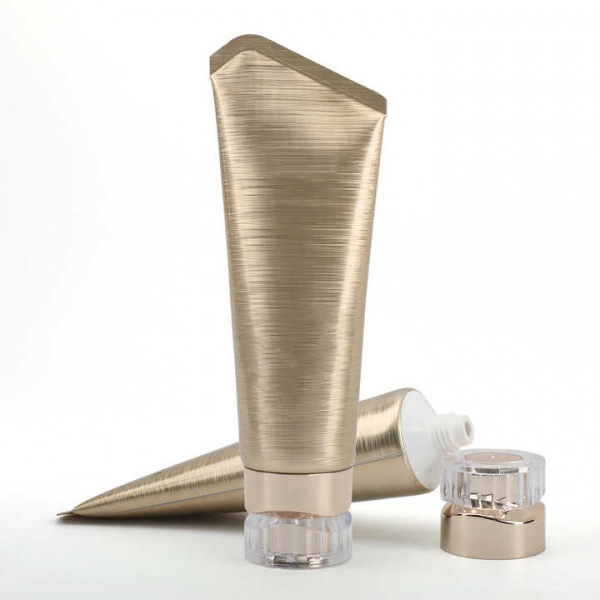
Empty Tube Cosmetic Cream Lotion Facial Cleanser Tubes Gold High Glossy ABL Plastic 100ml 120ml Cosmetic Packaging Round
Empty Tube Cosmetic Cream Lotion Facial Cleanser Tubes Gold High Glossy ABL Plastic 100ml 120ml Cosmetic Packaging Round Tube Manufacturer at www.cosmetic-tube.net
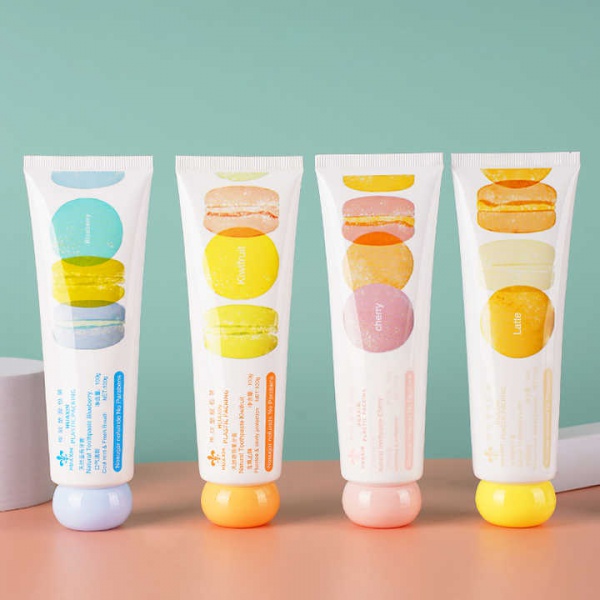
100g Cosmetic Plastic Cream Soft Plastic Tube Laminated Soft Plastic Toothpaste Tube Packaging With Screw Lid
100g Cosmetic Plastic Cream Soft Plastic Tube Laminated Soft Plastic Toothpaste Tube Packaging With Screw Lid Manufacturer at www.cosmetic-tube.net
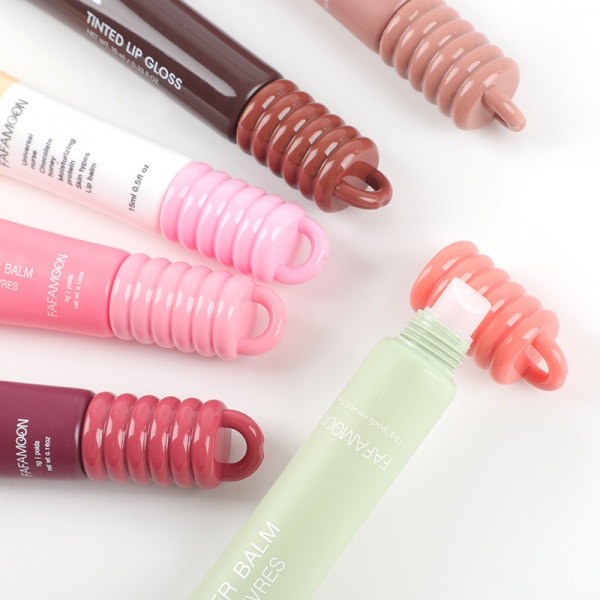
Manufacturers wholesale new empty lipstick tubes hang pendantslip gloss squeeze tube
Manufacturers wholesale new empty lipstick tubes hang pendantslip gloss squeeze tube with Custom logo at www.cosmetic-tube.net
Diameter: 16mm-60mm
Length: adjusted within the range of tube capacity (3ml to 500ml)
Layer: mono-layer,double-layer and 5layers tube
Shape: round,oval,super flat
Material: LDPE,HDPE,MDPE,LLDPE,SOFT TOUCH,EVOH
Tube color: white, transparent,colored
Printing: 1-6 colors offset ,silk cosmetic tube

Hot Sale Squeeze PETG Eye Cream Tube Lip Gloss Tubes Lip Balm Packaging Custom Volume Replaceable Head with Custom logo
Hot Sale Squeeze PETG Eye Cream Tube Lip Gloss Tubes Lip Balm Packaging Custom Volume Replaceable Head with Custom logo at www.cosmetic-tube.net
Diameter: 16mm-60mm
Length: adjusted within the range of tube capacity (3ml to 500ml)
Layer: mono-layer,double-layer and 5layers tube
Shape: round,oval,super flat
Material: LDPE,HDPE,MDPE,LLDPE,SOFT TOUCH,EVOH
Tube color: white, transparent,colored
Printing: 1-6 colors offset ,silk cosmetic tube

OEM/ODM Plastic Tube Empty PE Tube Skin Cream Cleanser Face Cream Sunscreen Cosmetic Packaging Squeeze Tube Manufacturer
OEM/ODM Plastic Tube Empty PE Tube Skin Cream Cleanser Face Cream Sunscreen Cosmetic Packaging Squeeze Tube Manufacturer at www.cosmetic-tube.net
50-100ML Aluminium Collapsible Tubes Hand Cream Tube With Octagonal Top
50-100ML Aluminium Collapsible Tubes Hand Cream Tube With Octagonal Top manufacturers and suppliers at www.cosmetic-tube.net
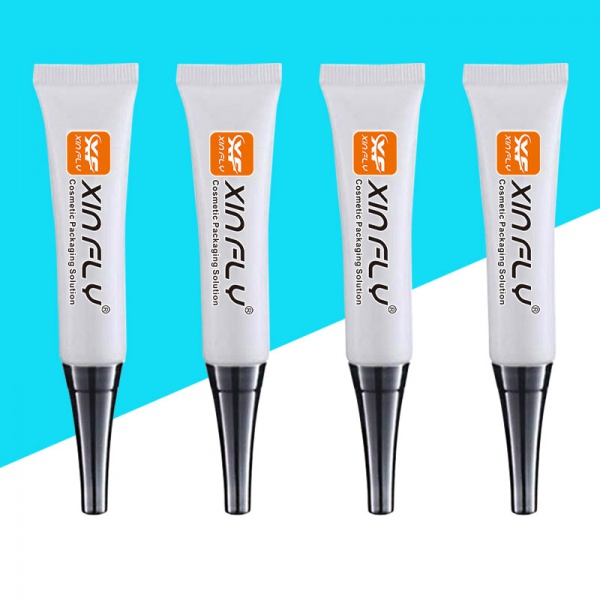
Manufacturer Empty PE Eye Cream Tube Cosmetic Packaging Squeeze Tube with Long Nozzle Custom Medical Gel Container
Manufacturer Empty PE Eye Cream Tube Cosmetic Packaging Squeeze Tube with Long Nozzle Custom Medical Gel Container from Jiangsu Xinfly Packaging Co.,LTD at www.cosmetic-tube.net
Diameter: 16mm-60mm
Length: adjusted within the range of tube capacity (3ml to 500ml)
Layer: mono-layer,double-layer and 5layers tube
Shape: round,oval,super flat
Material: LDPE,HDPE,MDPE,LLDPE,SOFT TOUCH,EVOH
Tube color: white, transparent,colored
Printing: 1-6 colors offset ,silk cosmetic tube
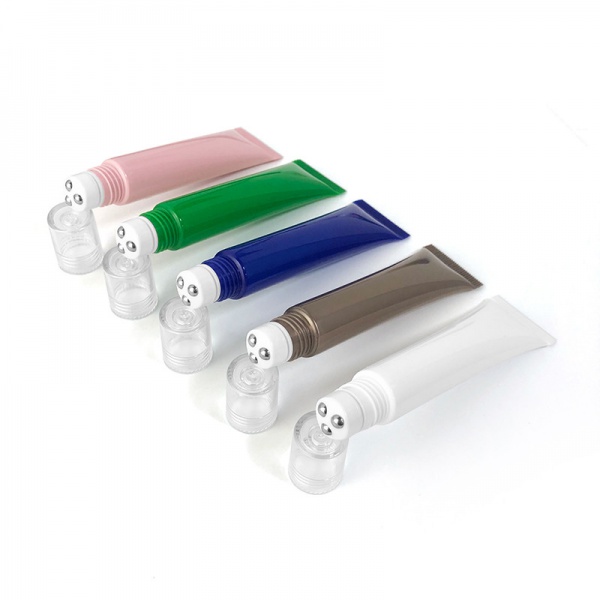
empty packaging cosmetic eyecream tube with steel ball applicator head
empty packaging cosmetic eyecream tube with steel ball applicator head from Jiangsu Xinfly Packaging Co.,LTD at www.cosmetic-tube.net
Diameter: 16mm-60mm
Length: adjusted within the range of tube capacity (3ml to 500ml)
Layer: mono-layer,double-layer and 5layers tube
Shape: round,oval,super flat
Material: LDPE,HDPE,MDPE,LLDPE,SOFT TOUCH,EVOH
Tube color: white, transparent,colored
Printing: 1-6 colors offset ,silk cosmetic tube
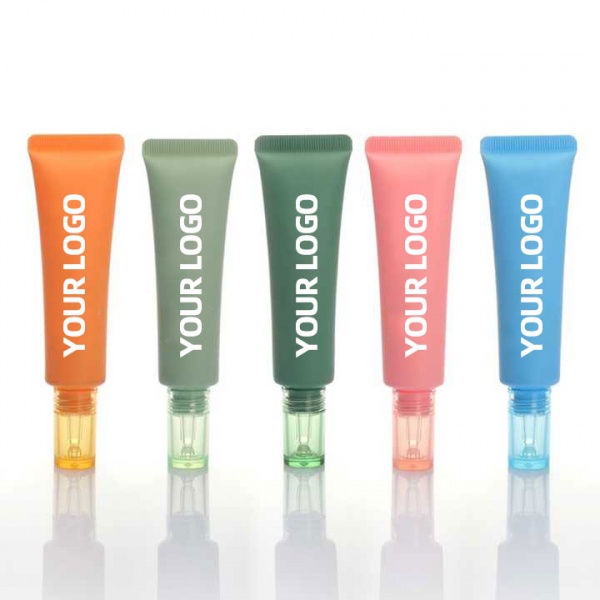
Manufacturer Oem/Odm Customized Soft Plastic Skin Cream Lotion Pe Empty Tube Cosmetic Packaging Composite Nozzle Tubes
Manufacturer Oem/Odm Customized Soft Plastic Skin Cream Lotion Pe Empty Tube Cosmetic Packaging Composite Nozzle Tubes from Jiangsu Xinfly Packaging Co.,LTD at www.cosmetic-tube.net
Diameter: 16mm-60mm
Length: adjusted within the range of tube capacity (3ml to 500ml)
Layer: mono-layer,double-layer and 5layers tube
Shape: round,oval,super flat
Material: LDPE,HDPE,MDPE,LLDPE,SOFT TOUCH,EVOH
Tube color: white, transparent,colored
Printing: 1-6 colors offset ,silk cosmetic tube

10g 10ml 15ml Empty Custom Color Squeeze Tube lip Gloss Lipstick lip Balm Squeeze Tube Packaging Plastic Tube
10g 10ml 15ml Empty Custom Color Squeeze Tube lip Gloss Lipstick lip Balm Squeeze Tube Packaging Plastic Tube at www.cosmetic-tube.net
Diameter: 16mm-60mm
Length: adjusted within the range of tube capacity (3ml to 500ml)
Layer: mono-layer,double-layer and 5layers tube
Shape: round,oval,super flat
Material: LDPE,HDPE,MDPE,LLDPE,SOFT TOUCH,EVOH
Tube color: white, transparent,colored
Printing: 1-6 colors offset ,silk cosmetic tube
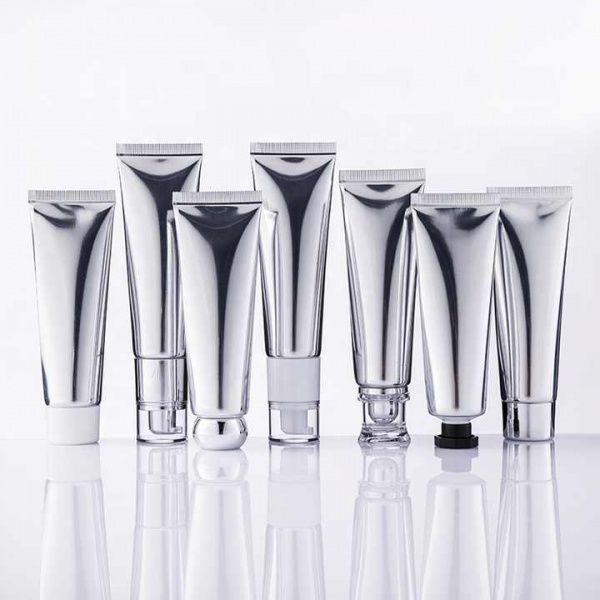
50ml Silver Metallic Glossy Aluminum Laminated Cosmetics Tubes
50ml Silver Metallic Glossy Aluminum Laminated Cosmetics Tubes Cosmetic Tube manufacturers and suppliers at www.cosmetic-tube.net
Diameter: 16mm-60mm
Length: adjusted within the range of tube capacity (3ml to 500ml)
Layer: mono-layer,double-layer and 5layers tube
Shape: round,oval,super flat
Material: LDPE,HDPE,MDPE,LLDPE,SOFT TOUCH,EVOH
Tube color: white, transparent,colored
Printing: 1-6 colors offset ,silk cosmetic tube
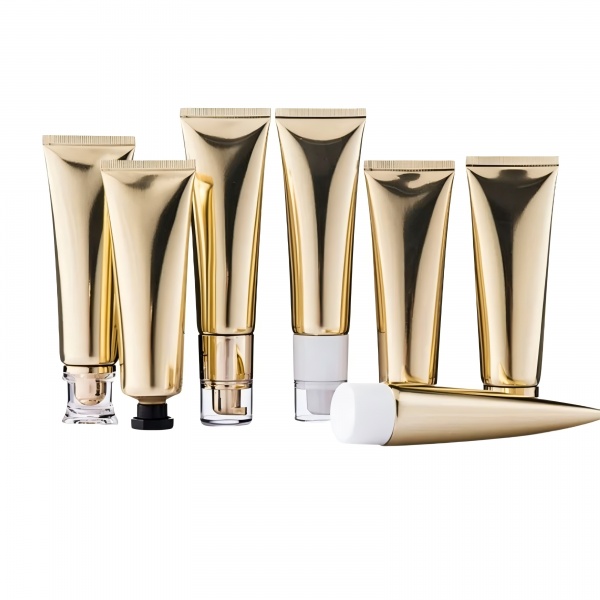
ABL shiny metallic packing with style Gold Aluminum Plastic Cream tube airless Facial Cleansing Cosmetic Tube
ABL shiny metallic packing with style Gold Aluminum Plastic Cream tube airless Facial Cleansing Cosmetic Tube manufacturers and suppliers at www.cosmetic-tube.net
Diameter: 16mm-60mm
Length: adjusted within the range of tube capacity (3ml to 500ml)
Layer: mono-layer,double-layer and 5layers tube
Shape: round,oval,super flat
Material: LDPE,HDPE,MDPE,LLDPE,SOFT TOUCH,EVOH
Tube color: white, transparent,colored
Printing: 1-6 colors offset ,silk cosmetic tube
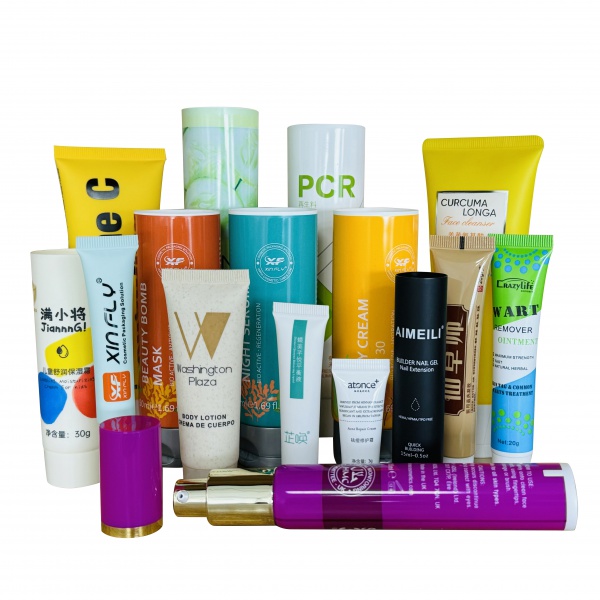
Cosmetic Tube Packaging Cosmetics Container
Cosmetic Tube,Packaging Cosmetics Container manufacturers and suppliers at www.cosmetic-tube.net
Diameter: 16mm-60mm
Length: adjusted within the range of tube capacity (3ml to 500ml)
Layer: mono-layer,double-layer and 5layers tube
Shape: round,oval,super flat
Material: LDPE,HDPE,MDPE,LLDPE,SOFT TOUCH,EVOH
Tube color: white, transparent,colored
Printing: 1-6 colors offset ,silk cosmetic tube
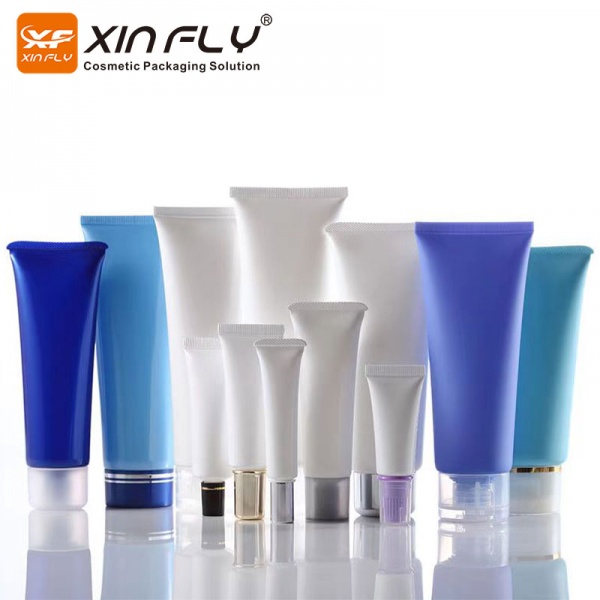
Plastic cosmetic tube manufacturers and suppliers
Plastic cosmetic tube manufacturers and suppliers at www.cosmetic-tube.net
Diameter: 16mm-60mm
Length: adjusted within the range of tube capacity (3ml to 500ml)
Layer: mono-layer,double-layer and 5layers tube
Shape: round,oval,super flat
Material: LDPE,HDPE,MDPE,LLDPE,SOFT TOUCH,EVOH
Tube color: white, transparent,colored
Printing: 1-6 colors offset ,silk cosmetic tube
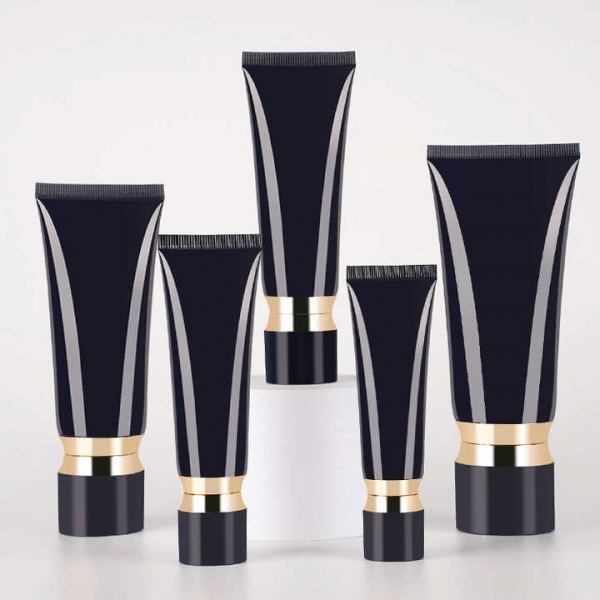
Black 120ml 150ml skin care tube cosmetic plastic packaging tube BB CC cream round plastic packaging tube with screw cap
black 120ml 150ml skin care tube cosmetic plastic packaging tube BB CC cream round plastic packaging tube with screw cap at www.cosmetic-tube.net
Diameter: 16mm-60mm
Length: adjusted within the range of tube capacity (3ml to 500ml)
Layer: mono-layer,double-layer and 5layers tube
Shape: round,oval,super flat
Material: LDPE,HDPE,MDPE,LLDPE,SOFT TOUCH,EVOH
Tube color: white, transparent,colored
Printing: 1-6 colors offset ,silk cosmetic tube
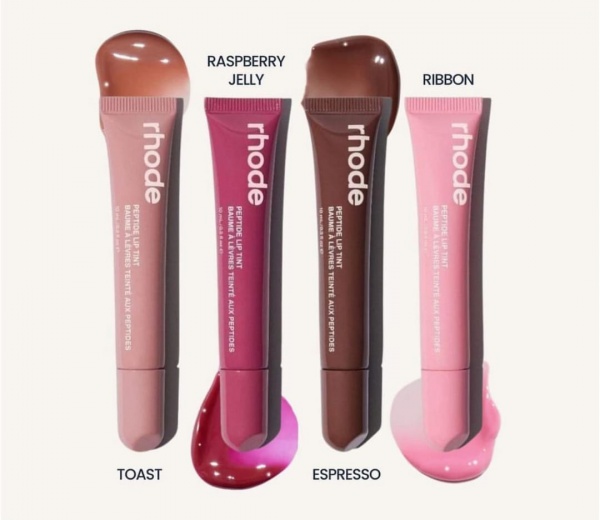
Lipgloss Lip Lipgloss Gloss squeeze tube Cosmetic Soft Tube Packaging
Lipgloss Lip Lipgloss Gloss squeeze tube Cosmetic Soft Tube Packaging at www.cosmetic-tube.net
Diameter: 16mm-60mm
Length: adjusted within the range of tube capacity (3ml to 500ml)
Layer: mono-layer,double-layer and 5layers tube
Shape: round,oval,super flat
Material: LDPE,HDPE,MDPE,LLDPE,SOFT TOUCH,EVOH
Tube color: white, transparent,colored
Printing: 1-6 colors offset ,silk cosmetic tube
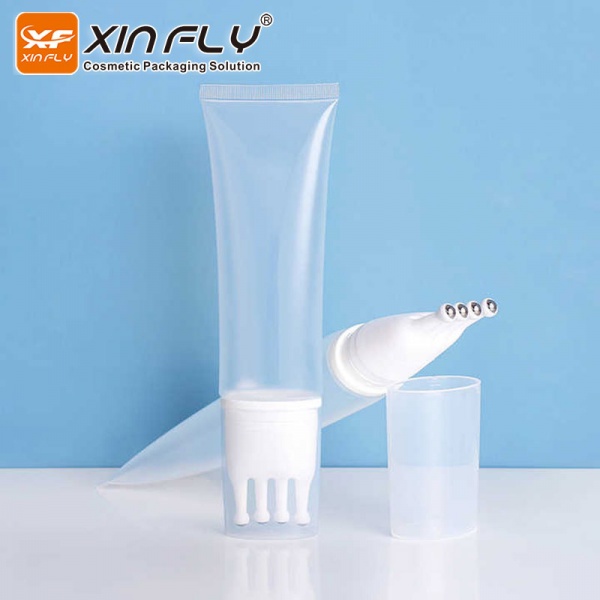
Empty Scalp Massage Skin Care Cream Tube Packaging With Head Massage Applicator With Metal Three Ball Portable Body Massage Tube
Empty Scalp Massage Skin Care Cream Tube Packaging With Head Massage Applicator With Metal Three Ball Portable Body Massage Tube at www.cosmetic-tube.net
Diameter: 16mm-60mm
Length: adjusted within the range of tube capacity (3ml to 500ml)
Layer: mono-layer,double-layer and 5layers tube
Shape: round,oval,super flat
Material: LDPE,HDPE,MDPE,LLDPE,SOFT TOUCH,EVOH
Tube color: white, transparent,colored
Printing: 1-6 colors offset ,silk cosmetic tube

wholesale empty 30ml 50ml 100ml 150ml white plastic PE cosmetic squeeze printing tube with flip top cover
wholesale empty 30ml 50ml 100ml 150ml white plastic PE cosmetic squeeze printing tube with flip top cover on www.cosmetic-tube.net
Diameter: 16mm-60mm
Length: adjusted within the range of tube capacity (3ml to 500ml)
Layer: mono-layer,double-layer and 5layers tube
Shape: round,oval,super flat
Material: LDPE,HDPE,MDPE,LLDPE,SOFT TOUCH,EVOH
Tube color: white, transparent,colored
Printing: 1-6 colors offset ,silk cosmetic tube

Empty 10ml 15ml 30ml 60ml Black Blackout Hard Acrylic UV Nail Extension Poly Building Gel Cosmetic Tube For Gel Packaging
Empty 10ml 15ml 30ml 60ml Black Blackout Hard Acrylic UV Nail Extension Poly Building Gel Cosmetic Tube For Gel Packaging at www.cosmetic-tube.net
Diameter: 16mm-60mm
Length: adjusted within the range of tube capacity (3ml to 500ml)
Layer: mono-layer,double-layer and 5layers tube
Shape: round,oval,super flat
Material: LDPE,HDPE,MDPE,LLDPE,SOFT TOUCH,EVOH
Tube color: white, transparent,colored
Printing: 1-6 colors offset ,silk cosmetic tube
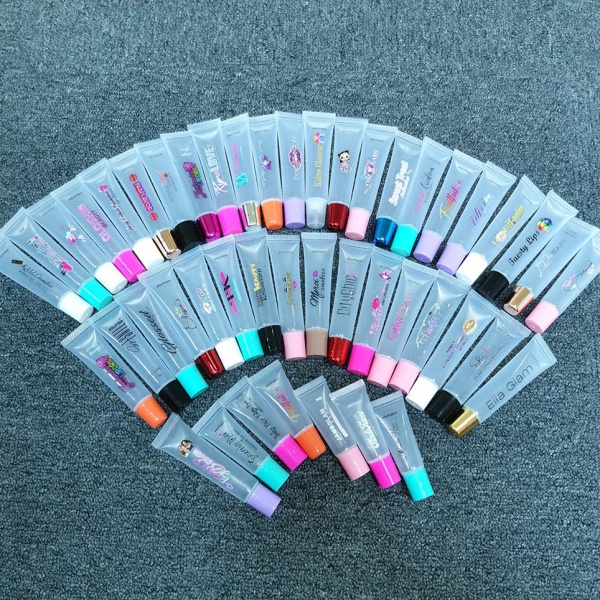
Empty Lip Gloss squeeze tubes
Empty Lip Gloss squeeze tubes from Jiangsu Xinfly Packaging Co.,LTD at www.cosmetic-tube.net
Diameter: 16mm-60mm
Length: adjusted within the range of tube capacity (3ml to 500ml)
Layer: mono-layer,double-layer and 5layers tube
Shape: round,oval,super flat
Material: LDPE,HDPE,MDPE,LLDPE,SOFT TOUCH,EVOH
Tube color: white, transparent,colored
Printing: 1-6 colors offset ,silk cosmetic tube

Empty Cosmetic Packaging Plastic Soft Squeeze Hotel Body Lotion Shampoo Conditioner Body Wash Tube Set
Empty Cosmetic Packaging Plastic Soft Squeeze Hotel Body Lotion Shampoo Conditioner Body Wash Tube Set - empty cosmetic packaging,empty cosmetic tube ,Body lotion tube,shampoo tube on www.cosmetic-tube.net
Diameter: 16mm-60mm
Length: adjusted within the range of tube capacity (3ml to 500ml)
Layer: mono-layer,double-layer and 5layers tube
Shape: round,oval,super flat
Material: LDPE,HDPE,MDPE,LLDPE,SOFT TOUCH,EVOH
Tube color: white, transparen

Eco Friendly Biodegradable Material Wheat Straw Tubes Packaging
Eco Friendly Biodegradable Material Wheat Straw Tubes Packaging - Wheat Straw Tubes,Cosmetic Tubes Packaging,Plastic Tube For Cosmetics,Recycled Plastic Tube,Biodegradable cosmetic tube on www.cosmetic-tube.net
Diameter: 16mm-60mm
Length: adjusted within the range of tube capacity (3ml to 500ml)
Layer: mono-layer,double-layer and 5layers tube
Shape: round,oval,super flat
Material: LDPE,HDPE,MDPE,LLDPE,SOFT TOUCH,EVOH
Tube color: white, transparen
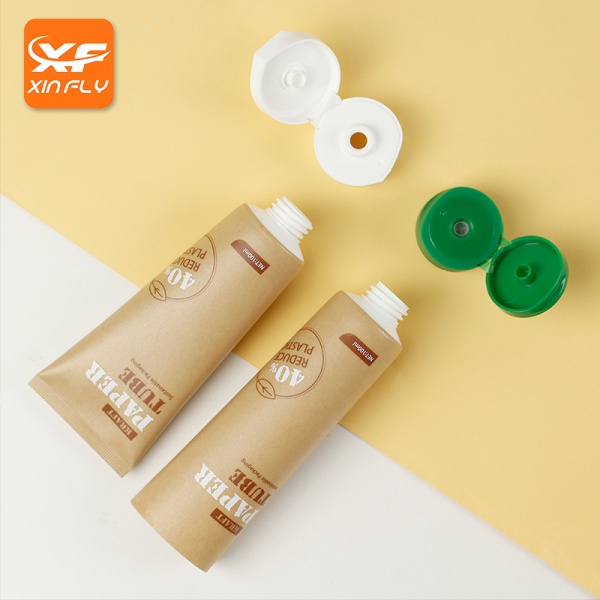
Recyclable 40% Kraft Paper Plastic Body Lotion Hand Cream Cosmetic Soft Tube Biodegradable squeeze tubes packaging
Recyclable 40% Paper Plastic Body Lotion Hand Cream Cosmetic Soft Tube Biodegradable squeeze tubes packaging - Paper Cosmetic Tube,Cosmetic Tubes Packaging,Plastic Tube For Cosmetics,Recycled Plastic Tube,Recycled cosmetic tube on www.cosmetic-tube.net
Diameter: 16mm-60mm
Length: adjusted within the range of tube capacity (3ml to 500ml)
Layer: mono-layer,double-layer and 5layers tube
Shape: round,oval,super flat
Material: LDPE,HDPE,MDPE,LLDPE,SOFT TOUCH,EVOH
Tube color: white, transparen

Eco-packaging Plastic PCR (Post-consumer Resin) Tubes Recycled Cosmetic Tube For Cosmetic Packaging
Eco-packaging Plastic PCR (Post-consumer Resin) Tubes Recycled Cosmetic Tube For Cosmetic Packaging - Pcr Tube,Cosmetic Tubes Packaging,Plastic Tube For Cosmetics Packaging Product on www.cosmetic-tube.net
Diameter: 16mm-60mm
Length: adjusted within the range of tube capacity (3ml to 500ml)
Layer: mono-layer,double-layer and 5layers tube
Shape: round,oval,super flat
Material: LDPE,HDPE,MDPE,LLDPE,SOFT TOUCH,EVOH
Tube color: white, transparent,colored
Printing: 1-6 colors offset ,silkscr
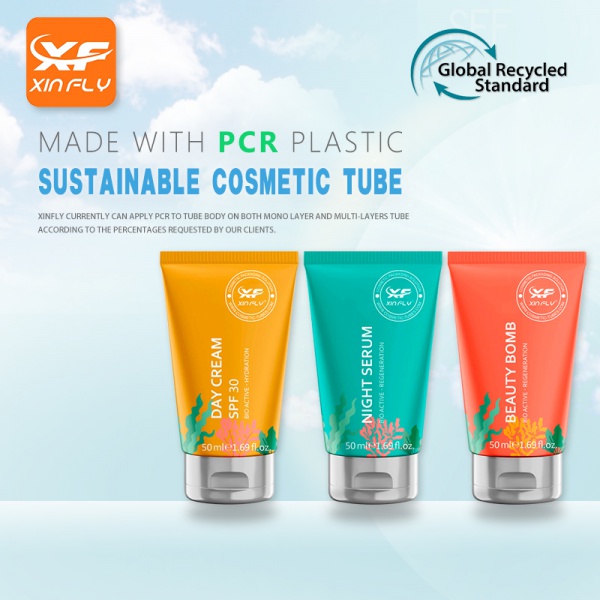
Customization Eco-friendly PCR Cosmetic Cream Lotion Cleanser Body Skincare Tube Packaging Recycled Plastic Tube
Customization Eco-friendly PCR Cosmetic Cream Lotion Cleanser Body Skincare Tube Packaging Recycled Plastic Tube - Pcr Tube,Cosmetic Tubes Packaging,Plastic Tube For Cosmetics Packaging Product on www.cosmetic-tube.net
Diameter: 16mm-60mm
Length: adjusted within the range of tube capacity (3ml to 500ml)
Layer: mono-layer,double-layer and 5layers tube
Shape: round,oval,super flat
Material: LDPE,HDPE,MDPE,LLDPE,SOFT TOUCH,EVOH
Tube color: white, transparent,colored
Coating: Glossy,Matte
Pr
Empty Tube Cosmetic Cream Lotion Facial Cleanser Tubes Gold High Glossy ABL Plastic 100ml 120ml Cosmetic Packaging Round
Empty Tube Cosmetic Cream Lotion Facial Cleanser Tubes Gold High Glossy ABL Plastic 100ml 120ml Cosmetic Packaging Round Tube Manufacturer at www.cosmetic-tube.net
100g Cosmetic Plastic Cream Soft Plastic Tube Laminated Soft Plastic Toothpaste Tube Packaging With Screw Lid
100g Cosmetic Plastic Cream Soft Plastic Tube Laminated Soft Plastic Toothpaste Tube Packaging With Screw Lid Manufacturer at www.cosmetic-tube.net
OEM/ODM Plastic Tube Empty PE Tube Skin Cream Cleanser Face Cream Sunscreen Cosmetic Packaging Squeeze Tube Manufacturer
OEM/ODM Plastic Tube Empty PE Tube Skin Cream Cleanser Face Cream Sunscreen Cosmetic Packaging Squeeze Tube Manufacturer at www.cosmetic-tube.net
50-100ML Aluminium Collapsible Tubes Hand Cream Tube With Octagonal Top
50-100ML Aluminium Collapsible Tubes Hand Cream Tube With Octagonal Top manufacturers and suppliers at www.cosmetic-tube.net
50ml Silver Metallic Glossy Aluminum Laminated Cosmetics Tubes
50ml Silver Metallic Glossy Aluminum Laminated Cosmetics Tubes Cosmetic Tube manufacturers and suppliers at www.cosmetic-tube.net
Diameter: 16mm-60mm
Length: adjusted within the range of tube capacity (3ml to 500ml)
Layer: mono-layer,double-layer and 5layers tube
Shape: round,oval,super flat
Material: LDPE,HDPE,MDPE,LLDPE,SOFT TOUCH,EVOH
Tube color: white, transparent,colored
Printing: 1-6 colors offset ,silk cosmetic tube
ABL shiny metallic packing with style Gold Aluminum Plastic Cream tube airless Facial Cleansing Cosmetic Tube
ABL shiny metallic packing with style Gold Aluminum Plastic Cream tube airless Facial Cleansing Cosmetic Tube manufacturers and suppliers at www.cosmetic-tube.net
Diameter: 16mm-60mm
Length: adjusted within the range of tube capacity (3ml to 500ml)
Layer: mono-layer,double-layer and 5layers tube
Shape: round,oval,super flat
Material: LDPE,HDPE,MDPE,LLDPE,SOFT TOUCH,EVOH
Tube color: white, transparent,colored
Printing: 1-6 colors offset ,silk cosmetic tube
Cosmetic Tube Packaging Cosmetics Container
Cosmetic Tube,Packaging Cosmetics Container manufacturers and suppliers at www.cosmetic-tube.net
Diameter: 16mm-60mm
Length: adjusted within the range of tube capacity (3ml to 500ml)
Layer: mono-layer,double-layer and 5layers tube
Shape: round,oval,super flat
Material: LDPE,HDPE,MDPE,LLDPE,SOFT TOUCH,EVOH
Tube color: white, transparent,colored
Printing: 1-6 colors offset ,silk cosmetic tube
Plastic cosmetic tube manufacturers and suppliers
Plastic cosmetic tube manufacturers and suppliers at www.cosmetic-tube.net
Diameter: 16mm-60mm
Length: adjusted within the range of tube capacity (3ml to 500ml)
Layer: mono-layer,double-layer and 5layers tube
Shape: round,oval,super flat
Material: LDPE,HDPE,MDPE,LLDPE,SOFT TOUCH,EVOH
Tube color: white, transparent,colored
Printing: 1-6 colors offset ,silk cosmetic tube
Black 120ml 150ml skin care tube cosmetic plastic packaging tube BB CC cream round plastic packaging tube with screw cap
black 120ml 150ml skin care tube cosmetic plastic packaging tube BB CC cream round plastic packaging tube with screw cap at www.cosmetic-tube.net
Diameter: 16mm-60mm
Length: adjusted within the range of tube capacity (3ml to 500ml)
Layer: mono-layer,double-layer and 5layers tube
Shape: round,oval,super flat
Material: LDPE,HDPE,MDPE,LLDPE,SOFT TOUCH,EVOH
Tube color: white, transparent,colored
Printing: 1-6 colors offset ,silk cosmetic tube
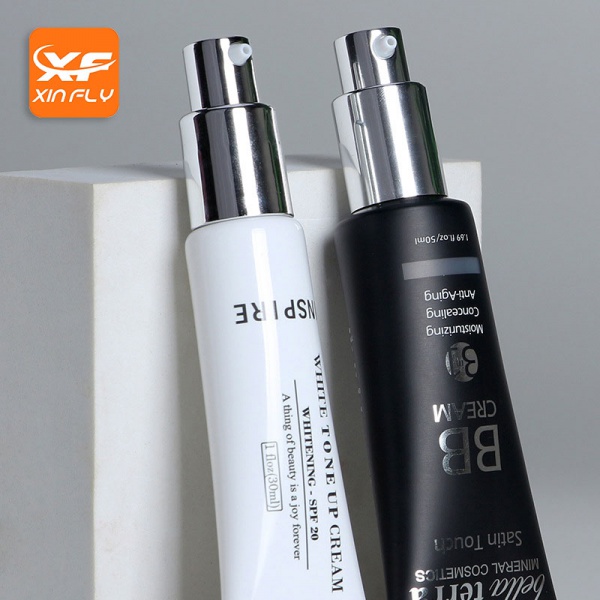
Luxury Empty Plastic 30ml 50ml BB Eye Cream Tube Airless Pump Squeeze Cosmetic Sugarcane Soft Touch Tubes
Luxury Empty Plastic 15ml 30ml 50ml BB Eye Cream Tube Airless Pump Squeeze Cosmetic Sugarcane Soft Touch Tubes on www.cosmetic-tube.net
Diameter: 16mm-60mm
Length: adjusted within the range of tube capacity (3ml to 500ml)
Layer: mono-layer,double-layer and 5layers tube
Shape: round,oval,super flat
Material: LDPE,HDPE,MDPE,LLDPE,SOFT TOUCH,EVOH
Tube color: white, transparent,colored
Printing: 1-6 colors offset ,silk cosmetic tube
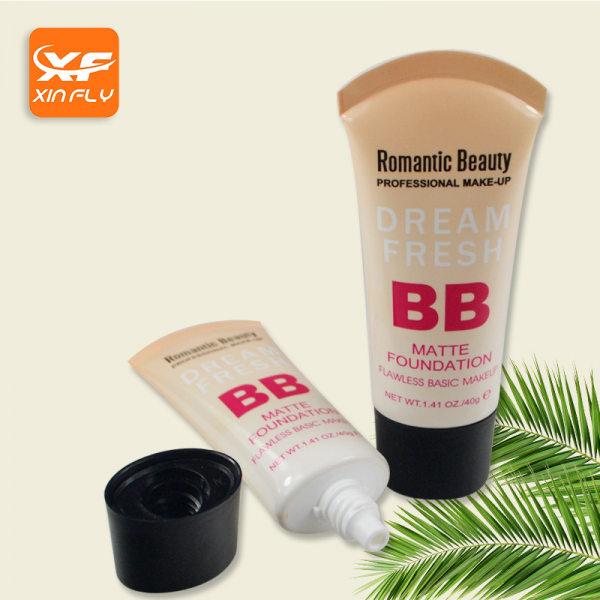
Empty 30ml 35ml Squeeze BB CC Cream Lotion Container Tube Packaging
Cheap 30ml 35ml Squeeze BB CC Cream Lotion Container Tube Packaging on www.cosmetic-tube.net
Diameter: 16mm-60mm
Length: adjusted within the range of tube capacity (3ml to 500ml)
Layer: mono-layer,double-layer and 5layers tube
Shape: round,oval,super flat
Material: LDPE,HDPE,MDPE,LLDPE,SOFT TOUCH,EVOH
Tube color: white, transparent,colored
Printing: 1-6 colors offset ,silk cosmetic tube
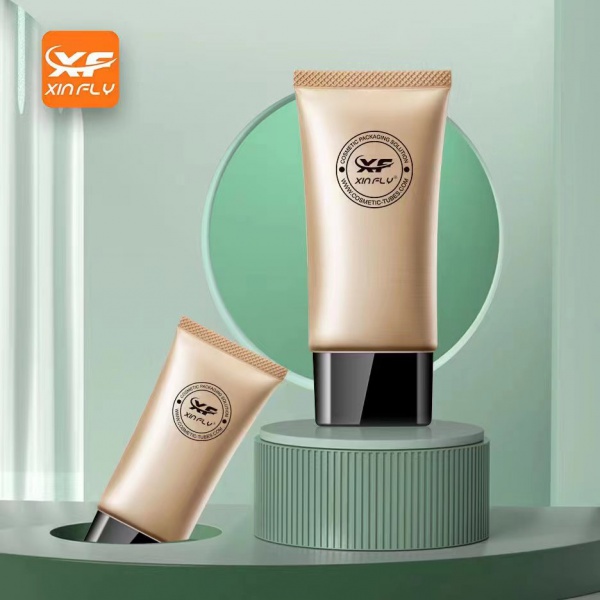
30ml 35ml Squeeze BB CC Cream Lotion Container Tube Packaging
Cheap 30ml 35ml Squeeze BB CC Cream Lotion Container Tube Packaging on www.cosmetic-tube.net
Diameter: 16mm-60mm
Length: adjusted within the range of tube capacity (3ml to 500ml)
Layer: mono-layer,double-layer and 5layers tube
Shape: round,oval,super flat
Material: LDPE,HDPE,MDPE,LLDPE,SOFT TOUCH,EVOH
Tube color: white, transparent,colored
Printing: 1-6 colors offset ,silk cosmetic tube
Manufacturers wholesale new empty lipstick tubes hang pendantslip gloss squeeze tube
Manufacturers wholesale new empty lipstick tubes hang pendantslip gloss squeeze tube with Custom logo at www.cosmetic-tube.net
Diameter: 16mm-60mm
Length: adjusted within the range of tube capacity (3ml to 500ml)
Layer: mono-layer,double-layer and 5layers tube
Shape: round,oval,super flat
Material: LDPE,HDPE,MDPE,LLDPE,SOFT TOUCH,EVOH
Tube color: white, transparent,colored
Printing: 1-6 colors offset ,silk cosmetic tube
Hot Sale Squeeze PETG Eye Cream Tube Lip Gloss Tubes Lip Balm Packaging Custom Volume Replaceable Head with Custom logo
Hot Sale Squeeze PETG Eye Cream Tube Lip Gloss Tubes Lip Balm Packaging Custom Volume Replaceable Head with Custom logo at www.cosmetic-tube.net
Diameter: 16mm-60mm
Length: adjusted within the range of tube capacity (3ml to 500ml)
Layer: mono-layer,double-layer and 5layers tube
Shape: round,oval,super flat
Material: LDPE,HDPE,MDPE,LLDPE,SOFT TOUCH,EVOH
Tube color: white, transparent,colored
Printing: 1-6 colors offset ,silk cosmetic tube
10g 10ml 15ml Empty Custom Color Squeeze Tube lip Gloss Lipstick lip Balm Squeeze Tube Packaging Plastic Tube
10g 10ml 15ml Empty Custom Color Squeeze Tube lip Gloss Lipstick lip Balm Squeeze Tube Packaging Plastic Tube at www.cosmetic-tube.net
Diameter: 16mm-60mm
Length: adjusted within the range of tube capacity (3ml to 500ml)
Layer: mono-layer,double-layer and 5layers tube
Shape: round,oval,super flat
Material: LDPE,HDPE,MDPE,LLDPE,SOFT TOUCH,EVOH
Tube color: white, transparent,colored
Printing: 1-6 colors offset ,silk cosmetic tube
Lipgloss Lip Lipgloss Gloss squeeze tube Cosmetic Soft Tube Packaging
Lipgloss Lip Lipgloss Gloss squeeze tube Cosmetic Soft Tube Packaging at www.cosmetic-tube.net
Diameter: 16mm-60mm
Length: adjusted within the range of tube capacity (3ml to 500ml)
Layer: mono-layer,double-layer and 5layers tube
Shape: round,oval,super flat
Material: LDPE,HDPE,MDPE,LLDPE,SOFT TOUCH,EVOH
Tube color: white, transparent,colored
Printing: 1-6 colors offset ,silk cosmetic tube
Empty Lip Gloss squeeze tubes
Empty Lip Gloss squeeze tubes from Jiangsu Xinfly Packaging Co.,LTD at www.cosmetic-tube.net
Diameter: 16mm-60mm
Length: adjusted within the range of tube capacity (3ml to 500ml)
Layer: mono-layer,double-layer and 5layers tube
Shape: round,oval,super flat
Material: LDPE,HDPE,MDPE,LLDPE,SOFT TOUCH,EVOH
Tube color: white, transparent,colored
Printing: 1-6 colors offset ,silk cosmetic tube
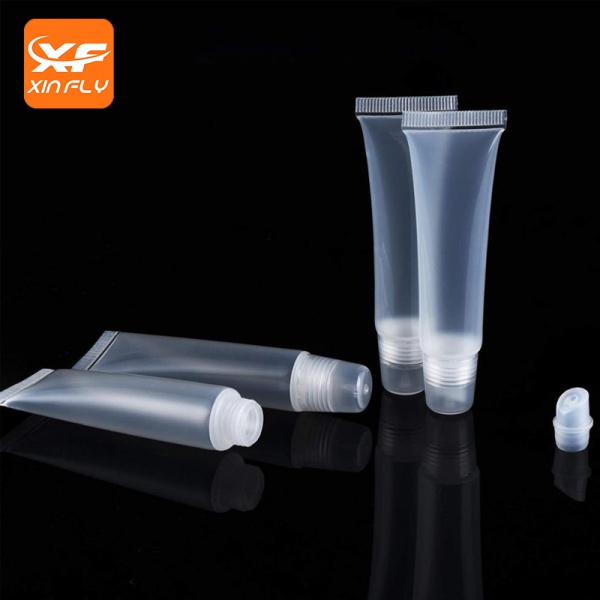
Custom LOGO Pink Black Silver Clear cap lipgloss tube private label 5ml 8ml 10ml 15ml empty squeeze lip gloss tube containers
Custom LOGO Pink Black Silver Clear cap lipgloss tube private label 5ml 8ml 10ml 15ml empty squeeze lip gloss tube containers from Jiangsu Xinfly Packaging Co.,LTD at www.cosmetic-tube.net
Diameter: 16mm-60mm
Length: adjusted within the range of tube capacity (3ml to 500ml)
Layer: mono-layer,double-layer and 5layers tube
Shape: round,oval,super flat
Material: LDPE,HDPE,MDPE,LLDPE,SOFT TOUCH,EVOH
Tube color: white, transparent,colored
Printing: 1-6 colors offset ,silk cosmetic tube
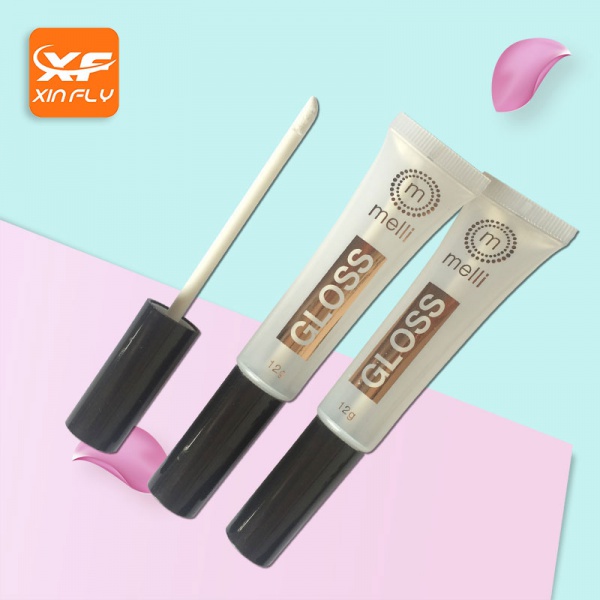
Custom Printed Clear Plastic Lipgloss Tube Container Empty Soft Lip Gloss Squeeze Tubes With Wand
Custom Printed Clear Plastic Lipgloss Tube Container Empty Soft Lip Gloss Squeeze Tubes With Wand from Jiangsu Xinfly Packaging Co.,LTD at www.cosmetic-tube.net
Diameter: 16mm-60mm
Length: adjusted within the range of tube capacity (3ml to 500ml)
Layer: mono-layer,double-layer and 5layers tube
Shape: round,oval,super flat
Material: LDPE,HDPE,MDPE,LLDPE,SOFT TOUCH,EVOH
Tube color: white, transparent,colored
Printing: 1-6 colors offset ,silk cosmetic tube
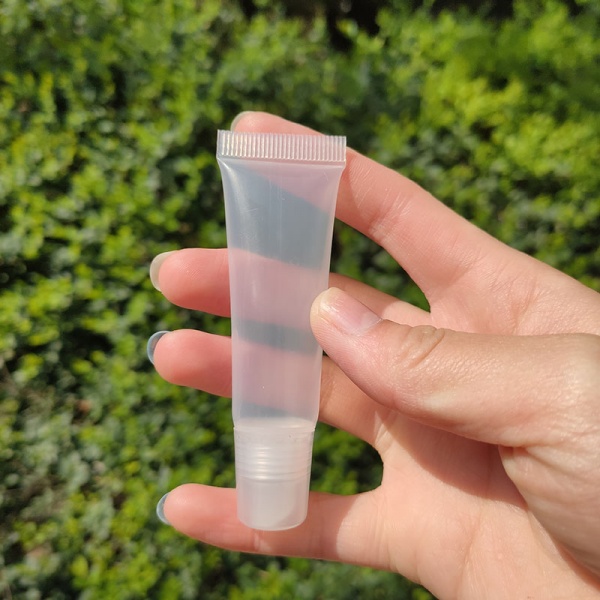
15ml Empty Lip Gloss squeeze tubes
15ml Empty Lip Gloss squeeze tubes from Jiangsu Xinfly Packaging Co.,LTD at www.cosmetic-tube.net
Diameter: 16mm-60mm
Length: adjusted within the range of tube capacity (3ml to 500ml)
Layer: mono-layer,double-layer and 5layers tube
Shape: round,oval,super flat
Material: LDPE,HDPE,MDPE,LLDPE,SOFT TOUCH,EVOH
Tube color: white, transparent,colored
Printing: 1-6 colors offset ,silk cosmetic tube
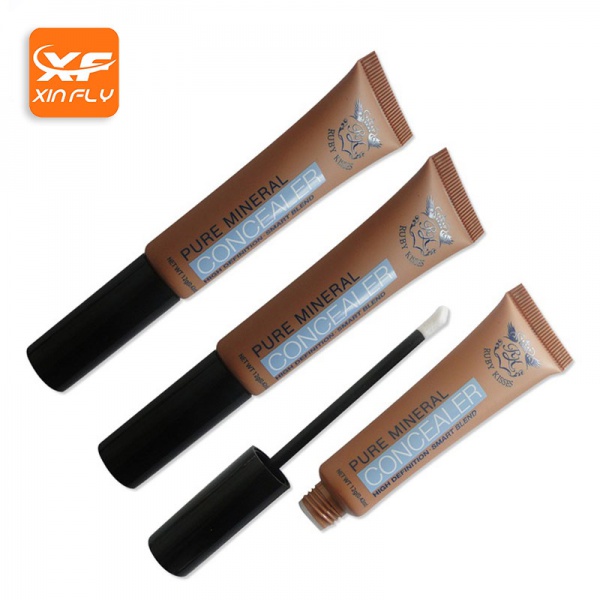
Custom Printed Clear Plastic Lipgloss Tube Container Empty Soft Lip Gloss Squeeze Tubes With Wand-副本-副本
Custom Printed Clear Plastic Lipgloss Tube Container Empty Soft Lip Gloss Squeeze Tubes With Wand from Jiangsu Xinfly Packaging Co.,LTD at www.cosmetic-tube.net
Diameter: 16mm-60mm
Length: adjusted within the range of tube capacity (3ml to 500ml)
Layer: mono-layer,double-layer and 5layers tube
Shape: round,oval,super flat
Material: LDPE,HDPE,MDPE,LLDPE,SOFT TOUCH,EVOH
Tube color: white, transparent,colored
Printing: 1-6 colors offset ,silk cosmetic tube
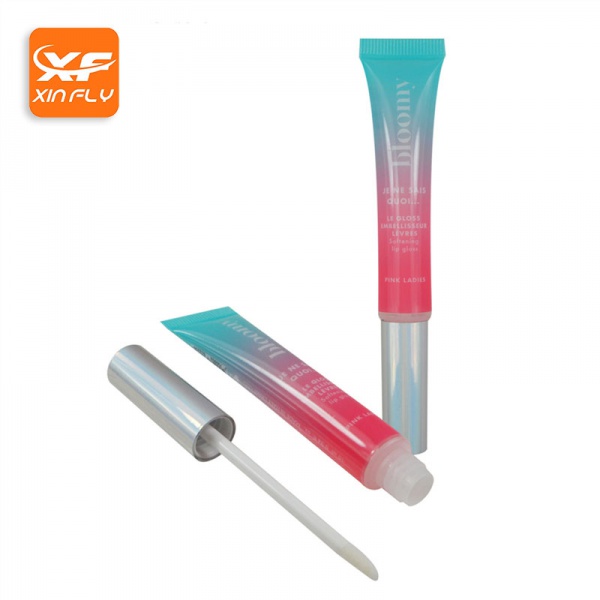
Custom Printed Clear Plastic Lipgloss Tube Container Empty Soft Lip Gloss Squeeze Tubes With Wand
Custom Printed Clear Plastic Lipgloss Tube Container Empty Soft Lip Gloss Squeeze Tubes With Wand from Jiangsu Xinfly Packaging Co.,LTD at www.cosmetic-tube.net
Diameter: 16mm-60mm
Length: adjusted within the range of tube capacity (3ml to 500ml)
Layer: mono-layer,double-layer and 5layers tube
Shape: round,oval,super flat
Material: LDPE,HDPE,MDPE,LLDPE,SOFT TOUCH,EVOH
Tube color: white, transparent,colored
Printing: 1-6 colors offset ,silk cosmetic tube
Manufacturer Empty PE Eye Cream Tube Cosmetic Packaging Squeeze Tube with Long Nozzle Custom Medical Gel Container
Manufacturer Empty PE Eye Cream Tube Cosmetic Packaging Squeeze Tube with Long Nozzle Custom Medical Gel Container from Jiangsu Xinfly Packaging Co.,LTD at www.cosmetic-tube.net
Diameter: 16mm-60mm
Length: adjusted within the range of tube capacity (3ml to 500ml)
Layer: mono-layer,double-layer and 5layers tube
Shape: round,oval,super flat
Material: LDPE,HDPE,MDPE,LLDPE,SOFT TOUCH,EVOH
Tube color: white, transparent,colored
Printing: 1-6 colors offset ,silk cosmetic tube
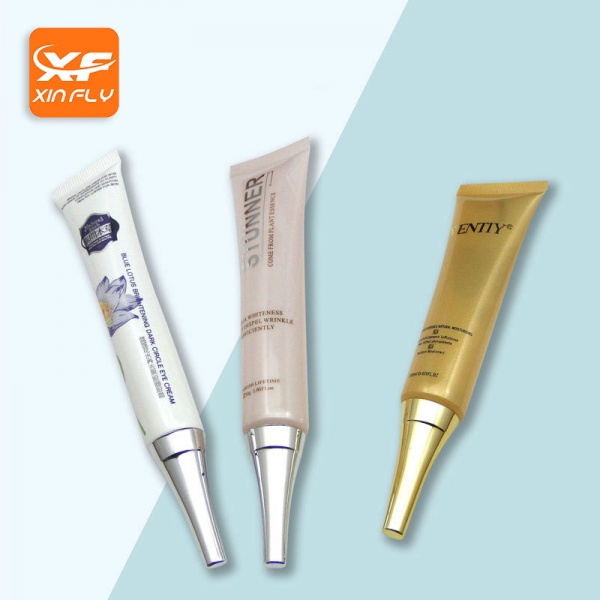
15ml 20ml 30ml custom squeeze soft sample Plastic Long Nozzle Eye Serum cream Tube with plating lid
15ml 20ml 30ml custom squeeze soft sample Plastic Long Nozzle Eye Serum cream Tube with plating lid from Jiangsu Xinfly Packaging Co.,LTD at www.cosmetic-tube.net
Diameter: 16mm-60mm
Length: adjusted within the range of tube capacity (3ml to 500ml)
Layer: mono-layer,double-layer and 5layers tube
Shape: round,oval,super flat
Material: LDPE,HDPE,MDPE,LLDPE,SOFT TOUCH,EVOH
Tube color: white, transparent,colored
Printing: 1-6 colors offset ,silk cosmetic tube
printed empty pe soft tube long nose gel packaging cosmetic eye cream packing containers plastic tube
printed empty pe soft tube long nose gel packaging cosmetic eye cream packing containers plastic tube from Jiangsu Xinfly Packaging Co.,LTD at www.cosmetic-tube.net
Diameter: 16mm-60mm
Length: adjusted within the range of tube capacity (3ml to 500ml)
Layer: mono-layer,double-layer and 5layers tube
Shape: round,oval,super flat
Material: LDPE,HDPE,MDPE,LLDPE,SOFT TOUCH,EVOH
Tube color: white, transparent,colored
Printing: 1-6 colors offset ,silk cosmetic tube
50ml Silver Metallic Glossy Aluminum Laminated Cosmetics Tubes
50ml Silver Metallic Glossy Aluminum Laminated Cosmetics Tubes Cosmetic Tube manufacturers and suppliers at www.cosmetic-tube.net
Diameter: 16mm-60mm
Length: adjusted within the range of tube capacity (3ml to 500ml)
Layer: mono-layer,double-layer and 5layers tube
Shape: round,oval,super flat
Material: LDPE,HDPE,MDPE,LLDPE,SOFT TOUCH,EVOH
Tube color: white, transparent,colored
Printing: 1-6 colors offset ,silk cosmetic tube
ABL shiny metallic packing with style Gold Aluminum Plastic Cream tube airless Facial Cleansing Cosmetic Tube
ABL shiny metallic packing with style Gold Aluminum Plastic Cream tube airless Facial Cleansing Cosmetic Tube manufacturers and suppliers at www.cosmetic-tube.net
Diameter: 16mm-60mm
Length: adjusted within the range of tube capacity (3ml to 500ml)
Layer: mono-layer,double-layer and 5layers tube
Shape: round,oval,super flat
Material: LDPE,HDPE,MDPE,LLDPE,SOFT TOUCH,EVOH
Tube color: white, transparent,colored
Printing: 1-6 colors offset ,silk cosmetic tube
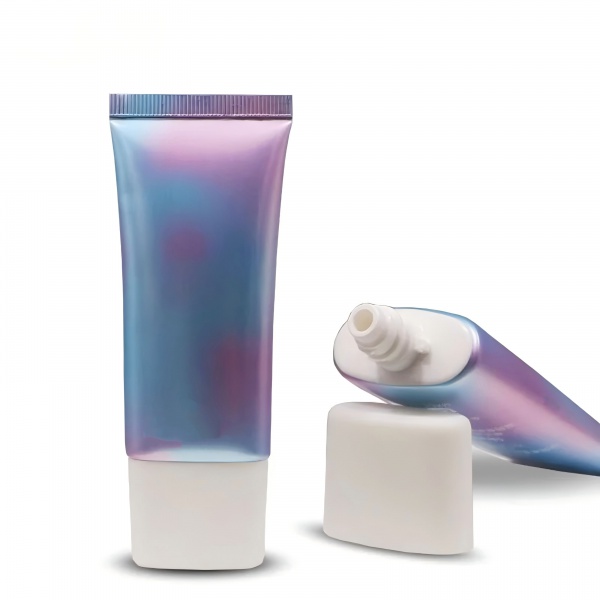
ABL Empty Aluminium Laminated Tubes Cosmetic Packaging Plastic Tube
ABL Empty Aluminium Laminated Tubes Cosmetic Packaging Plastic Tube manufacturers and suppliers at www.cosmetic-tube.net
Diameter: 16mm-60mm
Length: adjusted within the range of tube capacity (3ml to 500ml)
Layer: mono-layer,double-layer and 5layers tube
Shape: round,oval,super flat
Material: LDPE,HDPE,MDPE,LLDPE,SOFT TOUCH,EVOH
Tube color: white, transparent,colored
Printing: 1-6 colors offset ,silk cosmetic tube
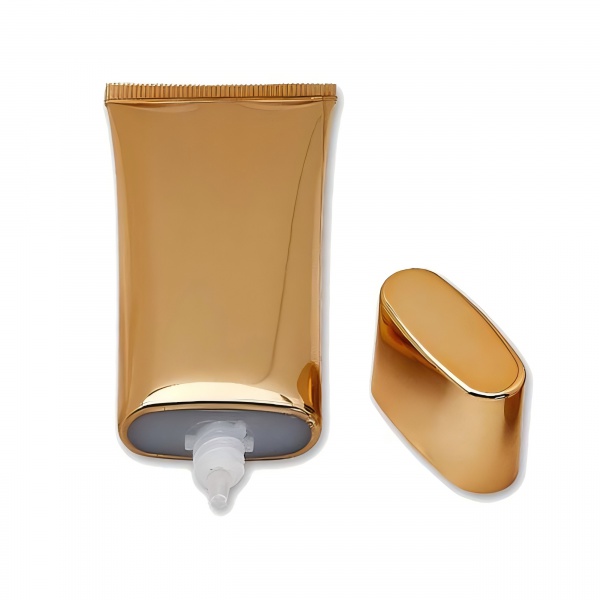
Flat Squeeze Aluminum Plastic Tubes for BB and CC Cream
Flat Oval Squeeze Aluminum Plastic Tubes for BB and CC Cream manufacturers and suppliers at www.cosmetic-tube.net
Diameter: 16mm-60mm
Length: adjusted within the range of tube capacity (3ml to 500ml)
Layer: mono-layer,double-layer and 5layers tube
Shape: round,oval,super flat
Material: LDPE,HDPE,MDPE,LLDPE,SOFT TOUCH,EVOH
Tube color: white, transparent,colored
Printing: 1-6 colors offset ,silk cosmetic tube

No data
Cosmetic Tubes Packaging – Our offer
Polyethylene tubes
We manufacture polyethylene tubes from solid and durable polymers of varying density. Their sturdiness makes them a perfect solution for a variety of industries – food, cosmetics, chemicals, pharmaceuticals and more. The colour and size of our recycled plastic tubes, as well as the type of cap, can be adapted to client’s needs.
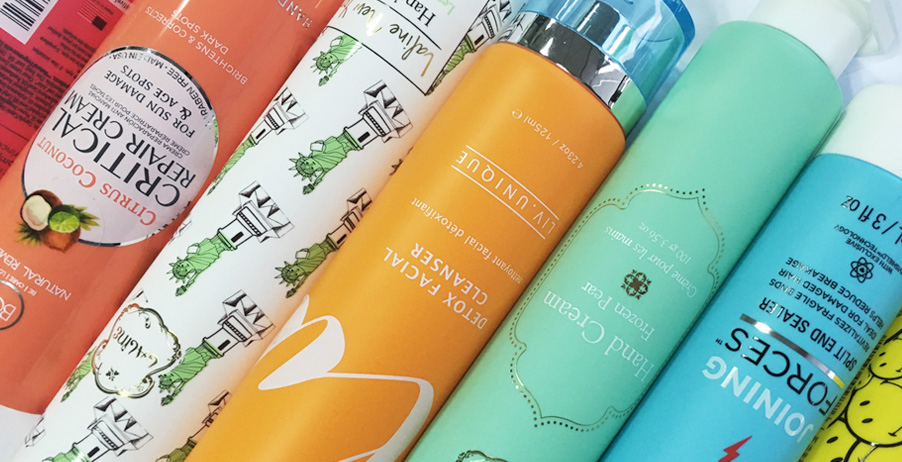
Sugar cane tubes
As one of a few renowned tube manufacturers from China, we made sure to include ecological products within our offer. Sugar cane tubes are made from bio-based polyethylene (at least 96%), which is obtained from sugar cane. This type of packaging does not consist of potentially harmful Biosfenol. This eco friendly squeeze tube can be easily recycled.
PCR plastic tubes
Our offer includes sustainable tube packaging manufactured from materials obtained by recycling plastic waste from individual households in the China. Xinfly Packaging cares deeply about the environment, which is why we wanted to include PCR plastic tubes in our collection of products. We are going to make sure our tubes meet all your expectations.
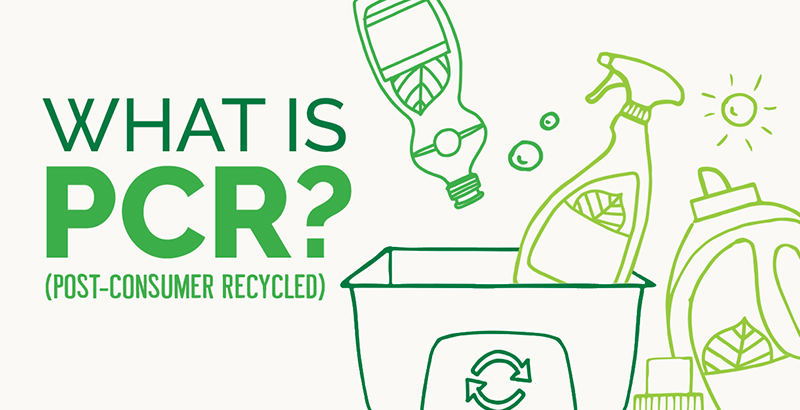
ABL Tube
The ABL (Aluminium Barrier Laminate) tube consists of multiple PE layers, in which an aluminum barrier is embedded (aluminum barrier laminate).
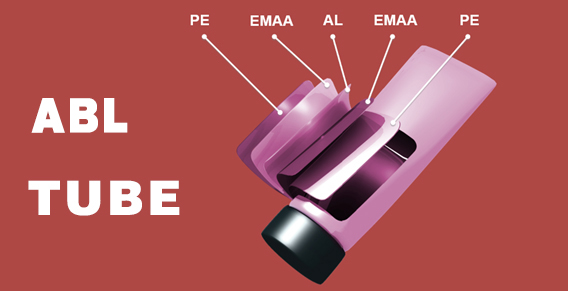
PBL Tube
The PBL (Plastic Barrier Laminate) tube is a laminate tube without aluminum and is completely produced from plastic (plastic barrier laminate)
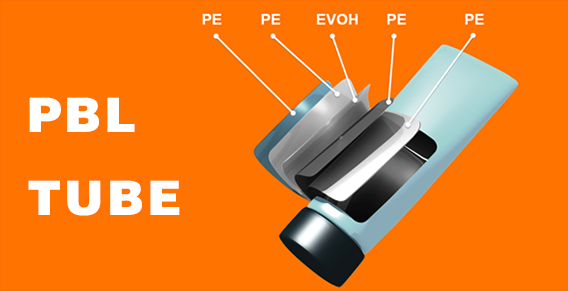
Aluminum Tube
Made of high-purity aluminum, environmentally friendly, recyclable, sturdy, and durable.
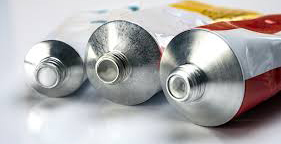
Why choose us?
Jiangsu Xinfly Packaging Co.Ltd

Certification
The company's production facilities have achieved ISO-9001:2008 and ISO 1400 certified quality awards. All certified

Logistics Services
The company maintains long-term cooperation with logistics companies such as DHL, Debon, UPS and SF Express, with a fast, convenient and high-quality logistics service system, so that customers can rest assured

Professional Service
The company has a professional sales and technical support team to understand and communicate with customers about the application of products at any time, and provide one-to-one efficient and professional services

Quality Assurance
The company's products all implement STD and EIA standards, fully automated production, so that all parameters of each product are 100% tested more than 5 times to ensure 100% product quality

Timely Delivery
The company has accurate expected stocking and maintains a stable safety stock to meet customers' urgent needs and bulk purchasing needs. We produce 200,000 tubes per day.

3rd Party Inspection
The company's products are sampled every year and sent to third-party inspections (such as SGS and UL), in line with UL, RoHs, REACH and environmental protection requirements of various countries
Design your own tube!
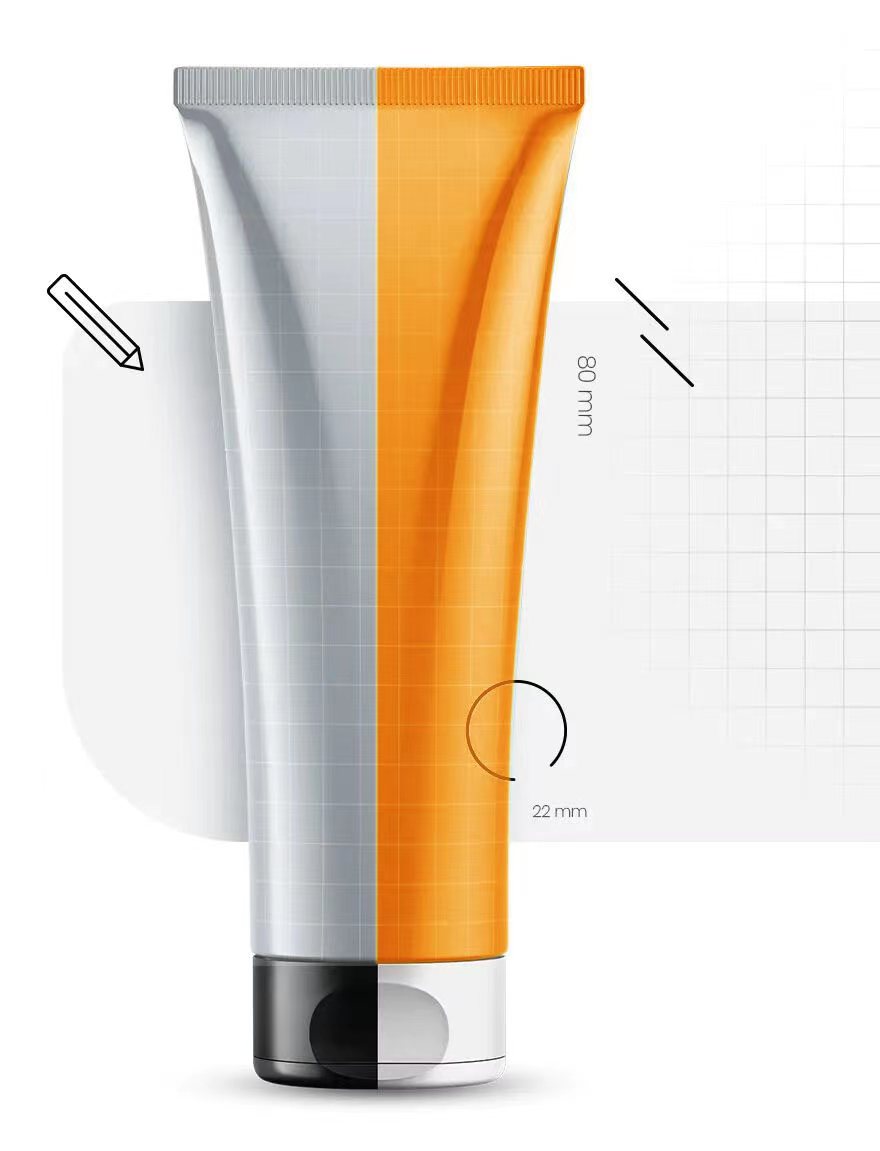
JEFF SHAO
CEO
Founder of Jiangsu Xinly Packaging Co., Ltd. 15 years of experience in cosmetic tube production, sales and design.

MARK XUE
SALES DIRECTOR
Engaged in cosmetic tube sales for 11 years.
Make cosmetic tube solution for many brands.

VIKKI LEE
DESIGNER DIRECTOR
7 years of cosmetic packaging design experience, handling more than 1,000 cosmetic tube designs every year. Has rich design experience.

Just-in-Time Production
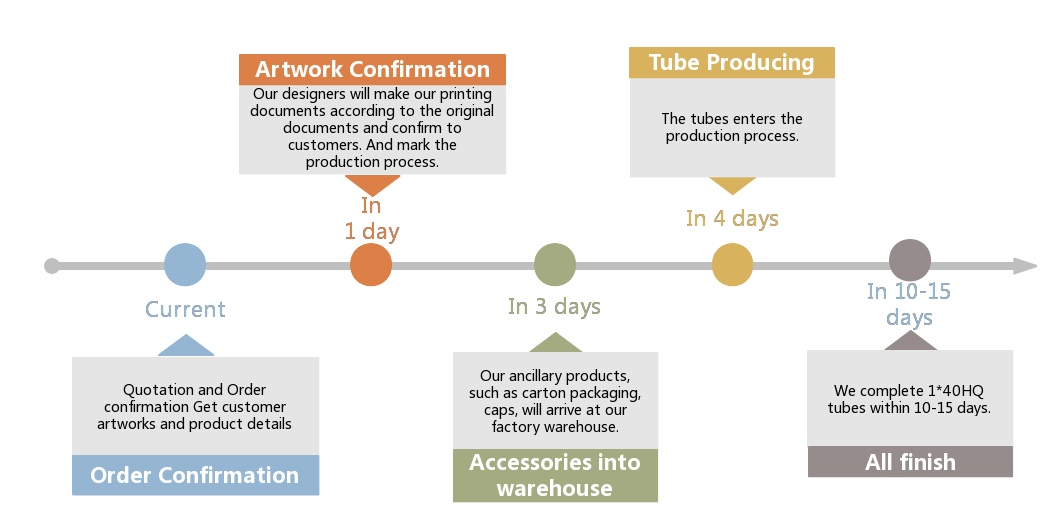
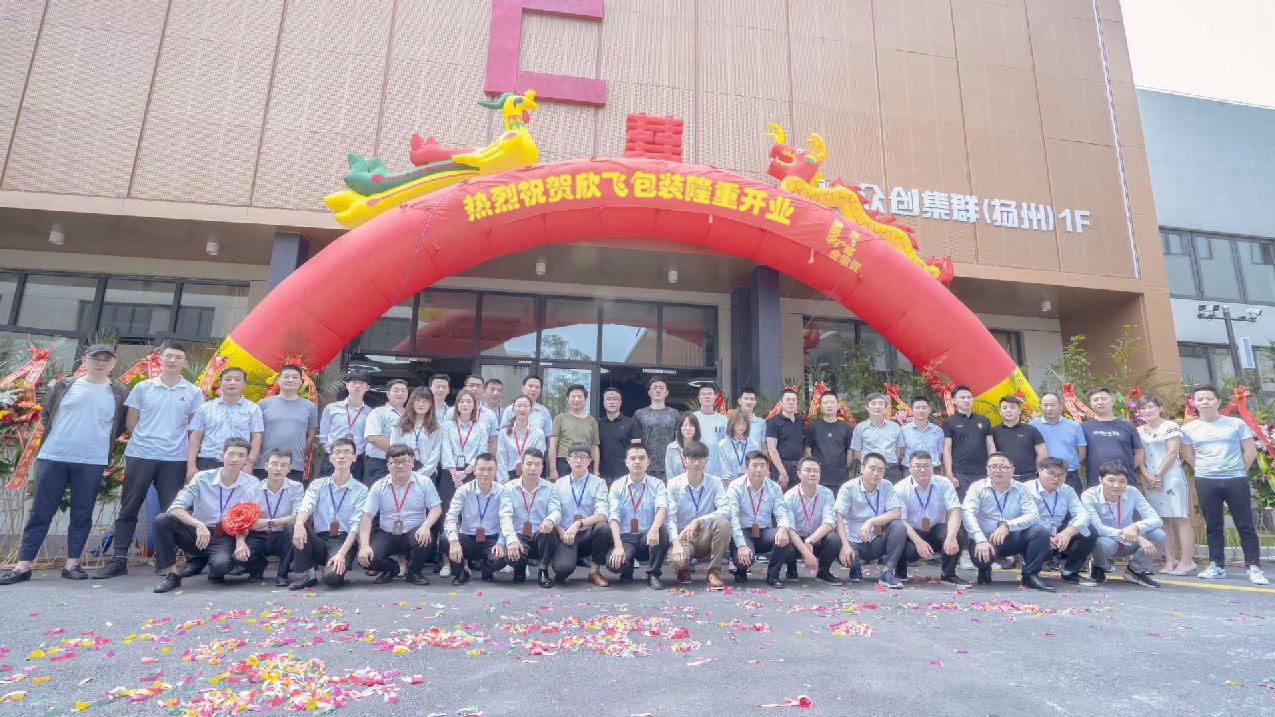
-
22 2020 / 06
top Reco Jiangsu Xinfly Packaging Co., Ltd. was established

With the expansion of the company's business, Jiangsu Xinfly Packaging Co., Ltd.
-
16 2019 / 09
top Reco Jiangsu Xinfly Packaging Co., Ltd. Yangzhou Sales Department was established
Jiangsu Xinfly Packaging Co., Ltd. Yangzhou Sales Department was established. With the expansion of the company's business, Jiangsu Xinfly Packaging Co., Ltd. set up a sales office in Yangzhou in orde
-
22 2019 / 06
top Reco Taiwan Office (Taiwan Bintai Enterprise)
Xinfly Packaging signed a strategic cooperation agreement with Taiwan Bintai Ent
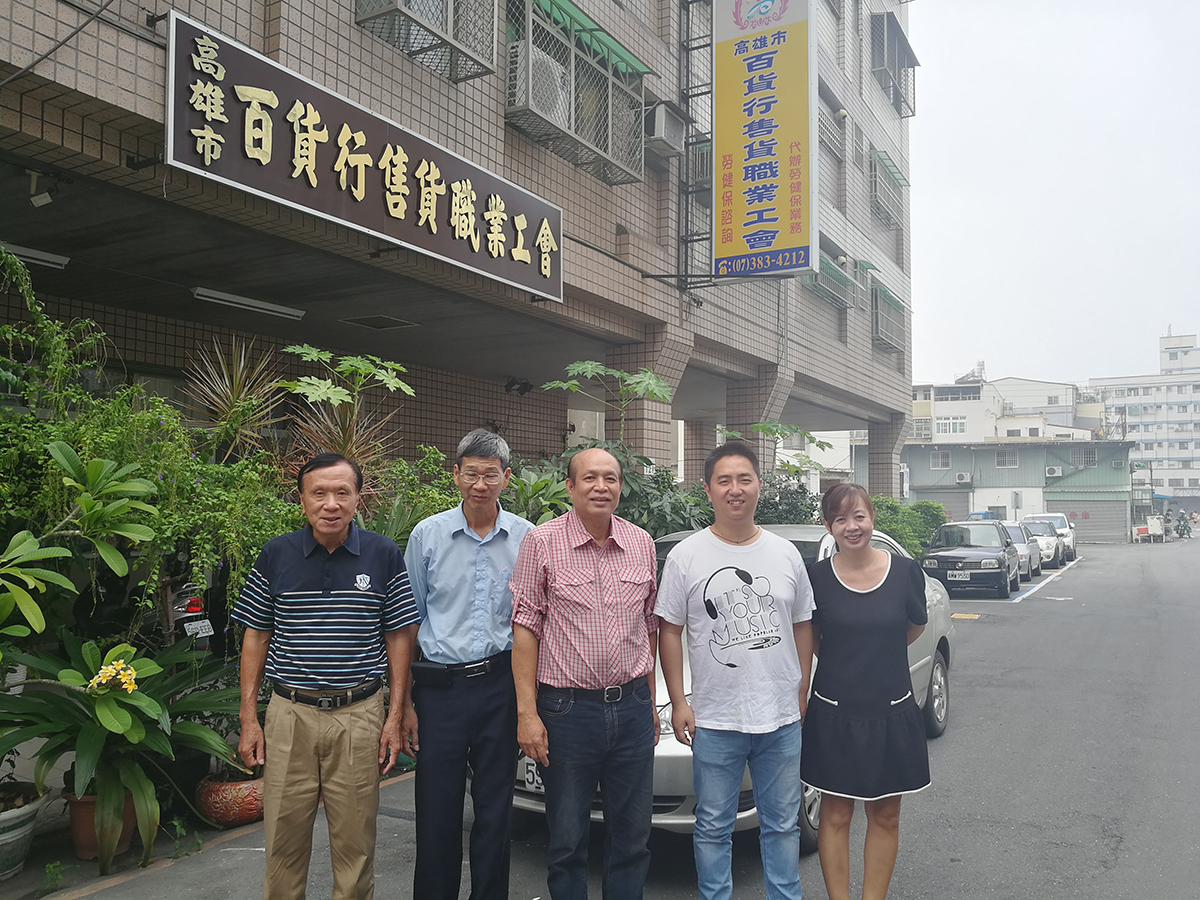

Create Cosmetic Brands
Xinfly Packaging is with you...
Contact US for Free Consultation and Samples
Ps. Normally we will reply all your inquiries/replies within 24 hours!


copyright © 2015-2025 Jiangsu Xinfly Packaging Co.,Ltd sitemap cosmetic tube packaging cosmetic tube cosmetic tube manufacturer

