
PCR vs Sugarcane Cosmetic Tubes: Which Sustainable Option Is Better for Your Brand? | Xinfly Packaging
Time: 2025-10-27 22:32:44
Author: Jiangsu Xinfly Packaging Co.,Ltd
Click:
PCR vs Sugarcane Cosmetic Tubes: Which Sustainable Option Is Better for Your Bra
PCR vs Sugarcane Cosmetic Tubes: Which Sustainable Option Is Better for Your Brand?
Packaging teams often ask a simple question with a not-so-simple answer: should we choose PCR (post-consumer recycled) plastic tubes or sugarcane (bio-based) tubes? This guide explains materials, carbon impact, printability, cost and MOQ, and gives you a practical decision checklist—all from a cosmetics packaging perspective.
Quick Definitions
PCR Tubes
PCR means plastic made from consumer-used items (like bottles) that were collected, sorted, and reprocessed. PCR PE can replace virgin PE in tube bodies with minimal line changes, reducing demand for fossil-based resin and diverting waste from landfills.
Sugarcane Tubes
Sugarcane tubes use bio-ethanol from sugarcane to produce bio-PE. Chemically similar to traditional PE, bio-PE runs on standard tube lines and typically fits existing PE recycling streams while improving the share of renewable content.
At-a-Glance Comparison
| Dimension | PCR Plastic Tubes | Sugarcane Bio-based Tubes |
|---|---|---|
| Source | Post-consumer recycled PE; circular economy focus (uses existing waste) | Renewable sugarcane → bio-ethanol → bio-PE; lowers fossil feedstock use |
| Recyclability | Generally recyclable wherever PE tubes are accepted; color/impurity may affect stream quality | Recycles with PE in most systems due to similar polymer structure |
| Carbon Story | Reduces demand for virgin resin and keeps plastics in circulation | Bio-based origin can improve cradle-to-gate footprint; not the same as biodegradable |
| Appearance & Print | May have a slight gray cast at higher PCR%; transparent shades can be limited | Looks close to virgin PE; easier to achieve bright whites and brand colors |
| Performance | 30–60% PCR is a common sweet spot balancing strength and sustainability | Comparable to PE; add barrier layers (EVOH/foil) for formulas that require it |
| Cost & MOQ | Usually more accessible; established supply chains | Often higher than virgin; depends on market and bio-PE availability |
| Best For | Brands highlighting “recycled content” and waste reduction | Brands emphasizing “renewable materials” and clean visual finishes |
Pro tip: A hybrid strategy works well—e.g., PCR tube bodies with sugarcane caps—balancing circularity, visuals, and cost while telling a richer sustainability story.
Design & Printing Considerations
Color & Opacity
PCR content can introduce a subtle base tint, especially at higher percentages. If your brand system depends on ultra-bright whites or crystal translucency, sugarcane tubes generally make color matching simpler.
Decoration Methods
Both options are compatible with common finishes—silkscreen, hot stamping, offset—and can be produced in ABL, PBL, COEX structures. For challenging formulas or high glamour effects, request adhesion tests on your exact artwork.
Barrier & Compatibility
Actives like retinol, acids, or essential oils may require a barrier layer (e.g., EVOH). Ask for migration tests and provide MSDS/INCI to your manufacturer to recommend the right structure.
Sustainability & Compliance
Claims & Clarity
Be precise in marketing: PCR means “recycled content,” not biodegradable. Sugarcane means “bio-based,” also not biodegradable in typical conditions. Clear language protects consumer trust and aligns with FTC/EU guidance.
End-of-Life Reality
Access to tube recycling varies by region. Always pair material choices with disposal instructions (How2Recycle-style icons in North America or local equivalents) to increase real-world recovery.
Cost, MOQ, and Lead Time
Because PCR resin supply is broad, PCR tubes often offer friendlier MOQs and pricing. Bio-PE availability is improving, but lead times can fluctuate with agricultural cycles and demand. Share your forecast early to lock capacity.
When to Choose Which
Pick PCR if you prioritize…
- Highlighting “made from recycled plastic” and circular economy messaging
- Accessible MOQs and competitive cost
- Good performance with 30–60% PCR where color tolerance is acceptable
Pick Sugarcane if you prioritize…
- “Renewable material” storytelling with clean, bright color results
- Visual uniformity across premium lines
- Comparable recyclability to PE where infrastructure exists
Or Mix Strategically
Test a flagship SKU in sugarcane for brand storytelling, keep core SKUs in PCR for scale, or combine PCR bodies with sugarcane closures. Measure consumer response and iterate.
Example Applications
FAQs
Are sugarcane tubes biodegradable?
No—most sugarcane tubes are bio-based PE with the same end-of-life as PE. They are renewable in origin but not designed to biodegrade in home settings.
What PCR percentage should I target?
30–60% is a common balance between aesthetics and strength. Higher ratios are possible—request samples and run-line tests for your artwork and formula.
Can both options achieve premium finishes?
Yes. Silkscreen, offset, and hot stamping all work. For mirror foils and deep blacks, sugarcane’s cleaner base may give you an edge.
Which has a lower carbon footprint?
It depends on your region and LCA assumptions. PCR prevents new resin demand and diverts waste; sugarcane increases renewable content. Many brands use both.
Are these tubes recyclable?
Where PE tubes are accepted, both typically fit the stream. Always check local rules and add disposal guidance to packaging.
Ready to customize sustainable tubes? Our team can quote PCR, sugarcane, ABL/PBL/COEX, decorative options, and lead times.

点击右上角
分享给朋友吧







 Long by picture save/share
0
文章推荐
How to Choose the Right Cosmetic Tube Supplier for Your Brand
How to Choose the Right Cosmetic Tube Manufacturer for Your Brand in 2025
Jiangsu Xinfly Packaging Co., Ltd. was established
Jiangsu Xinfly Packaging Co., Ltd. Yangzhou Sales Department was established
Taiwan Office (Taiwan Bintai Enterprise)
PCR vs Sugarcane Cosmetic Tubes: Which Sustainable Option Is Better for Your Brand? | Xinfly Packaging
Time: 2025-10-27 22:32:44
Author: Jiangsu Xinfly Packaging Co.,Ltd
Click:
PCR vs Sugarcane Cosmetic Tubes: Which Sustainable Option Is Better for Your Bra
PCR vs Sugarcane Cosmetic Tubes: Which Sustainable Option Is Better for Your Brand?
Packaging teams often ask a simple question with a not-so-simple answer: should we choose PCR (post-consumer recycled) plastic tubes or sugarcane (bio-based) tubes? This guide explains materials, carbon impact, printability, cost and MOQ, and gives you a practical decision checklist—all from a cosmetics packaging perspective.
Quick Definitions
PCR Tubes
PCR means plastic made from consumer-used items (like bottles) that were collected, sorted, and reprocessed. PCR PE can replace virgin PE in tube bodies with minimal line changes, reducing demand for fossil-based resin and diverting waste from landfills.
Sugarcane Tubes
Sugarcane tubes use bio-ethanol from sugarcane to produce bio-PE. Chemically similar to traditional PE, bio-PE runs on standard tube lines and typically fits existing PE recycling streams while improving the share of renewable content.
At-a-Glance Comparison
| Dimension | PCR Plastic Tubes | Sugarcane Bio-based Tubes |
|---|---|---|
| Source | Post-consumer recycled PE; circular economy focus (uses existing waste) | Renewable sugarcane → bio-ethanol → bio-PE; lowers fossil feedstock use |
| Recyclability | Generally recyclable wherever PE tubes are accepted; color/impurity may affect stream quality | Recycles with PE in most systems due to similar polymer structure |
| Carbon Story | Reduces demand for virgin resin and keeps plastics in circulation | Bio-based origin can improve cradle-to-gate footprint; not the same as biodegradable |
| Appearance & Print | May have a slight gray cast at higher PCR%; transparent shades can be limited | Looks close to virgin PE; easier to achieve bright whites and brand colors |
| Performance | 30–60% PCR is a common sweet spot balancing strength and sustainability | Comparable to PE; add barrier layers (EVOH/foil) for formulas that require it |
| Cost & MOQ | Usually more accessible; established supply chains | Often higher than virgin; depends on market and bio-PE availability |
| Best For | Brands highlighting “recycled content” and waste reduction | Brands emphasizing “renewable materials” and clean visual finishes |
Pro tip: A hybrid strategy works well—e.g., PCR tube bodies with sugarcane caps—balancing circularity, visuals, and cost while telling a richer sustainability story.
Design & Printing Considerations
Color & Opacity
PCR content can introduce a subtle base tint, especially at higher percentages. If your brand system depends on ultra-bright whites or crystal translucency, sugarcane tubes generally make color matching simpler.
Decoration Methods
Both options are compatible with common finishes—silkscreen, hot stamping, offset—and can be produced in ABL, PBL, COEX structures. For challenging formulas or high glamour effects, request adhesion tests on your exact artwork.
Barrier & Compatibility
Actives like retinol, acids, or essential oils may require a barrier layer (e.g., EVOH). Ask for migration tests and provide MSDS/INCI to your manufacturer to recommend the right structure.
Sustainability & Compliance
Claims & Clarity
Be precise in marketing: PCR means “recycled content,” not biodegradable. Sugarcane means “bio-based,” also not biodegradable in typical conditions. Clear language protects consumer trust and aligns with FTC/EU guidance.
End-of-Life Reality
Access to tube recycling varies by region. Always pair material choices with disposal instructions (How2Recycle-style icons in North America or local equivalents) to increase real-world recovery.
Cost, MOQ, and Lead Time
Because PCR resin supply is broad, PCR tubes often offer friendlier MOQs and pricing. Bio-PE availability is improving, but lead times can fluctuate with agricultural cycles and demand. Share your forecast early to lock capacity.
When to Choose Which
Pick PCR if you prioritize…
- Highlighting “made from recycled plastic” and circular economy messaging
- Accessible MOQs and competitive cost
- Good performance with 30–60% PCR where color tolerance is acceptable
Pick Sugarcane if you prioritize…
- “Renewable material” storytelling with clean, bright color results
- Visual uniformity across premium lines
- Comparable recyclability to PE where infrastructure exists
Or Mix Strategically
Test a flagship SKU in sugarcane for brand storytelling, keep core SKUs in PCR for scale, or combine PCR bodies with sugarcane closures. Measure consumer response and iterate.
Example Applications
FAQs
Are sugarcane tubes biodegradable?
No—most sugarcane tubes are bio-based PE with the same end-of-life as PE. They are renewable in origin but not designed to biodegrade in home settings.
What PCR percentage should I target?
30–60% is a common balance between aesthetics and strength. Higher ratios are possible—request samples and run-line tests for your artwork and formula.
Can both options achieve premium finishes?
Yes. Silkscreen, offset, and hot stamping all work. For mirror foils and deep blacks, sugarcane’s cleaner base may give you an edge.
Which has a lower carbon footprint?
It depends on your region and LCA assumptions. PCR prevents new resin demand and diverts waste; sugarcane increases renewable content. Many brands use both.
Are these tubes recyclable?
Where PE tubes are accepted, both typically fit the stream. Always check local rules and add disposal guidance to packaging.
Ready to customize sustainable tubes? Our team can quote PCR, sugarcane, ABL/PBL/COEX, decorative options, and lead times.
点击右上角
分享给朋友吧
Long by picture save/share
0
More News
How to Choose the Right Cosmetic Tube Supplier for Your Brand
How to Choose the Right Cosmetic Tube Manufacturer for Your Brand in 2025
Jiangsu Xinfly Packaging Co., Ltd. was established
Jiangsu Xinfly Packaging Co., Ltd. Yangzhou Sales Department was established
Taiwan Office (Taiwan Bintai Enterprise)
Customized Cosmetic Tubes Packaging
One-stop Solutions by Xinfly Packaging
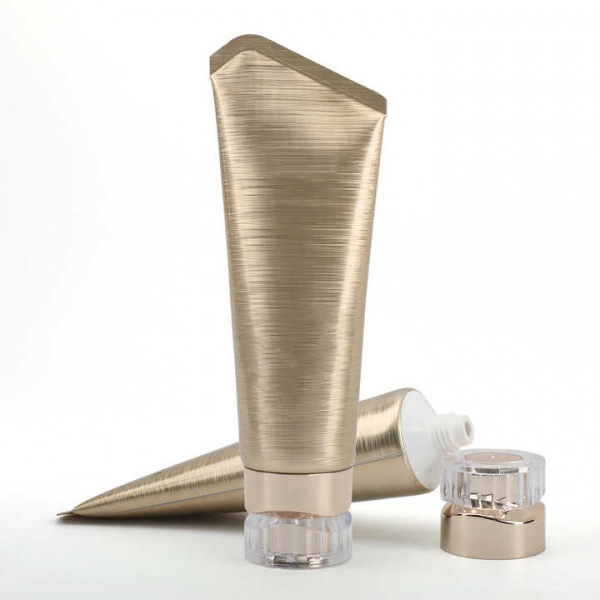
Empty Tube Cosmetic Cream Lotion Facial Cleanser Tubes Gold High Glossy ABL Plastic 100ml 120ml Cosmetic Packaging Round
Empty Tube Cosmetic Cream Lotion Facial Cleanser Tubes Gold High Glossy ABL Plastic 100ml 120ml Cosmetic Packaging Round Tube Manufacturer at www.cosmetic-tube.net
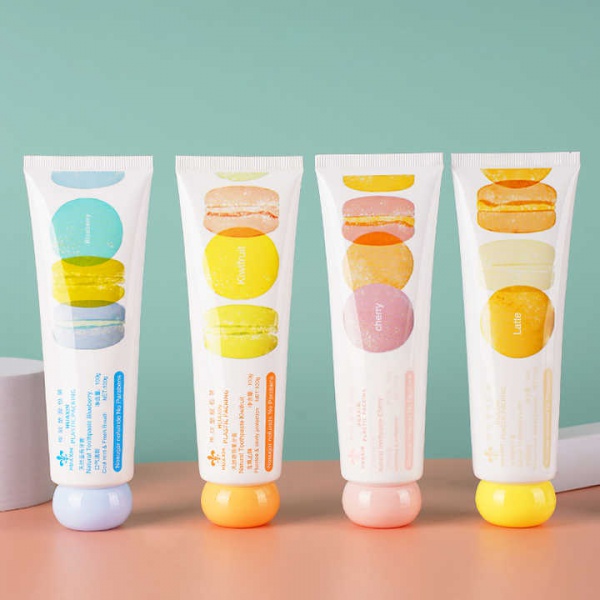
100g Cosmetic Plastic Cream Soft Plastic Tube Laminated Soft Plastic Toothpaste Tube Packaging With Screw Lid
100g Cosmetic Plastic Cream Soft Plastic Tube Laminated Soft Plastic Toothpaste Tube Packaging With Screw Lid Manufacturer at www.cosmetic-tube.net
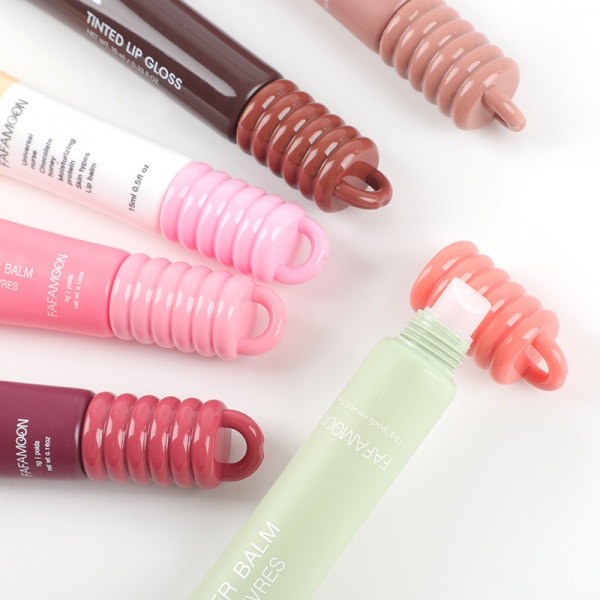
Manufacturers wholesale new empty lipstick tubes hang pendantslip gloss squeeze tube
Manufacturers wholesale new empty lipstick tubes hang pendantslip gloss squeeze tube with Custom logo at www.cosmetic-tube.net
Diameter: 16mm-60mm
Length: adjusted within the range of tube capacity (3ml to 500ml)
Layer: mono-layer,double-layer and 5layers tube
Shape: round,oval,super flat
Material: LDPE,HDPE,MDPE,LLDPE,SOFT TOUCH,EVOH
Tube color: white, transparent,colored
Printing: 1-6 colors offset ,silk cosmetic tube

Hot Sale Squeeze PETG Eye Cream Tube Lip Gloss Tubes Lip Balm Packaging Custom Volume Replaceable Head with Custom logo
Hot Sale Squeeze PETG Eye Cream Tube Lip Gloss Tubes Lip Balm Packaging Custom Volume Replaceable Head with Custom logo at www.cosmetic-tube.net
Diameter: 16mm-60mm
Length: adjusted within the range of tube capacity (3ml to 500ml)
Layer: mono-layer,double-layer and 5layers tube
Shape: round,oval,super flat
Material: LDPE,HDPE,MDPE,LLDPE,SOFT TOUCH,EVOH
Tube color: white, transparent,colored
Printing: 1-6 colors offset ,silk cosmetic tube

OEM/ODM Plastic Tube Empty PE Tube Skin Cream Cleanser Face Cream Sunscreen Cosmetic Packaging Squeeze Tube Manufacturer
OEM/ODM Plastic Tube Empty PE Tube Skin Cream Cleanser Face Cream Sunscreen Cosmetic Packaging Squeeze Tube Manufacturer at www.cosmetic-tube.net
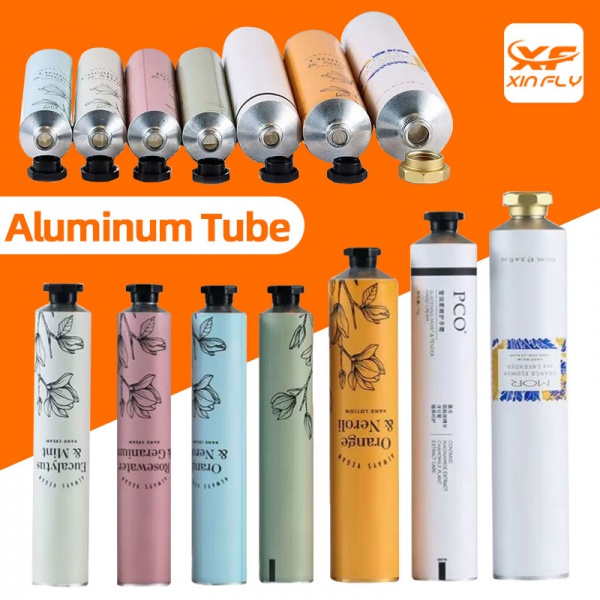
50-100ML Aluminium Collapsible Tubes Hand Cream Tube With Octagonal Top
50-100ML Aluminium Collapsible Tubes Hand Cream Tube With Octagonal Top manufacturers and suppliers at www.cosmetic-tube.net
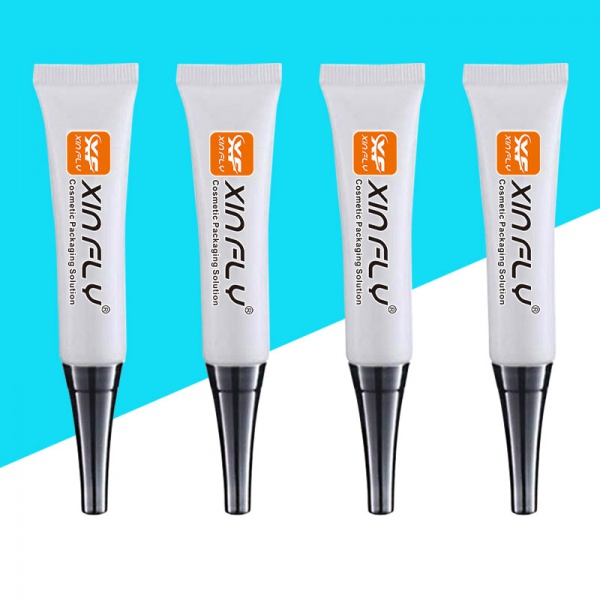
Manufacturer Empty PE Eye Cream Tube Cosmetic Packaging Squeeze Tube with Long Nozzle Custom Medical Gel Container
Manufacturer Empty PE Eye Cream Tube Cosmetic Packaging Squeeze Tube with Long Nozzle Custom Medical Gel Container from Jiangsu Xinfly Packaging Co.,LTD at www.cosmetic-tube.net
Diameter: 16mm-60mm
Length: adjusted within the range of tube capacity (3ml to 500ml)
Layer: mono-layer,double-layer and 5layers tube
Shape: round,oval,super flat
Material: LDPE,HDPE,MDPE,LLDPE,SOFT TOUCH,EVOH
Tube color: white, transparent,colored
Printing: 1-6 colors offset ,silk cosmetic tube
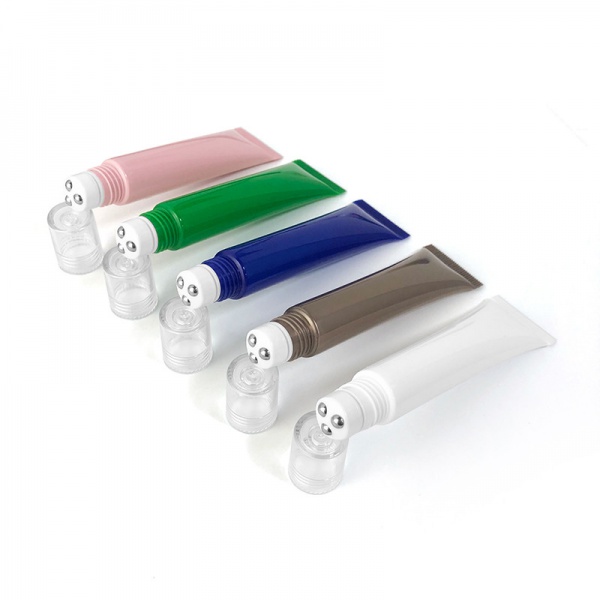
empty packaging cosmetic eyecream tube with steel ball applicator head
empty packaging cosmetic eyecream tube with steel ball applicator head from Jiangsu Xinfly Packaging Co.,LTD at www.cosmetic-tube.net
Diameter: 16mm-60mm
Length: adjusted within the range of tube capacity (3ml to 500ml)
Layer: mono-layer,double-layer and 5layers tube
Shape: round,oval,super flat
Material: LDPE,HDPE,MDPE,LLDPE,SOFT TOUCH,EVOH
Tube color: white, transparent,colored
Printing: 1-6 colors offset ,silk cosmetic tube
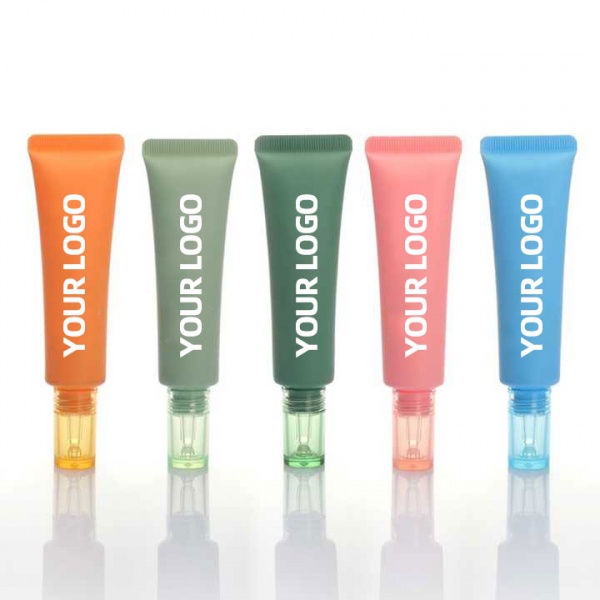
Manufacturer Oem/Odm Customized Soft Plastic Skin Cream Lotion Pe Empty Tube Cosmetic Packaging Composite Nozzle Tubes
Manufacturer Oem/Odm Customized Soft Plastic Skin Cream Lotion Pe Empty Tube Cosmetic Packaging Composite Nozzle Tubes from Jiangsu Xinfly Packaging Co.,LTD at www.cosmetic-tube.net
Diameter: 16mm-60mm
Length: adjusted within the range of tube capacity (3ml to 500ml)
Layer: mono-layer,double-layer and 5layers tube
Shape: round,oval,super flat
Material: LDPE,HDPE,MDPE,LLDPE,SOFT TOUCH,EVOH
Tube color: white, transparent,colored
Printing: 1-6 colors offset ,silk cosmetic tube

10g 10ml 15ml Empty Custom Color Squeeze Tube lip Gloss Lipstick lip Balm Squeeze Tube Packaging Plastic Tube
10g 10ml 15ml Empty Custom Color Squeeze Tube lip Gloss Lipstick lip Balm Squeeze Tube Packaging Plastic Tube at www.cosmetic-tube.net
Diameter: 16mm-60mm
Length: adjusted within the range of tube capacity (3ml to 500ml)
Layer: mono-layer,double-layer and 5layers tube
Shape: round,oval,super flat
Material: LDPE,HDPE,MDPE,LLDPE,SOFT TOUCH,EVOH
Tube color: white, transparent,colored
Printing: 1-6 colors offset ,silk cosmetic tube
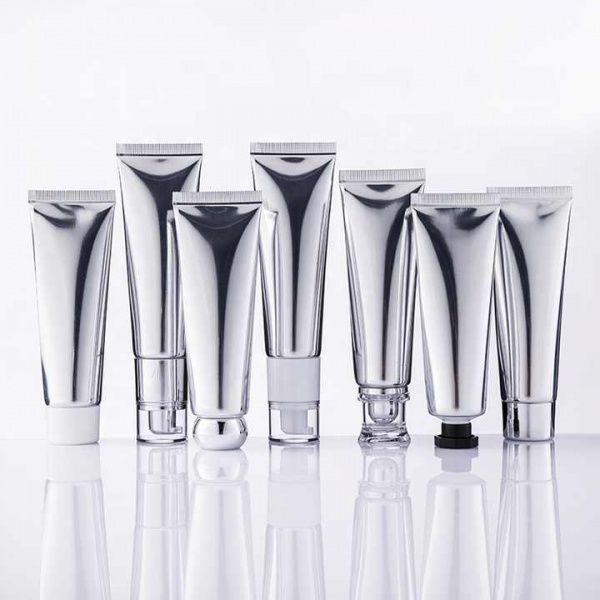
50ml Silver Metallic Glossy Aluminum Laminated Cosmetics Tubes
50ml Silver Metallic Glossy Aluminum Laminated Cosmetics Tubes Cosmetic Tube manufacturers and suppliers at www.cosmetic-tube.net
Diameter: 16mm-60mm
Length: adjusted within the range of tube capacity (3ml to 500ml)
Layer: mono-layer,double-layer and 5layers tube
Shape: round,oval,super flat
Material: LDPE,HDPE,MDPE,LLDPE,SOFT TOUCH,EVOH
Tube color: white, transparent,colored
Printing: 1-6 colors offset ,silk cosmetic tube
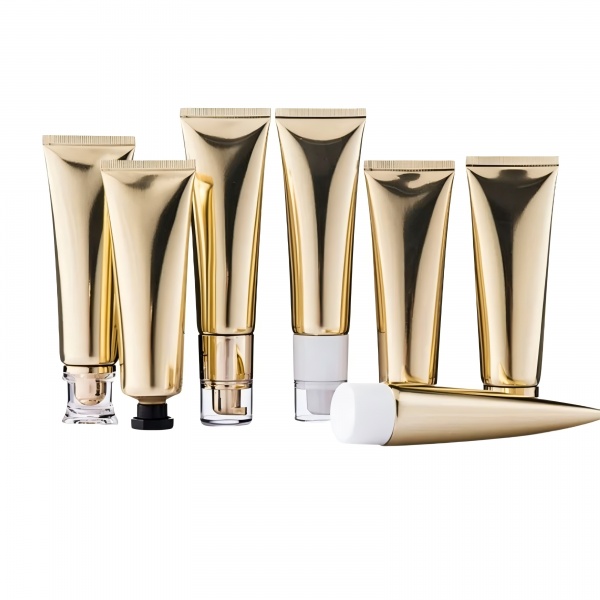
ABL shiny metallic packing with style Gold Aluminum Plastic Cream tube airless Facial Cleansing Cosmetic Tube
ABL shiny metallic packing with style Gold Aluminum Plastic Cream tube airless Facial Cleansing Cosmetic Tube manufacturers and suppliers at www.cosmetic-tube.net
Diameter: 16mm-60mm
Length: adjusted within the range of tube capacity (3ml to 500ml)
Layer: mono-layer,double-layer and 5layers tube
Shape: round,oval,super flat
Material: LDPE,HDPE,MDPE,LLDPE,SOFT TOUCH,EVOH
Tube color: white, transparent,colored
Printing: 1-6 colors offset ,silk cosmetic tube
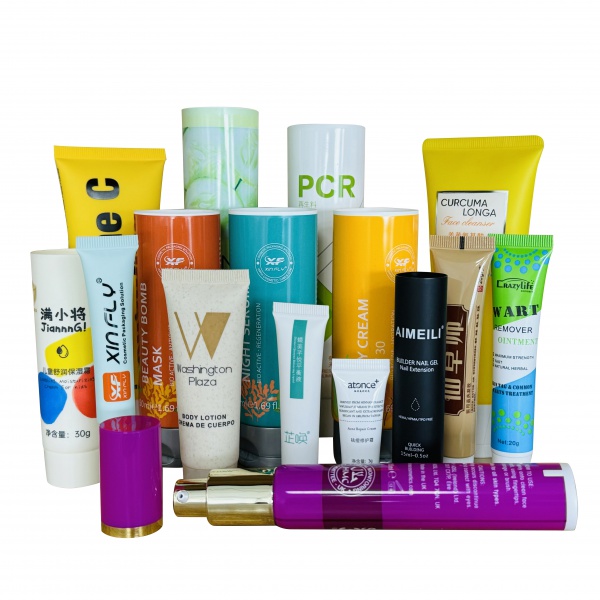
Cosmetic Tube Packaging Cosmetics Container
Cosmetic Tube,Packaging Cosmetics Container manufacturers and suppliers at www.cosmetic-tube.net
Diameter: 16mm-60mm
Length: adjusted within the range of tube capacity (3ml to 500ml)
Layer: mono-layer,double-layer and 5layers tube
Shape: round,oval,super flat
Material: LDPE,HDPE,MDPE,LLDPE,SOFT TOUCH,EVOH
Tube color: white, transparent,colored
Printing: 1-6 colors offset ,silk cosmetic tube
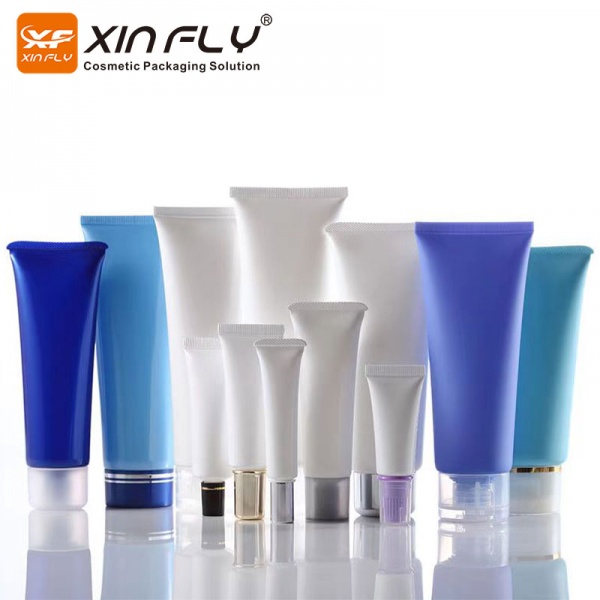
Plastic cosmetic tube manufacturers and suppliers
Plastic cosmetic tube manufacturers and suppliers at www.cosmetic-tube.net
Diameter: 16mm-60mm
Length: adjusted within the range of tube capacity (3ml to 500ml)
Layer: mono-layer,double-layer and 5layers tube
Shape: round,oval,super flat
Material: LDPE,HDPE,MDPE,LLDPE,SOFT TOUCH,EVOH
Tube color: white, transparent,colored
Printing: 1-6 colors offset ,silk cosmetic tube
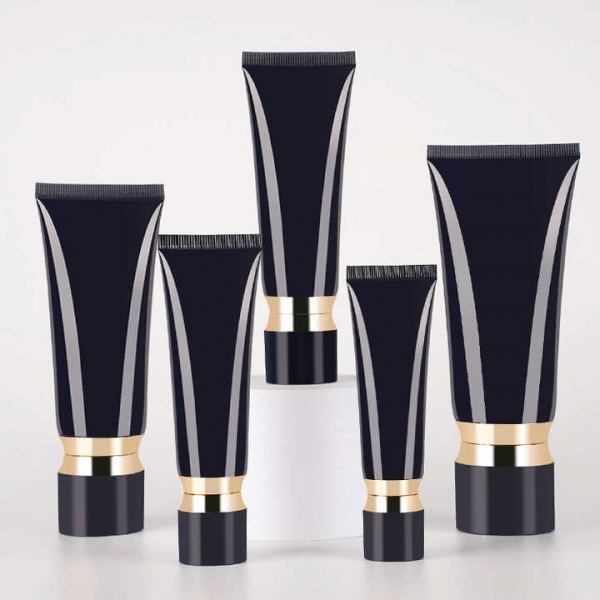
Black 120ml 150ml skin care tube cosmetic plastic packaging tube BB CC cream round plastic packaging tube with screw cap
black 120ml 150ml skin care tube cosmetic plastic packaging tube BB CC cream round plastic packaging tube with screw cap at www.cosmetic-tube.net
Diameter: 16mm-60mm
Length: adjusted within the range of tube capacity (3ml to 500ml)
Layer: mono-layer,double-layer and 5layers tube
Shape: round,oval,super flat
Material: LDPE,HDPE,MDPE,LLDPE,SOFT TOUCH,EVOH
Tube color: white, transparent,colored
Printing: 1-6 colors offset ,silk cosmetic tube
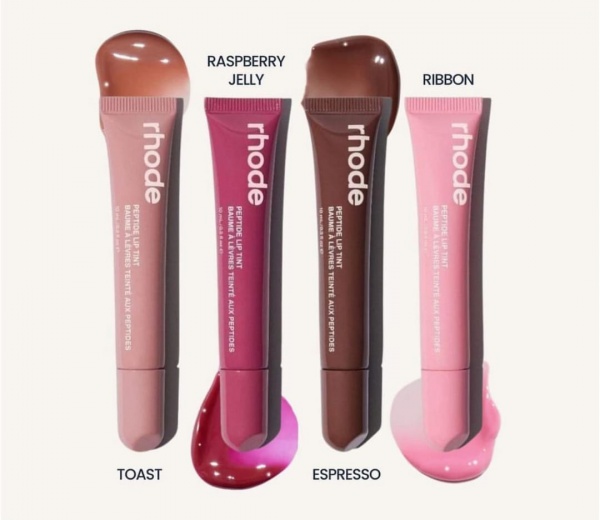
Lipgloss Lip Lipgloss Gloss squeeze tube Cosmetic Soft Tube Packaging
Lipgloss Lip Lipgloss Gloss squeeze tube Cosmetic Soft Tube Packaging at www.cosmetic-tube.net
Diameter: 16mm-60mm
Length: adjusted within the range of tube capacity (3ml to 500ml)
Layer: mono-layer,double-layer and 5layers tube
Shape: round,oval,super flat
Material: LDPE,HDPE,MDPE,LLDPE,SOFT TOUCH,EVOH
Tube color: white, transparent,colored
Printing: 1-6 colors offset ,silk cosmetic tube
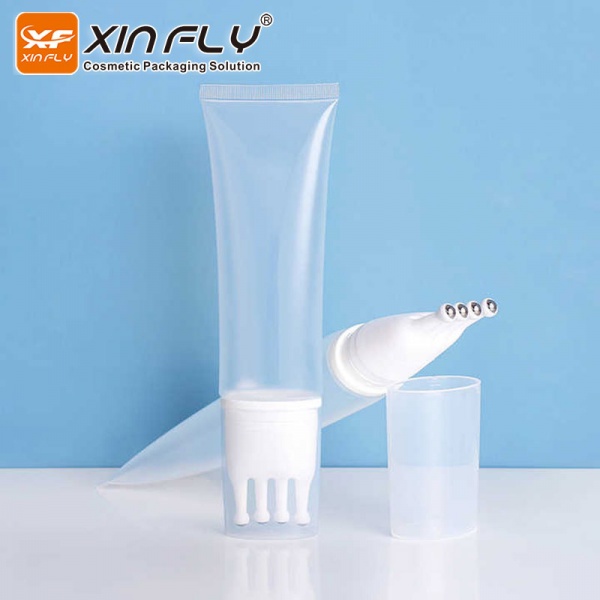
Empty Scalp Massage Skin Care Cream Tube Packaging With Head Massage Applicator With Metal Three Ball Portable Body Massage Tube
Empty Scalp Massage Skin Care Cream Tube Packaging With Head Massage Applicator With Metal Three Ball Portable Body Massage Tube at www.cosmetic-tube.net
Diameter: 16mm-60mm
Length: adjusted within the range of tube capacity (3ml to 500ml)
Layer: mono-layer,double-layer and 5layers tube
Shape: round,oval,super flat
Material: LDPE,HDPE,MDPE,LLDPE,SOFT TOUCH,EVOH
Tube color: white, transparent,colored
Printing: 1-6 colors offset ,silk cosmetic tube

wholesale empty 30ml 50ml 100ml 150ml white plastic PE cosmetic squeeze printing tube with flip top cover
wholesale empty 30ml 50ml 100ml 150ml white plastic PE cosmetic squeeze printing tube with flip top cover on www.cosmetic-tube.net
Diameter: 16mm-60mm
Length: adjusted within the range of tube capacity (3ml to 500ml)
Layer: mono-layer,double-layer and 5layers tube
Shape: round,oval,super flat
Material: LDPE,HDPE,MDPE,LLDPE,SOFT TOUCH,EVOH
Tube color: white, transparent,colored
Printing: 1-6 colors offset ,silk cosmetic tube

Empty 10ml 15ml 30ml 60ml Black Blackout Hard Acrylic UV Nail Extension Poly Building Gel Cosmetic Tube For Gel Packaging
Empty 10ml 15ml 30ml 60ml Black Blackout Hard Acrylic UV Nail Extension Poly Building Gel Cosmetic Tube For Gel Packaging at www.cosmetic-tube.net
Diameter: 16mm-60mm
Length: adjusted within the range of tube capacity (3ml to 500ml)
Layer: mono-layer,double-layer and 5layers tube
Shape: round,oval,super flat
Material: LDPE,HDPE,MDPE,LLDPE,SOFT TOUCH,EVOH
Tube color: white, transparent,colored
Printing: 1-6 colors offset ,silk cosmetic tube
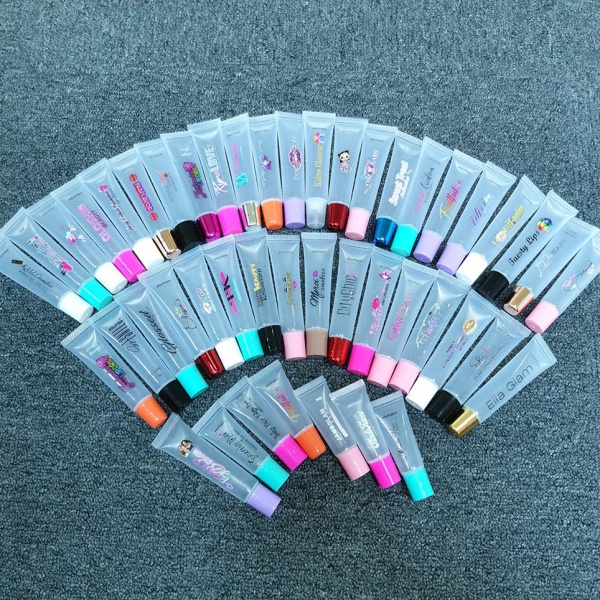
Empty Lip Gloss squeeze tubes
Empty Lip Gloss squeeze tubes from Jiangsu Xinfly Packaging Co.,LTD at www.cosmetic-tube.net
Diameter: 16mm-60mm
Length: adjusted within the range of tube capacity (3ml to 500ml)
Layer: mono-layer,double-layer and 5layers tube
Shape: round,oval,super flat
Material: LDPE,HDPE,MDPE,LLDPE,SOFT TOUCH,EVOH
Tube color: white, transparent,colored
Printing: 1-6 colors offset ,silk cosmetic tube

Empty Cosmetic Packaging Plastic Soft Squeeze Hotel Body Lotion Shampoo Conditioner Body Wash Tube Set
Empty Cosmetic Packaging Plastic Soft Squeeze Hotel Body Lotion Shampoo Conditioner Body Wash Tube Set - empty cosmetic packaging,empty cosmetic tube ,Body lotion tube,shampoo tube on www.cosmetic-tube.net
Diameter: 16mm-60mm
Length: adjusted within the range of tube capacity (3ml to 500ml)
Layer: mono-layer,double-layer and 5layers tube
Shape: round,oval,super flat
Material: LDPE,HDPE,MDPE,LLDPE,SOFT TOUCH,EVOH
Tube color: white, transparen

Eco Friendly Biodegradable Material Wheat Straw Tubes Packaging
Eco Friendly Biodegradable Material Wheat Straw Tubes Packaging - Wheat Straw Tubes,Cosmetic Tubes Packaging,Plastic Tube For Cosmetics,Recycled Plastic Tube,Biodegradable cosmetic tube on www.cosmetic-tube.net
Diameter: 16mm-60mm
Length: adjusted within the range of tube capacity (3ml to 500ml)
Layer: mono-layer,double-layer and 5layers tube
Shape: round,oval,super flat
Material: LDPE,HDPE,MDPE,LLDPE,SOFT TOUCH,EVOH
Tube color: white, transparen
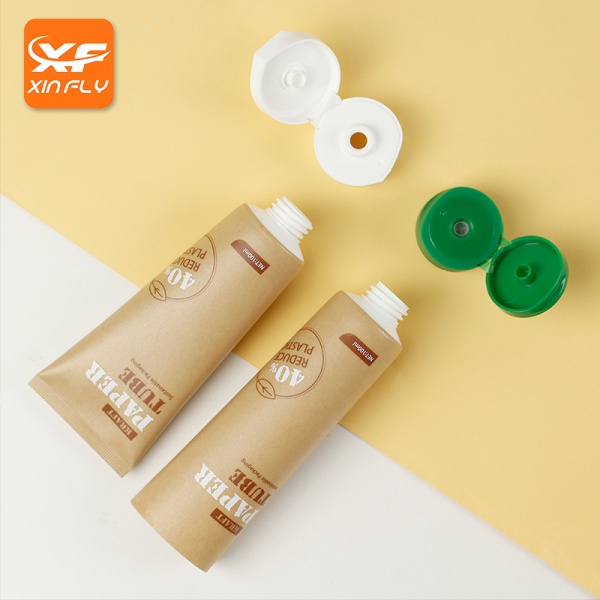
Recyclable 40% Kraft Paper Plastic Body Lotion Hand Cream Cosmetic Soft Tube Biodegradable squeeze tubes packaging
Recyclable 40% Paper Plastic Body Lotion Hand Cream Cosmetic Soft Tube Biodegradable squeeze tubes packaging - Paper Cosmetic Tube,Cosmetic Tubes Packaging,Plastic Tube For Cosmetics,Recycled Plastic Tube,Recycled cosmetic tube on www.cosmetic-tube.net
Diameter: 16mm-60mm
Length: adjusted within the range of tube capacity (3ml to 500ml)
Layer: mono-layer,double-layer and 5layers tube
Shape: round,oval,super flat
Material: LDPE,HDPE,MDPE,LLDPE,SOFT TOUCH,EVOH
Tube color: white, transparen

Eco-packaging Plastic PCR (Post-consumer Resin) Tubes Recycled Cosmetic Tube For Cosmetic Packaging
Eco-packaging Plastic PCR (Post-consumer Resin) Tubes Recycled Cosmetic Tube For Cosmetic Packaging - Pcr Tube,Cosmetic Tubes Packaging,Plastic Tube For Cosmetics Packaging Product on www.cosmetic-tube.net
Diameter: 16mm-60mm
Length: adjusted within the range of tube capacity (3ml to 500ml)
Layer: mono-layer,double-layer and 5layers tube
Shape: round,oval,super flat
Material: LDPE,HDPE,MDPE,LLDPE,SOFT TOUCH,EVOH
Tube color: white, transparent,colored
Printing: 1-6 colors offset ,silkscr
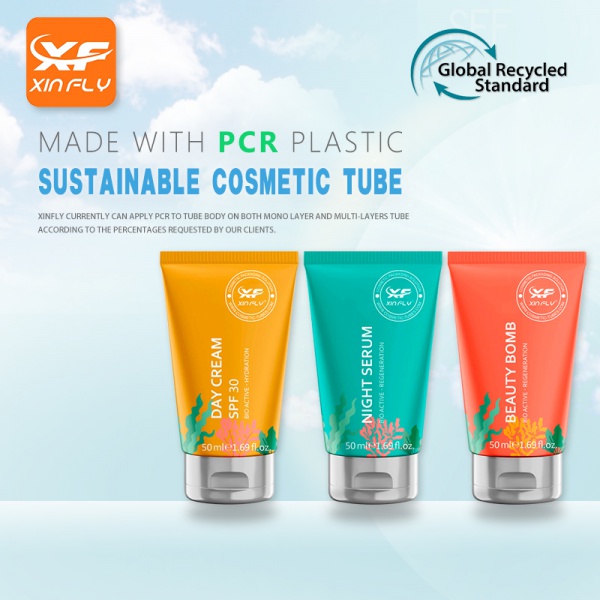
Customization Eco-friendly PCR Cosmetic Cream Lotion Cleanser Body Skincare Tube Packaging Recycled Plastic Tube
Customization Eco-friendly PCR Cosmetic Cream Lotion Cleanser Body Skincare Tube Packaging Recycled Plastic Tube - Pcr Tube,Cosmetic Tubes Packaging,Plastic Tube For Cosmetics Packaging Product on www.cosmetic-tube.net
Diameter: 16mm-60mm
Length: adjusted within the range of tube capacity (3ml to 500ml)
Layer: mono-layer,double-layer and 5layers tube
Shape: round,oval,super flat
Material: LDPE,HDPE,MDPE,LLDPE,SOFT TOUCH,EVOH
Tube color: white, transparent,colored
Coating: Glossy,Matte
Pr
Empty Tube Cosmetic Cream Lotion Facial Cleanser Tubes Gold High Glossy ABL Plastic 100ml 120ml Cosmetic Packaging Round
Empty Tube Cosmetic Cream Lotion Facial Cleanser Tubes Gold High Glossy ABL Plastic 100ml 120ml Cosmetic Packaging Round Tube Manufacturer at www.cosmetic-tube.net
100g Cosmetic Plastic Cream Soft Plastic Tube Laminated Soft Plastic Toothpaste Tube Packaging With Screw Lid
100g Cosmetic Plastic Cream Soft Plastic Tube Laminated Soft Plastic Toothpaste Tube Packaging With Screw Lid Manufacturer at www.cosmetic-tube.net
OEM/ODM Plastic Tube Empty PE Tube Skin Cream Cleanser Face Cream Sunscreen Cosmetic Packaging Squeeze Tube Manufacturer
OEM/ODM Plastic Tube Empty PE Tube Skin Cream Cleanser Face Cream Sunscreen Cosmetic Packaging Squeeze Tube Manufacturer at www.cosmetic-tube.net
50-100ML Aluminium Collapsible Tubes Hand Cream Tube With Octagonal Top
50-100ML Aluminium Collapsible Tubes Hand Cream Tube With Octagonal Top manufacturers and suppliers at www.cosmetic-tube.net
50ml Silver Metallic Glossy Aluminum Laminated Cosmetics Tubes
50ml Silver Metallic Glossy Aluminum Laminated Cosmetics Tubes Cosmetic Tube manufacturers and suppliers at www.cosmetic-tube.net
Diameter: 16mm-60mm
Length: adjusted within the range of tube capacity (3ml to 500ml)
Layer: mono-layer,double-layer and 5layers tube
Shape: round,oval,super flat
Material: LDPE,HDPE,MDPE,LLDPE,SOFT TOUCH,EVOH
Tube color: white, transparent,colored
Printing: 1-6 colors offset ,silk cosmetic tube
ABL shiny metallic packing with style Gold Aluminum Plastic Cream tube airless Facial Cleansing Cosmetic Tube
ABL shiny metallic packing with style Gold Aluminum Plastic Cream tube airless Facial Cleansing Cosmetic Tube manufacturers and suppliers at www.cosmetic-tube.net
Diameter: 16mm-60mm
Length: adjusted within the range of tube capacity (3ml to 500ml)
Layer: mono-layer,double-layer and 5layers tube
Shape: round,oval,super flat
Material: LDPE,HDPE,MDPE,LLDPE,SOFT TOUCH,EVOH
Tube color: white, transparent,colored
Printing: 1-6 colors offset ,silk cosmetic tube
Cosmetic Tube Packaging Cosmetics Container
Cosmetic Tube,Packaging Cosmetics Container manufacturers and suppliers at www.cosmetic-tube.net
Diameter: 16mm-60mm
Length: adjusted within the range of tube capacity (3ml to 500ml)
Layer: mono-layer,double-layer and 5layers tube
Shape: round,oval,super flat
Material: LDPE,HDPE,MDPE,LLDPE,SOFT TOUCH,EVOH
Tube color: white, transparent,colored
Printing: 1-6 colors offset ,silk cosmetic tube
Plastic cosmetic tube manufacturers and suppliers
Plastic cosmetic tube manufacturers and suppliers at www.cosmetic-tube.net
Diameter: 16mm-60mm
Length: adjusted within the range of tube capacity (3ml to 500ml)
Layer: mono-layer,double-layer and 5layers tube
Shape: round,oval,super flat
Material: LDPE,HDPE,MDPE,LLDPE,SOFT TOUCH,EVOH
Tube color: white, transparent,colored
Printing: 1-6 colors offset ,silk cosmetic tube
Black 120ml 150ml skin care tube cosmetic plastic packaging tube BB CC cream round plastic packaging tube with screw cap
black 120ml 150ml skin care tube cosmetic plastic packaging tube BB CC cream round plastic packaging tube with screw cap at www.cosmetic-tube.net
Diameter: 16mm-60mm
Length: adjusted within the range of tube capacity (3ml to 500ml)
Layer: mono-layer,double-layer and 5layers tube
Shape: round,oval,super flat
Material: LDPE,HDPE,MDPE,LLDPE,SOFT TOUCH,EVOH
Tube color: white, transparent,colored
Printing: 1-6 colors offset ,silk cosmetic tube
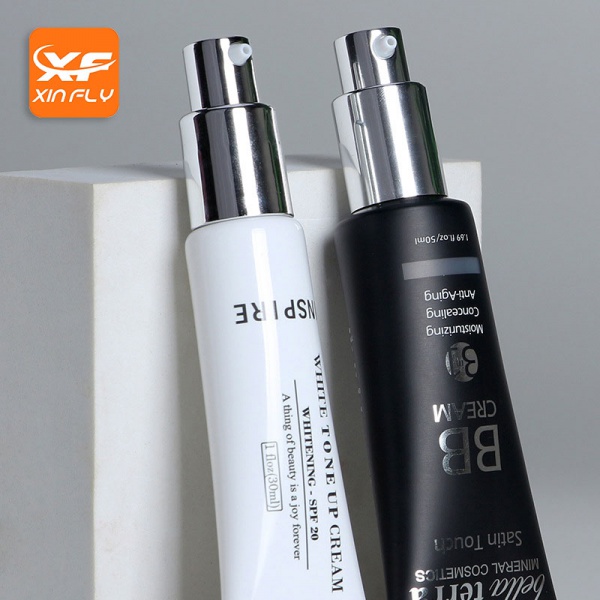
Luxury Empty Plastic 30ml 50ml BB Eye Cream Tube Airless Pump Squeeze Cosmetic Sugarcane Soft Touch Tubes
Luxury Empty Plastic 15ml 30ml 50ml BB Eye Cream Tube Airless Pump Squeeze Cosmetic Sugarcane Soft Touch Tubes on www.cosmetic-tube.net
Diameter: 16mm-60mm
Length: adjusted within the range of tube capacity (3ml to 500ml)
Layer: mono-layer,double-layer and 5layers tube
Shape: round,oval,super flat
Material: LDPE,HDPE,MDPE,LLDPE,SOFT TOUCH,EVOH
Tube color: white, transparent,colored
Printing: 1-6 colors offset ,silk cosmetic tube
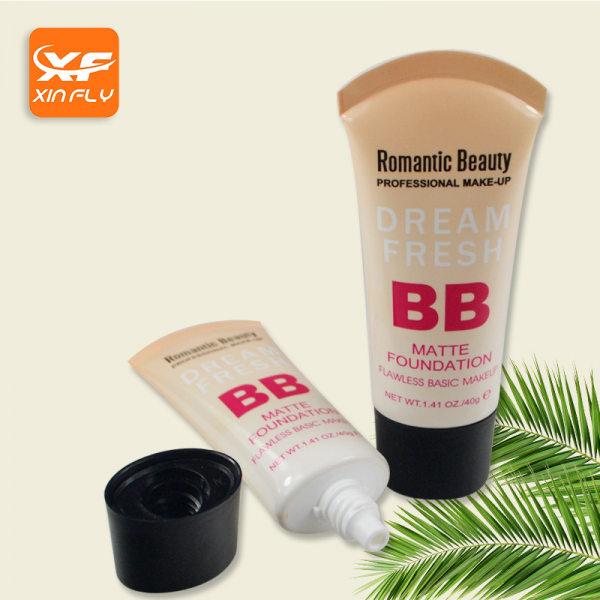
Empty 30ml 35ml Squeeze BB CC Cream Lotion Container Tube Packaging
Cheap 30ml 35ml Squeeze BB CC Cream Lotion Container Tube Packaging on www.cosmetic-tube.net
Diameter: 16mm-60mm
Length: adjusted within the range of tube capacity (3ml to 500ml)
Layer: mono-layer,double-layer and 5layers tube
Shape: round,oval,super flat
Material: LDPE,HDPE,MDPE,LLDPE,SOFT TOUCH,EVOH
Tube color: white, transparent,colored
Printing: 1-6 colors offset ,silk cosmetic tube
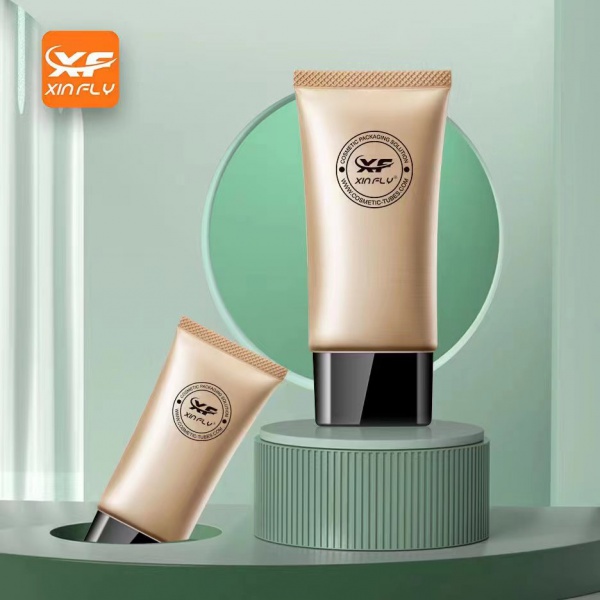
30ml 35ml Squeeze BB CC Cream Lotion Container Tube Packaging
Cheap 30ml 35ml Squeeze BB CC Cream Lotion Container Tube Packaging on www.cosmetic-tube.net
Diameter: 16mm-60mm
Length: adjusted within the range of tube capacity (3ml to 500ml)
Layer: mono-layer,double-layer and 5layers tube
Shape: round,oval,super flat
Material: LDPE,HDPE,MDPE,LLDPE,SOFT TOUCH,EVOH
Tube color: white, transparent,colored
Printing: 1-6 colors offset ,silk cosmetic tube
Manufacturers wholesale new empty lipstick tubes hang pendantslip gloss squeeze tube
Manufacturers wholesale new empty lipstick tubes hang pendantslip gloss squeeze tube with Custom logo at www.cosmetic-tube.net
Diameter: 16mm-60mm
Length: adjusted within the range of tube capacity (3ml to 500ml)
Layer: mono-layer,double-layer and 5layers tube
Shape: round,oval,super flat
Material: LDPE,HDPE,MDPE,LLDPE,SOFT TOUCH,EVOH
Tube color: white, transparent,colored
Printing: 1-6 colors offset ,silk cosmetic tube
Hot Sale Squeeze PETG Eye Cream Tube Lip Gloss Tubes Lip Balm Packaging Custom Volume Replaceable Head with Custom logo
Hot Sale Squeeze PETG Eye Cream Tube Lip Gloss Tubes Lip Balm Packaging Custom Volume Replaceable Head with Custom logo at www.cosmetic-tube.net
Diameter: 16mm-60mm
Length: adjusted within the range of tube capacity (3ml to 500ml)
Layer: mono-layer,double-layer and 5layers tube
Shape: round,oval,super flat
Material: LDPE,HDPE,MDPE,LLDPE,SOFT TOUCH,EVOH
Tube color: white, transparent,colored
Printing: 1-6 colors offset ,silk cosmetic tube
10g 10ml 15ml Empty Custom Color Squeeze Tube lip Gloss Lipstick lip Balm Squeeze Tube Packaging Plastic Tube
10g 10ml 15ml Empty Custom Color Squeeze Tube lip Gloss Lipstick lip Balm Squeeze Tube Packaging Plastic Tube at www.cosmetic-tube.net
Diameter: 16mm-60mm
Length: adjusted within the range of tube capacity (3ml to 500ml)
Layer: mono-layer,double-layer and 5layers tube
Shape: round,oval,super flat
Material: LDPE,HDPE,MDPE,LLDPE,SOFT TOUCH,EVOH
Tube color: white, transparent,colored
Printing: 1-6 colors offset ,silk cosmetic tube
Lipgloss Lip Lipgloss Gloss squeeze tube Cosmetic Soft Tube Packaging
Lipgloss Lip Lipgloss Gloss squeeze tube Cosmetic Soft Tube Packaging at www.cosmetic-tube.net
Diameter: 16mm-60mm
Length: adjusted within the range of tube capacity (3ml to 500ml)
Layer: mono-layer,double-layer and 5layers tube
Shape: round,oval,super flat
Material: LDPE,HDPE,MDPE,LLDPE,SOFT TOUCH,EVOH
Tube color: white, transparent,colored
Printing: 1-6 colors offset ,silk cosmetic tube
Empty Lip Gloss squeeze tubes
Empty Lip Gloss squeeze tubes from Jiangsu Xinfly Packaging Co.,LTD at www.cosmetic-tube.net
Diameter: 16mm-60mm
Length: adjusted within the range of tube capacity (3ml to 500ml)
Layer: mono-layer,double-layer and 5layers tube
Shape: round,oval,super flat
Material: LDPE,HDPE,MDPE,LLDPE,SOFT TOUCH,EVOH
Tube color: white, transparent,colored
Printing: 1-6 colors offset ,silk cosmetic tube
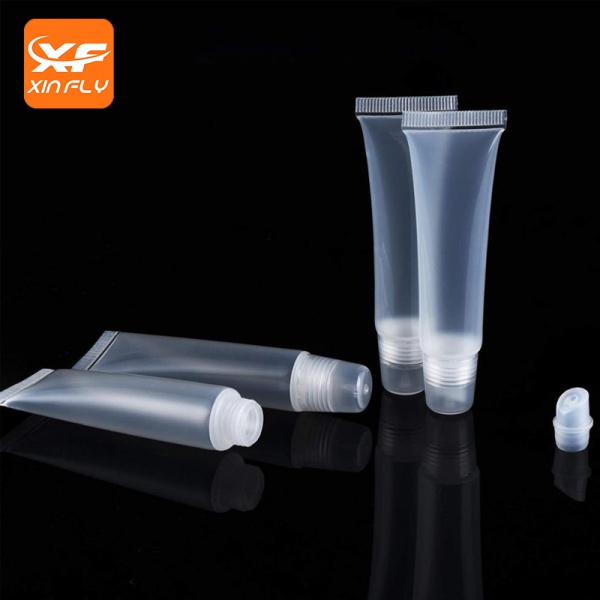
Custom LOGO Pink Black Silver Clear cap lipgloss tube private label 5ml 8ml 10ml 15ml empty squeeze lip gloss tube containers
Custom LOGO Pink Black Silver Clear cap lipgloss tube private label 5ml 8ml 10ml 15ml empty squeeze lip gloss tube containers from Jiangsu Xinfly Packaging Co.,LTD at www.cosmetic-tube.net
Diameter: 16mm-60mm
Length: adjusted within the range of tube capacity (3ml to 500ml)
Layer: mono-layer,double-layer and 5layers tube
Shape: round,oval,super flat
Material: LDPE,HDPE,MDPE,LLDPE,SOFT TOUCH,EVOH
Tube color: white, transparent,colored
Printing: 1-6 colors offset ,silk cosmetic tube
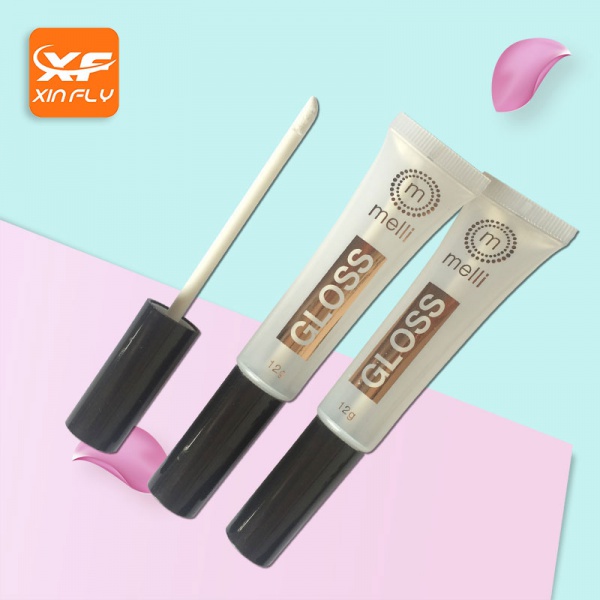
Custom Printed Clear Plastic Lipgloss Tube Container Empty Soft Lip Gloss Squeeze Tubes With Wand
Custom Printed Clear Plastic Lipgloss Tube Container Empty Soft Lip Gloss Squeeze Tubes With Wand from Jiangsu Xinfly Packaging Co.,LTD at www.cosmetic-tube.net
Diameter: 16mm-60mm
Length: adjusted within the range of tube capacity (3ml to 500ml)
Layer: mono-layer,double-layer and 5layers tube
Shape: round,oval,super flat
Material: LDPE,HDPE,MDPE,LLDPE,SOFT TOUCH,EVOH
Tube color: white, transparent,colored
Printing: 1-6 colors offset ,silk cosmetic tube
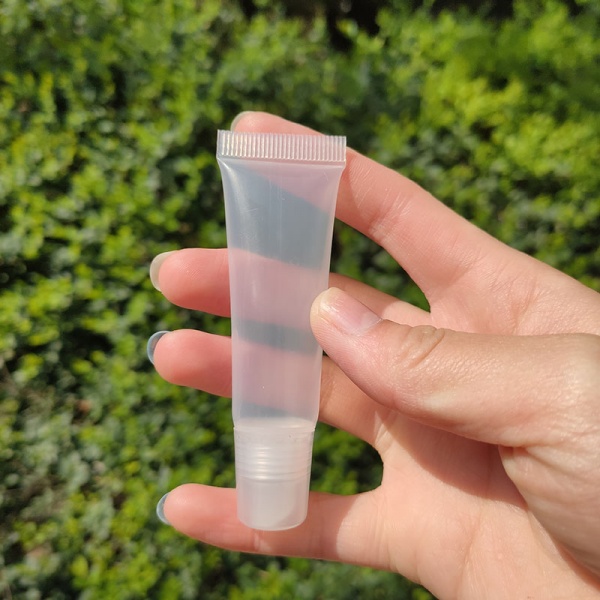
15ml Empty Lip Gloss squeeze tubes
15ml Empty Lip Gloss squeeze tubes from Jiangsu Xinfly Packaging Co.,LTD at www.cosmetic-tube.net
Diameter: 16mm-60mm
Length: adjusted within the range of tube capacity (3ml to 500ml)
Layer: mono-layer,double-layer and 5layers tube
Shape: round,oval,super flat
Material: LDPE,HDPE,MDPE,LLDPE,SOFT TOUCH,EVOH
Tube color: white, transparent,colored
Printing: 1-6 colors offset ,silk cosmetic tube
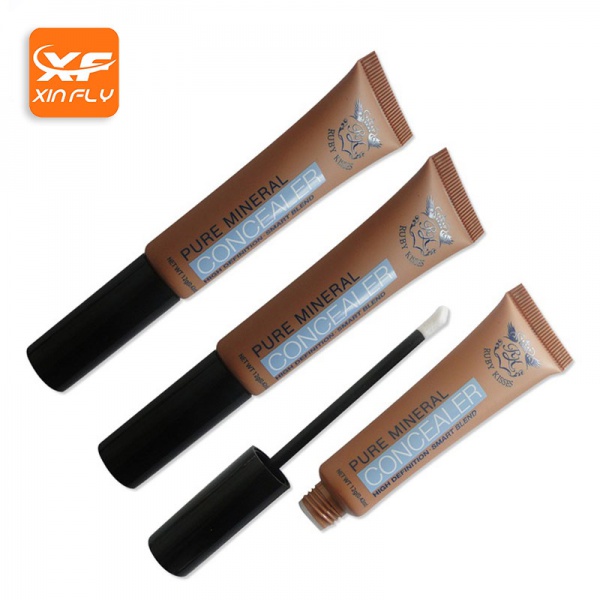
Custom Printed Clear Plastic Lipgloss Tube Container Empty Soft Lip Gloss Squeeze Tubes With Wand-副本-副本
Custom Printed Clear Plastic Lipgloss Tube Container Empty Soft Lip Gloss Squeeze Tubes With Wand from Jiangsu Xinfly Packaging Co.,LTD at www.cosmetic-tube.net
Diameter: 16mm-60mm
Length: adjusted within the range of tube capacity (3ml to 500ml)
Layer: mono-layer,double-layer and 5layers tube
Shape: round,oval,super flat
Material: LDPE,HDPE,MDPE,LLDPE,SOFT TOUCH,EVOH
Tube color: white, transparent,colored
Printing: 1-6 colors offset ,silk cosmetic tube
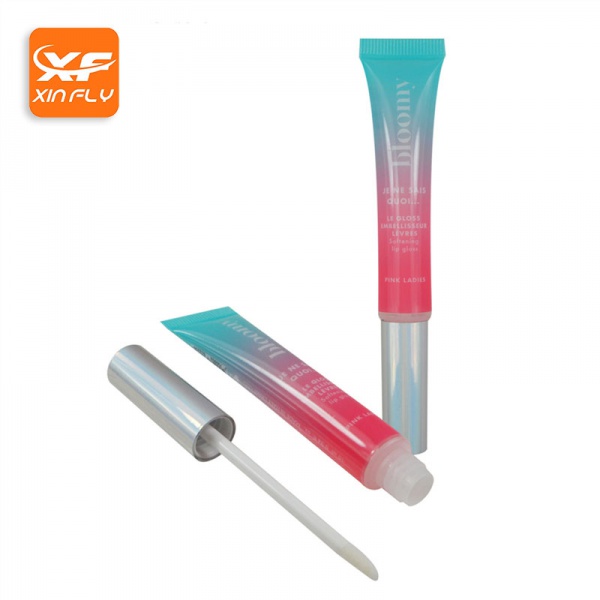
Custom Printed Clear Plastic Lipgloss Tube Container Empty Soft Lip Gloss Squeeze Tubes With Wand
Custom Printed Clear Plastic Lipgloss Tube Container Empty Soft Lip Gloss Squeeze Tubes With Wand from Jiangsu Xinfly Packaging Co.,LTD at www.cosmetic-tube.net
Diameter: 16mm-60mm
Length: adjusted within the range of tube capacity (3ml to 500ml)
Layer: mono-layer,double-layer and 5layers tube
Shape: round,oval,super flat
Material: LDPE,HDPE,MDPE,LLDPE,SOFT TOUCH,EVOH
Tube color: white, transparent,colored
Printing: 1-6 colors offset ,silk cosmetic tube
Manufacturer Empty PE Eye Cream Tube Cosmetic Packaging Squeeze Tube with Long Nozzle Custom Medical Gel Container
Manufacturer Empty PE Eye Cream Tube Cosmetic Packaging Squeeze Tube with Long Nozzle Custom Medical Gel Container from Jiangsu Xinfly Packaging Co.,LTD at www.cosmetic-tube.net
Diameter: 16mm-60mm
Length: adjusted within the range of tube capacity (3ml to 500ml)
Layer: mono-layer,double-layer and 5layers tube
Shape: round,oval,super flat
Material: LDPE,HDPE,MDPE,LLDPE,SOFT TOUCH,EVOH
Tube color: white, transparent,colored
Printing: 1-6 colors offset ,silk cosmetic tube
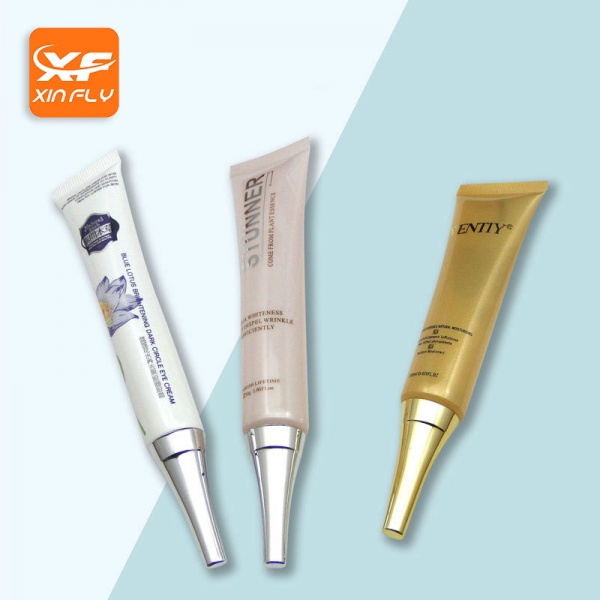
15ml 20ml 30ml custom squeeze soft sample Plastic Long Nozzle Eye Serum cream Tube with plating lid
15ml 20ml 30ml custom squeeze soft sample Plastic Long Nozzle Eye Serum cream Tube with plating lid from Jiangsu Xinfly Packaging Co.,LTD at www.cosmetic-tube.net
Diameter: 16mm-60mm
Length: adjusted within the range of tube capacity (3ml to 500ml)
Layer: mono-layer,double-layer and 5layers tube
Shape: round,oval,super flat
Material: LDPE,HDPE,MDPE,LLDPE,SOFT TOUCH,EVOH
Tube color: white, transparent,colored
Printing: 1-6 colors offset ,silk cosmetic tube
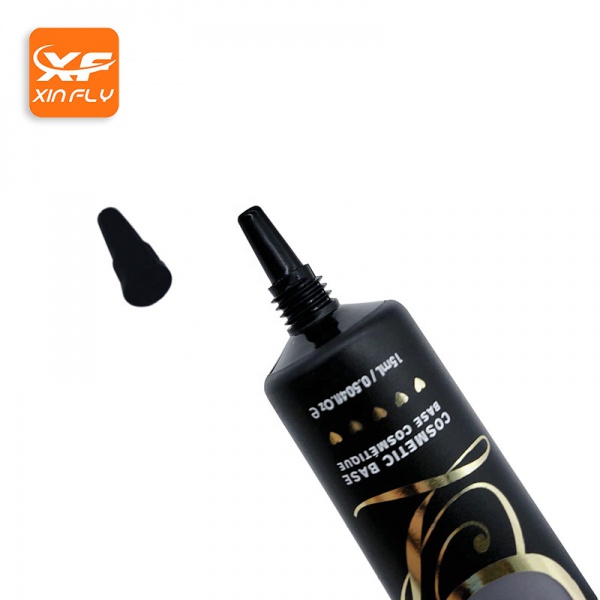
printed empty pe soft tube long nose gel packaging cosmetic eye cream packing containers plastic tube
printed empty pe soft tube long nose gel packaging cosmetic eye cream packing containers plastic tube from Jiangsu Xinfly Packaging Co.,LTD at www.cosmetic-tube.net
Diameter: 16mm-60mm
Length: adjusted within the range of tube capacity (3ml to 500ml)
Layer: mono-layer,double-layer and 5layers tube
Shape: round,oval,super flat
Material: LDPE,HDPE,MDPE,LLDPE,SOFT TOUCH,EVOH
Tube color: white, transparent,colored
Printing: 1-6 colors offset ,silk cosmetic tube
50ml Silver Metallic Glossy Aluminum Laminated Cosmetics Tubes
50ml Silver Metallic Glossy Aluminum Laminated Cosmetics Tubes Cosmetic Tube manufacturers and suppliers at www.cosmetic-tube.net
Diameter: 16mm-60mm
Length: adjusted within the range of tube capacity (3ml to 500ml)
Layer: mono-layer,double-layer and 5layers tube
Shape: round,oval,super flat
Material: LDPE,HDPE,MDPE,LLDPE,SOFT TOUCH,EVOH
Tube color: white, transparent,colored
Printing: 1-6 colors offset ,silk cosmetic tube
ABL shiny metallic packing with style Gold Aluminum Plastic Cream tube airless Facial Cleansing Cosmetic Tube
ABL shiny metallic packing with style Gold Aluminum Plastic Cream tube airless Facial Cleansing Cosmetic Tube manufacturers and suppliers at www.cosmetic-tube.net
Diameter: 16mm-60mm
Length: adjusted within the range of tube capacity (3ml to 500ml)
Layer: mono-layer,double-layer and 5layers tube
Shape: round,oval,super flat
Material: LDPE,HDPE,MDPE,LLDPE,SOFT TOUCH,EVOH
Tube color: white, transparent,colored
Printing: 1-6 colors offset ,silk cosmetic tube
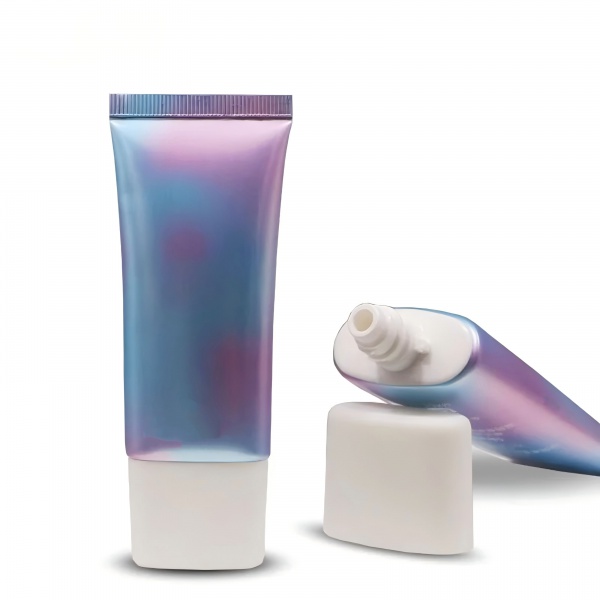
ABL Empty Aluminium Laminated Tubes Cosmetic Packaging Plastic Tube
ABL Empty Aluminium Laminated Tubes Cosmetic Packaging Plastic Tube manufacturers and suppliers at www.cosmetic-tube.net
Diameter: 16mm-60mm
Length: adjusted within the range of tube capacity (3ml to 500ml)
Layer: mono-layer,double-layer and 5layers tube
Shape: round,oval,super flat
Material: LDPE,HDPE,MDPE,LLDPE,SOFT TOUCH,EVOH
Tube color: white, transparent,colored
Printing: 1-6 colors offset ,silk cosmetic tube
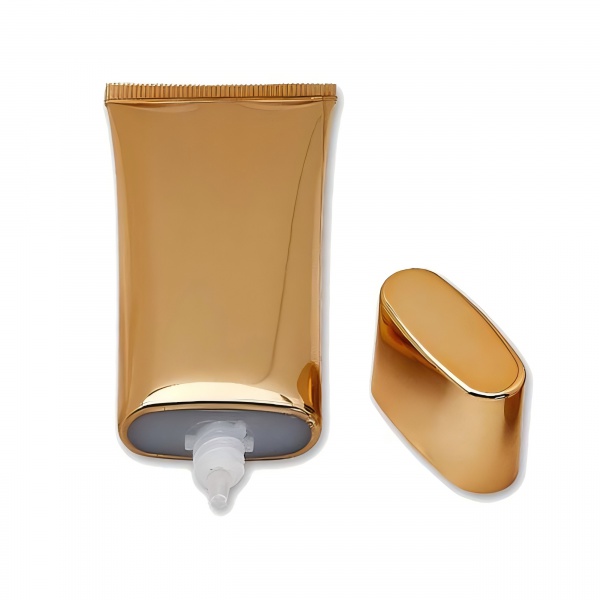
Flat Squeeze Aluminum Plastic Tubes for BB and CC Cream
Flat Oval Squeeze Aluminum Plastic Tubes for BB and CC Cream manufacturers and suppliers at www.cosmetic-tube.net
Diameter: 16mm-60mm
Length: adjusted within the range of tube capacity (3ml to 500ml)
Layer: mono-layer,double-layer and 5layers tube
Shape: round,oval,super flat
Material: LDPE,HDPE,MDPE,LLDPE,SOFT TOUCH,EVOH
Tube color: white, transparent,colored
Printing: 1-6 colors offset ,silk cosmetic tube

No data
Cosmetic Tubes Packaging – Our offer
Polyethylene tubes
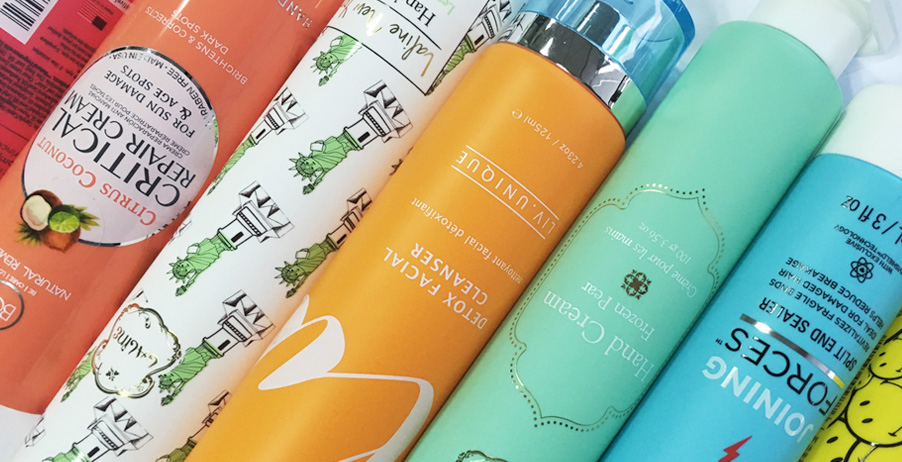
We manufacture polyethylene tubes from solid and durable polymers of varying density. Their sturdiness makes them a perfect solution for a variety of industries – food, cosmetics, chemicals, pharmaceuticals and more. The colour and size of our recycled plastic tubes, as well as the type of cap, can be adapted to client’s needs.
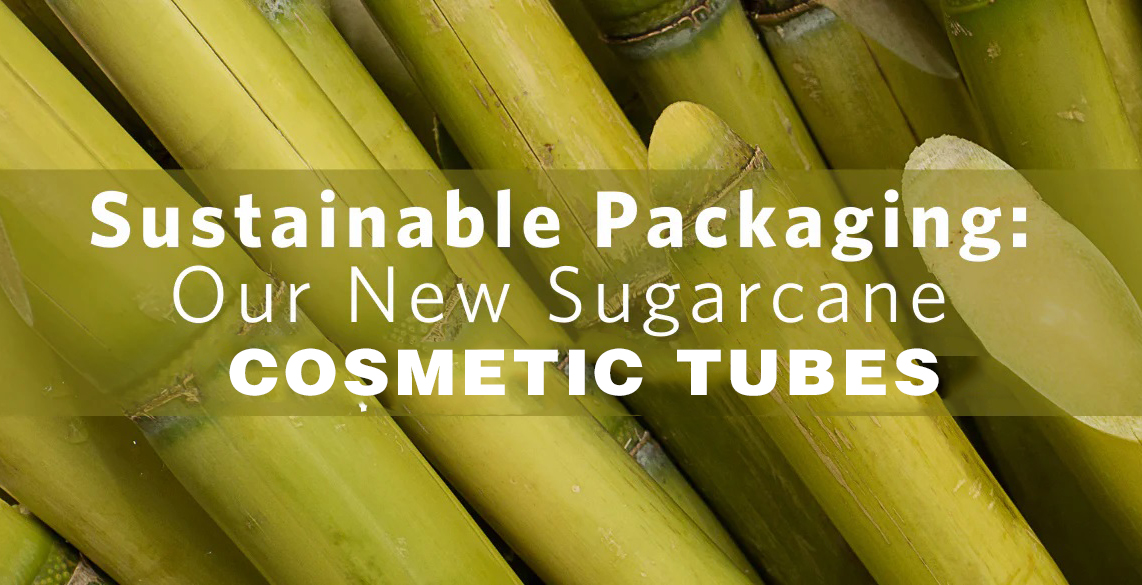
Sugar cane tubes
As one of a few renowned tube manufacturers from China, we made sure to include ecological products within our offer. Sugar cane tubes are made from bio-based polyethylene (at least 96%), which is obtained from sugar cane. This type of packaging does not consist of potentially harmful Biosfenol. This eco friendly squeeze tube can be easily recycled.
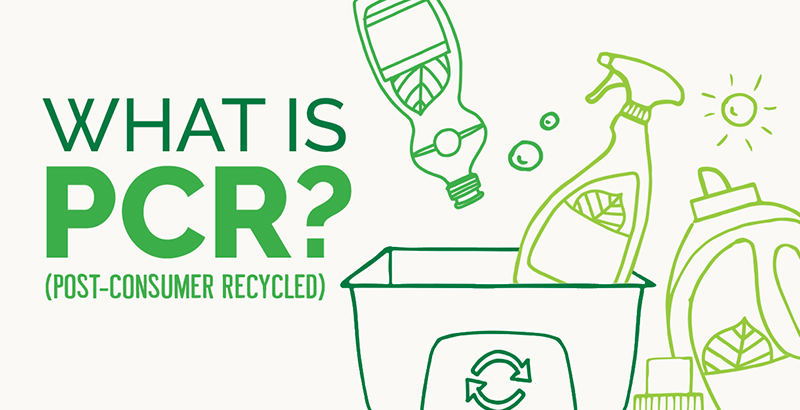
PCR plastic tubes
Our offer includes sustainable tube packaging manufactured from materials obtained by recycling plastic waste from individual households in the China. Xinfly Packaging cares deeply about the environment, which is why we wanted to include PCR plastic tubes in our collection of products. We are going to make sure our tubes meet all your expectations.
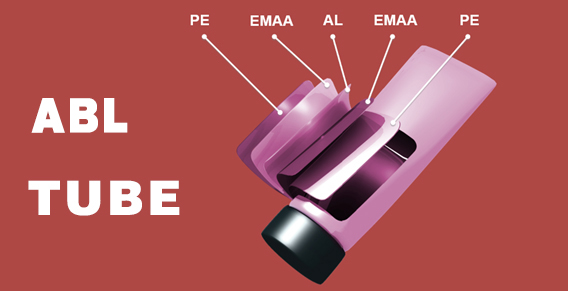
ABL Tube
The ABL (Aluminium Barrier Laminate) tube consists of multiple PE layers, in which an aluminum barrier is embedded (aluminum barrier laminate).
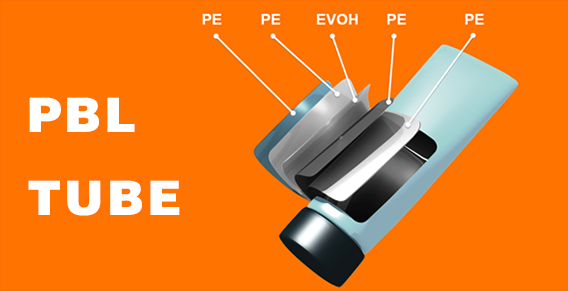
PBL Tube
The PBL (Plastic Barrier Laminate) tube is a laminate tube without aluminum and is completely produced from plastic (plastic barrier laminate)
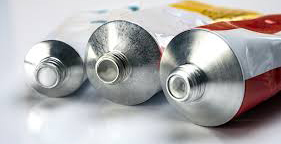
Aluminum Tube
Made of high-purity aluminum, environmentally friendly, recyclable, sturdy, and durable.
Why choose us?
Jiangsu Xinfly Packaging Co.Ltd

Certification
The company's production facilities have achieved ISO-9001:2008 and ISO 1400 certified quality awards. All certified

Logistics Services
The company maintains long-term cooperation with logistics companies such as DHL, Debon, UPS and SF Express, with a fast, convenient and high-quality logistics service system, so that customers can rest assured

Professional Service
The company has a professional sales and technical support team to understand and communicate with customers about the application of products at any time, and provide one-to-one efficient and professional services

Quality Assurance
The company's products all implement STD and EIA standards, fully automated production, so that all parameters of each product are 100% tested more than 5 times to ensure 100% product quality

Timely Delivery
The company has accurate expected stocking and maintains a stable safety stock to meet customers' urgent needs and bulk purchasing needs. We produce 200,000 tubes per day.

3rd Party Inspection
The company's products are sampled every year and sent to third-party inspections (such as SGS and UL), in line with UL, RoHs, REACH and environmental protection requirements of various countries
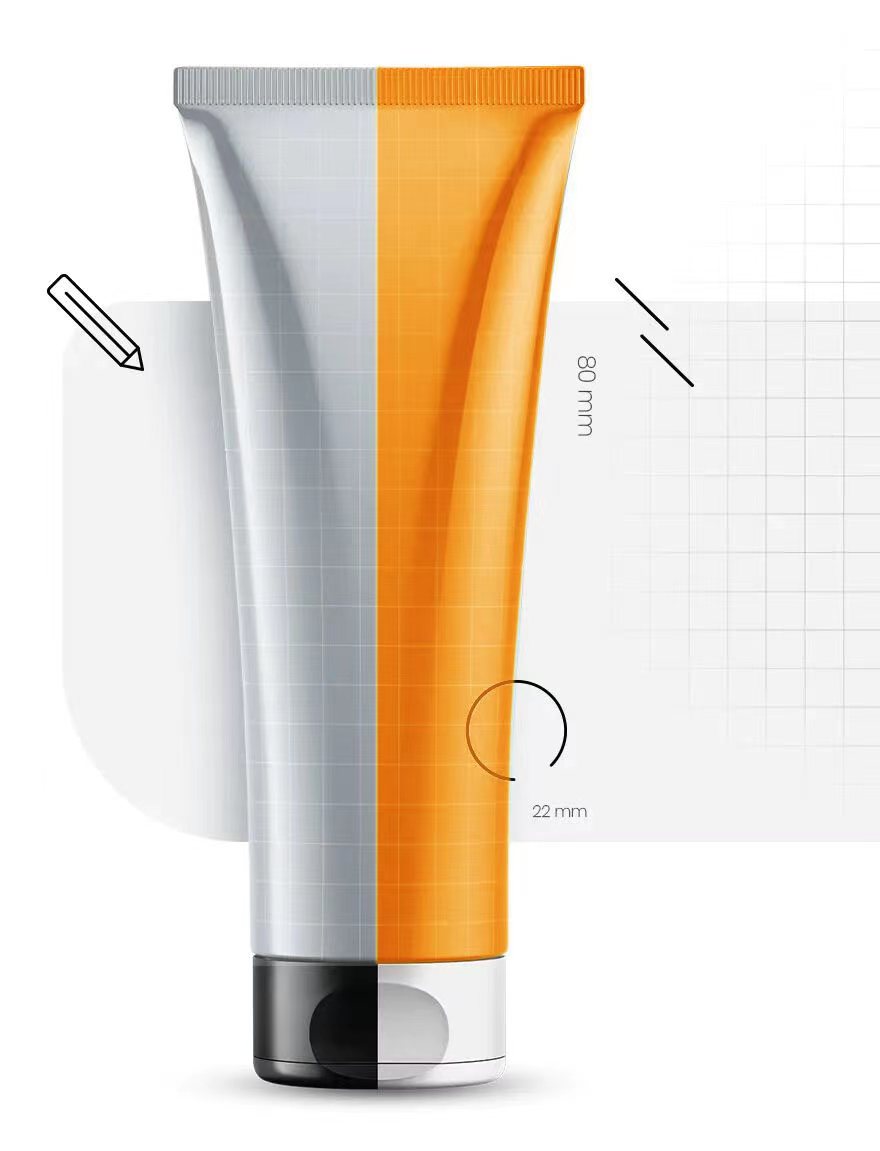
Design your own tube!
JEFF SHAO
CEO
Founder of Jiangsu Xinly Packaging Co., Ltd. 15 years of experience in cosmetic tube production, sales and design.

MARK XUE
SALES DIRECTOR
Engaged in cosmetic tube sales for 11 years.
Make cosmetic tube solution for many brands.

VIKKI LEE
DESIGNER DIRECTOR
7 years of cosmetic packaging design experience, handling more than 1,000 cosmetic tube designs every year. Has rich design experience.

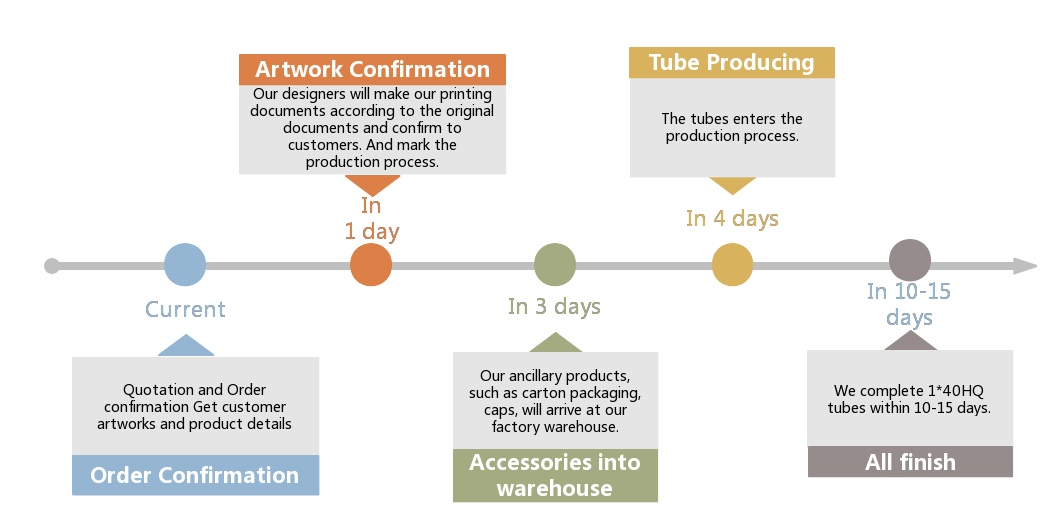
Just-in-Time Production
-
22 2020 / 06
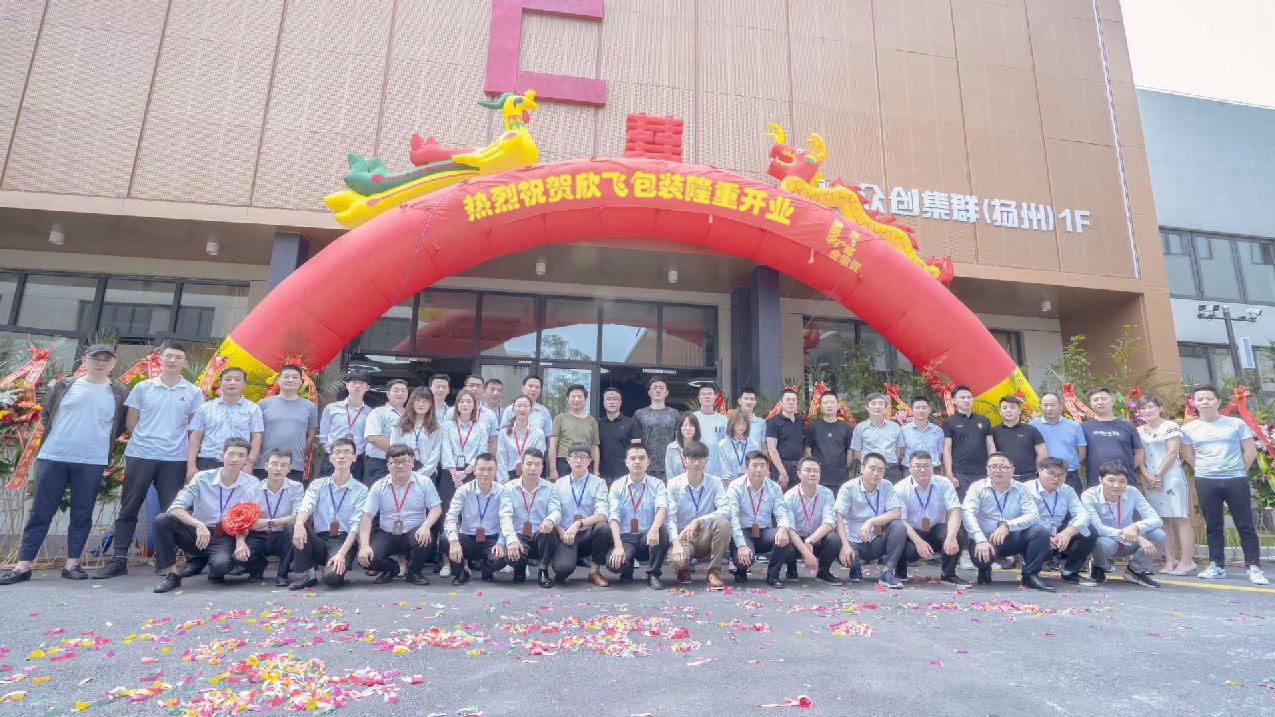
top Reco Jiangsu Xinfly Packaging Co., Ltd. was established

With the expansion of the company's business, Jiangsu Xinfly Packaging Co., Ltd.
-
16 2019 / 09
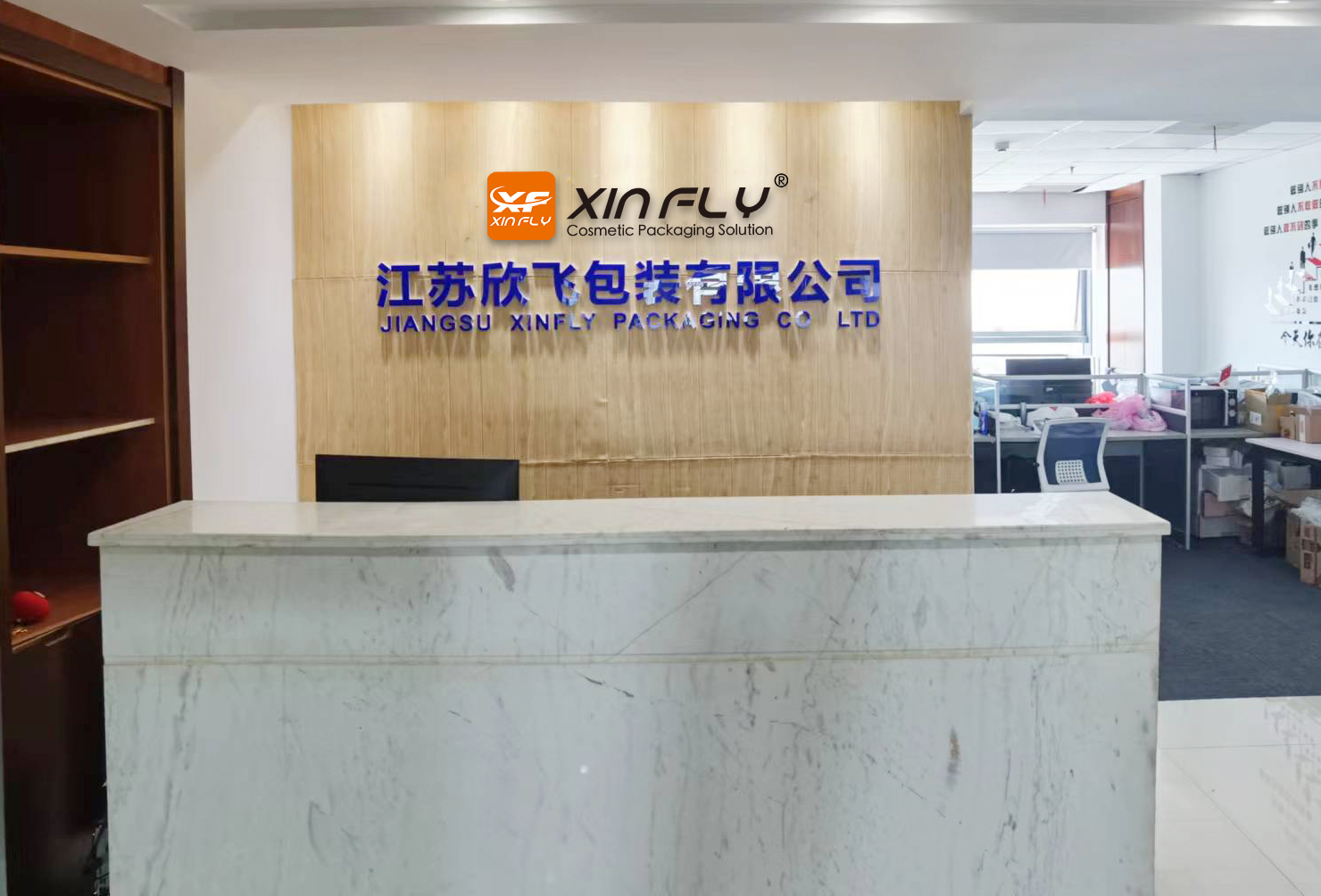
top Reco Jiangsu Xinfly Packaging Co., Ltd. Yangzhou Sales Department was established
Jiangsu Xinfly Packaging Co., Ltd. Yangzhou Sales Department was established. With the expansion of the company's business, Jiangsu Xinfly Packaging Co., Ltd. set up a sales office in Yangzhou in orde
-
22 2019 / 06
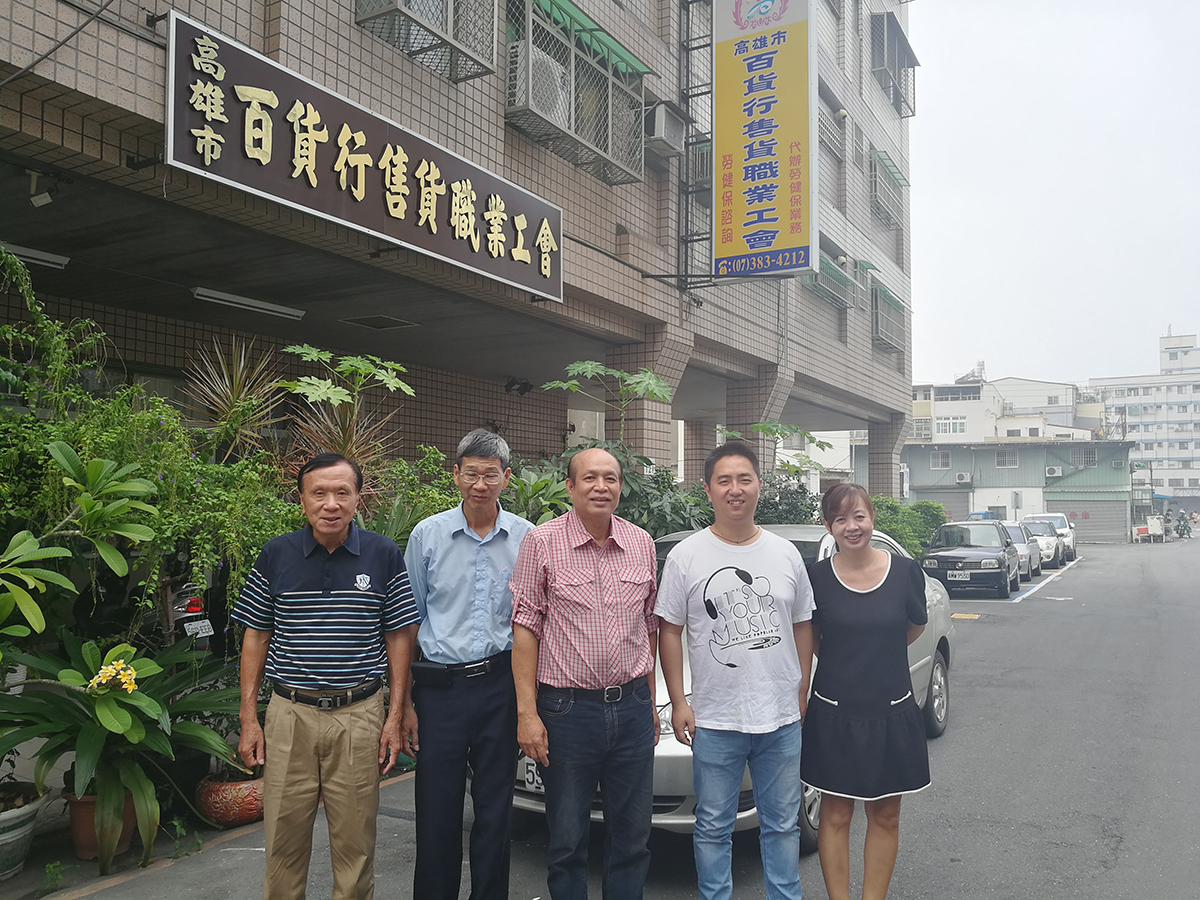
top Reco Taiwan Office (Taiwan Bintai Enterprise)
Xinfly Packaging signed a strategic cooperation agreement with Taiwan Bintai Ent

Create Cosmetic Brands
Xinfly Packaging is with you...
Contact US for Free Consultation and Samples
Ps. Normally we will reply all your inquiries/replies within 24 hours!


copyright © 2015-2025 Jiangsu Xinfly Packaging Co.,Ltd sitemap cosmetic tube packaging cosmetic tube cosmetic tube manufacturer

