
The Role of Cosmetic Tube Packaging in the Beauty Industry
Time: 2024-10-24 09:52:11
Author: Jiangsu Xinfly Packaging Co.,Ltd
Click:
In the highly competitive beauty industry, packaging plays a critical role beyond simply containing a product. Cosmetic tube packaging, in particular, has become a popular solution for a wide range of beauty products, including creams, lotions, gels, and toothpaste. This packaging option combines functionality with aesthetic appeal, contributing significantly to both the user experience and the brand’s identity. In this article, we will explore the benefits, materials, trends, and environmental
In the highly competitive beauty industry, packaging plays a critical role beyond simply containing a product. Cosmetic tube packaging, in particular, has become a popular solution for a wide range of beauty products, including creams, lotions, gels, and toothpaste. This packaging option combines functionality with aesthetic appeal, contributing significantly to both the user experience and the brand’s identity. In this article, we will explore the benefits, materials, trends, and environmental considerations associated with cosmetic tube packaging.
1. The Advantages of Cosmetic Tube Packaging
Cosmetic tube packaging is favored for several practical reasons. One of the key benefits is its convenience. Tubes allow consumers to dispense the exact amount of product they need without waste, and their portability makes them ideal for travel. Whether it’s a skincare cream or hand sanitizer, users appreciate the ease with which they can squeeze out the contents without direct contact with the rest of the product, maintaining hygiene.
Additionally, tubes are often lightweight and less prone to breakage compared to glass containers. This makes them easier to store, ship, and handle, offering logistical advantages for manufacturers and retailers. The soft, flexible structure of tubes ensures they remain intact even when squeezed, contributing to a longer shelf life for the contents inside.
Another significant advantage is the potential for customization. Cosmetic tubes can be produced in various sizes, colors, and finishes, tailored to meet the aesthetic preferences of both consumers and brands. Innovative designs such as metallic effects, gradient colors, and embossed logos enhance product visibility and create a strong visual identity for the brand.
2. Materials Used in Cosmetic Tubes
The material composition of cosmetic tubes plays a vital role in determining the quality, sustainability, and user experience. Common materials include:
• Plastic (PE, PP, or PET): Plastic tubes are lightweight, affordable, and highly customizable. They are commonly used for personal care products like face wash, hair conditioner, and sunscreen.
• Laminated Tubes: These tubes combine multiple layers of plastic and aluminum, offering excellent barrier properties that protect the product from moisture, oxygen, and light exposure. They are ideal for toothpaste and pharmaceutical creams.
• Aluminum Tubes: Aluminum provides excellent protection from environmental factors and is fully recyclable. These tubes are often used for premium cosmetic products and ointments.
• Bio-based Plastics: With sustainability becoming more important, bio-based plastics made from renewable resources like sugarcane are emerging as eco-friendly alternatives to traditional plastics.
Choosing the right material involves balancing factors like durability, product compatibility, and environmental impact. Brands increasingly prioritize sustainable materials to align with global trends toward greener consumption.
3. Emerging Trends in Cosmetic Tube Packaging
The beauty industry is witnessing exciting innovations in packaging that reflect evolving consumer expectations. One notable trend is the rise of airless tubes, which prevent air from entering the container, thereby preserving the integrity of the product. These are especially popular for serums, moisturizers, and anti-aging products where stability is crucial.
Another growing trend is personalized packaging. With advancements in digital printing, brands can offer limited-edition designs or allow customers to customize packaging with their names or preferred colors. This personalization enhances customer engagement and strengthens brand loyalty.
Additionally, minimalist design is gaining traction, with brands opting for sleek, eco-conscious packaging that reflects simplicity and sustainability. This trend aligns with the rise of clean beauty, where consumers seek products free from unnecessary additives and packaging.
4. Sustainability in Cosmetic Tube Packaging
Environmental concerns are reshaping the packaging landscape. Consumers and regulatory bodies are pushing for recyclable, biodegradable, and reusable packaging solutions. To meet these demands, many companies are turning to recyclable plastics and developing refillable tube systems. Refill packs allow consumers to reuse the original tube, reducing plastic waste over time.
Another key strategy is the use of post-consumer recycled (PCR) materials. Incorporating PCR plastics into tube production not only reduces the demand for virgin plastic but also minimizes the carbon footprint of manufacturing. Some brands are even adopting compostable or biodegradable materials, although these require careful management to ensure proper disposal.
In addition to materials, packaging design also plays a role in sustainability. Reducing the thickness of tubes without compromising durability helps decrease material usage, contributing to a more sustainable product life cycle. Brands are also incorporating QR codes on packaging to provide consumers with information on recycling methods, further promoting eco-friendly behavior.
5. Challenges and Future Outlook
Despite the numerous advantages, cosmetic tube packaging faces some challenges. Ensuring the compatibility of the tube material with the product inside is essential to avoid chemical interactions that could compromise quality. In addition, achieving a balance between aesthetics and sustainability can be difficult, as some eco-friendly materials may lack the glossy finish or feel that premium brands seek.
However, the future of cosmetic tube packaging is promising. As technology advances, we can expect further innovations such as smart packaging with sensors that monitor product freshness or use-by dates. Additionally, collaboration across the supply chain will be critical to overcoming sustainability challenges, with manufacturers, brands, and consumers working together to create circular packaging solutions.
Cosmetic tube packaging is an essential component of the beauty industry, offering a combination of functionality, aesthetics, and sustainability. With its ease of use, customizable designs, and ability to protect product integrity, tubes are a versatile choice for a wide range of personal care products. As environmental awareness continues to grow, the industry is evolving toward more sustainable solutions through the use of recyclable materials, refillable systems, and innovative designs.
Looking ahead, brands that embrace these trends and invest in responsible packaging will not only meet the expectations of eco-conscious consumers but also gain a competitive edge in the market. Cosmetic tube packaging, with its adaptability and potential for innovation, will remain a key player in shaping the future of beauty.

点击右上角
分享给朋友吧







 Long by picture save/share
0
Prev : The position of cosmetic tube packaging in hand cream packaging
Next : The Significance of Cosmetic Tube Packaging in the Beauty Industry
文章推荐
How to Choose the Right Cosmetic Tube Supplier for Your Brand
How to Choose the Right Cosmetic Tube Manufacturer for Your Brand in 2025
Jiangsu Xinfly Packaging Co., Ltd. was established
Jiangsu Xinfly Packaging Co., Ltd. Yangzhou Sales Department was established
Taiwan Office (Taiwan Bintai Enterprise)
The Role of Cosmetic Tube Packaging in the Beauty Industry
Time: 2024-10-24 09:52:11
Author: Jiangsu Xinfly Packaging Co.,Ltd
Click:
In the highly competitive beauty industry, packaging plays a critical role beyond simply containing a product. Cosmetic tube packaging, in particular, has become a popular solution for a wide range of beauty products, including creams, lotions, gels, and toothpaste. This packaging option combines functionality with aesthetic appeal, contributing significantly to both the user experience and the brand’s identity. In this article, we will explore the benefits, materials, trends, and environmental
In the highly competitive beauty industry, packaging plays a critical role beyond simply containing a product. Cosmetic tube packaging, in particular, has become a popular solution for a wide range of beauty products, including creams, lotions, gels, and toothpaste. This packaging option combines functionality with aesthetic appeal, contributing significantly to both the user experience and the brand’s identity. In this article, we will explore the benefits, materials, trends, and environmental considerations associated with cosmetic tube packaging.
1. The Advantages of Cosmetic Tube Packaging
Cosmetic tube packaging is favored for several practical reasons. One of the key benefits is its convenience. Tubes allow consumers to dispense the exact amount of product they need without waste, and their portability makes them ideal for travel. Whether it’s a skincare cream or hand sanitizer, users appreciate the ease with which they can squeeze out the contents without direct contact with the rest of the product, maintaining hygiene.
Additionally, tubes are often lightweight and less prone to breakage compared to glass containers. This makes them easier to store, ship, and handle, offering logistical advantages for manufacturers and retailers. The soft, flexible structure of tubes ensures they remain intact even when squeezed, contributing to a longer shelf life for the contents inside.
Another significant advantage is the potential for customization. Cosmetic tubes can be produced in various sizes, colors, and finishes, tailored to meet the aesthetic preferences of both consumers and brands. Innovative designs such as metallic effects, gradient colors, and embossed logos enhance product visibility and create a strong visual identity for the brand.
2. Materials Used in Cosmetic Tubes
The material composition of cosmetic tubes plays a vital role in determining the quality, sustainability, and user experience. Common materials include:
• Plastic (PE, PP, or PET): Plastic tubes are lightweight, affordable, and highly customizable. They are commonly used for personal care products like face wash, hair conditioner, and sunscreen.
• Laminated Tubes: These tubes combine multiple layers of plastic and aluminum, offering excellent barrier properties that protect the product from moisture, oxygen, and light exposure. They are ideal for toothpaste and pharmaceutical creams.
• Aluminum Tubes: Aluminum provides excellent protection from environmental factors and is fully recyclable. These tubes are often used for premium cosmetic products and ointments.
• Bio-based Plastics: With sustainability becoming more important, bio-based plastics made from renewable resources like sugarcane are emerging as eco-friendly alternatives to traditional plastics.
Choosing the right material involves balancing factors like durability, product compatibility, and environmental impact. Brands increasingly prioritize sustainable materials to align with global trends toward greener consumption.
3. Emerging Trends in Cosmetic Tube Packaging
The beauty industry is witnessing exciting innovations in packaging that reflect evolving consumer expectations. One notable trend is the rise of airless tubes, which prevent air from entering the container, thereby preserving the integrity of the product. These are especially popular for serums, moisturizers, and anti-aging products where stability is crucial.
Another growing trend is personalized packaging. With advancements in digital printing, brands can offer limited-edition designs or allow customers to customize packaging with their names or preferred colors. This personalization enhances customer engagement and strengthens brand loyalty.
Additionally, minimalist design is gaining traction, with brands opting for sleek, eco-conscious packaging that reflects simplicity and sustainability. This trend aligns with the rise of clean beauty, where consumers seek products free from unnecessary additives and packaging.
4. Sustainability in Cosmetic Tube Packaging
Environmental concerns are reshaping the packaging landscape. Consumers and regulatory bodies are pushing for recyclable, biodegradable, and reusable packaging solutions. To meet these demands, many companies are turning to recyclable plastics and developing refillable tube systems. Refill packs allow consumers to reuse the original tube, reducing plastic waste over time.
Another key strategy is the use of post-consumer recycled (PCR) materials. Incorporating PCR plastics into tube production not only reduces the demand for virgin plastic but also minimizes the carbon footprint of manufacturing. Some brands are even adopting compostable or biodegradable materials, although these require careful management to ensure proper disposal.
In addition to materials, packaging design also plays a role in sustainability. Reducing the thickness of tubes without compromising durability helps decrease material usage, contributing to a more sustainable product life cycle. Brands are also incorporating QR codes on packaging to provide consumers with information on recycling methods, further promoting eco-friendly behavior.
5. Challenges and Future Outlook
Despite the numerous advantages, cosmetic tube packaging faces some challenges. Ensuring the compatibility of the tube material with the product inside is essential to avoid chemical interactions that could compromise quality. In addition, achieving a balance between aesthetics and sustainability can be difficult, as some eco-friendly materials may lack the glossy finish or feel that premium brands seek.
However, the future of cosmetic tube packaging is promising. As technology advances, we can expect further innovations such as smart packaging with sensors that monitor product freshness or use-by dates. Additionally, collaboration across the supply chain will be critical to overcoming sustainability challenges, with manufacturers, brands, and consumers working together to create circular packaging solutions.
Cosmetic tube packaging is an essential component of the beauty industry, offering a combination of functionality, aesthetics, and sustainability. With its ease of use, customizable designs, and ability to protect product integrity, tubes are a versatile choice for a wide range of personal care products. As environmental awareness continues to grow, the industry is evolving toward more sustainable solutions through the use of recyclable materials, refillable systems, and innovative designs.
Looking ahead, brands that embrace these trends and invest in responsible packaging will not only meet the expectations of eco-conscious consumers but also gain a competitive edge in the market. Cosmetic tube packaging, with its adaptability and potential for innovation, will remain a key player in shaping the future of beauty.
点击右上角
分享给朋友吧
Long by picture save/share
0
Prev : The position of cosmetic tube packaging in hand cream packaging
Next : The Significance of Cosmetic Tube Packaging in the Beauty Industry
More News
How to Choose the Right Cosmetic Tube Supplier for Your Brand
How to Choose the Right Cosmetic Tube Manufacturer for Your Brand in 2025
Jiangsu Xinfly Packaging Co., Ltd. was established
Jiangsu Xinfly Packaging Co., Ltd. Yangzhou Sales Department was established
Taiwan Office (Taiwan Bintai Enterprise)
Customized Cosmetic Tubes Packaging
One-stop Solutions by Xinfly Packaging
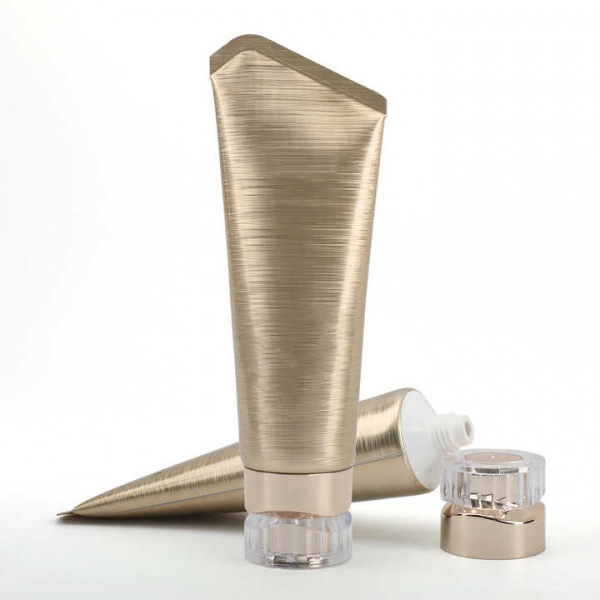
Empty Tube Cosmetic Cream Lotion Facial Cleanser Tubes Gold High Glossy ABL Plastic 100ml 120ml Cosmetic Packaging Round
Empty Tube Cosmetic Cream Lotion Facial Cleanser Tubes Gold High Glossy ABL Plastic 100ml 120ml Cosmetic Packaging Round Tube Manufacturer at www.cosmetic-tube.net
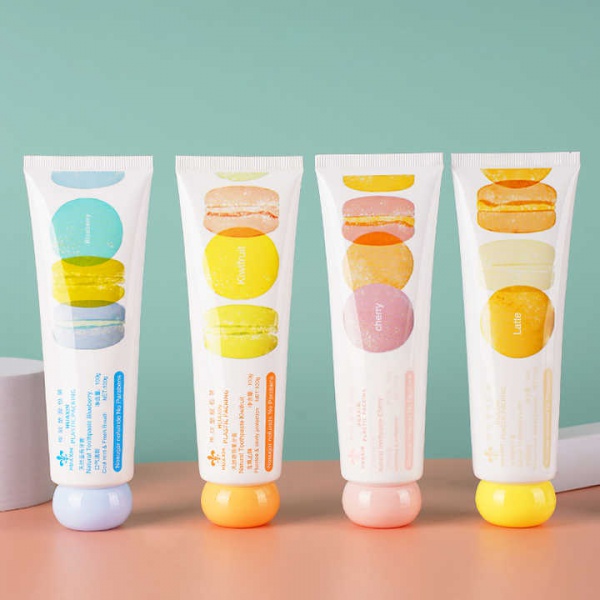
100g Cosmetic Plastic Cream Soft Plastic Tube Laminated Soft Plastic Toothpaste Tube Packaging With Screw Lid
100g Cosmetic Plastic Cream Soft Plastic Tube Laminated Soft Plastic Toothpaste Tube Packaging With Screw Lid Manufacturer at www.cosmetic-tube.net
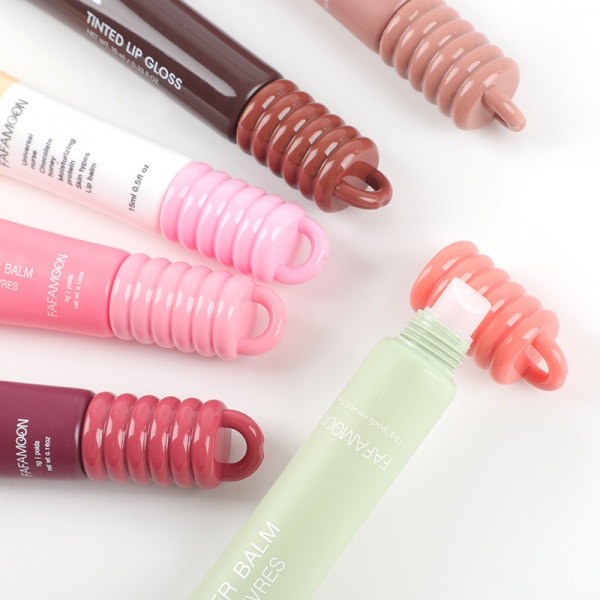
Manufacturers wholesale new empty lipstick tubes hang pendantslip gloss squeeze tube
Manufacturers wholesale new empty lipstick tubes hang pendantslip gloss squeeze tube with Custom logo at www.cosmetic-tube.net
Diameter: 16mm-60mm
Length: adjusted within the range of tube capacity (3ml to 500ml)
Layer: mono-layer,double-layer and 5layers tube
Shape: round,oval,super flat
Material: LDPE,HDPE,MDPE,LLDPE,SOFT TOUCH,EVOH
Tube color: white, transparent,colored
Printing: 1-6 colors offset ,silk cosmetic tube

Hot Sale Squeeze PETG Eye Cream Tube Lip Gloss Tubes Lip Balm Packaging Custom Volume Replaceable Head with Custom logo
Hot Sale Squeeze PETG Eye Cream Tube Lip Gloss Tubes Lip Balm Packaging Custom Volume Replaceable Head with Custom logo at www.cosmetic-tube.net
Diameter: 16mm-60mm
Length: adjusted within the range of tube capacity (3ml to 500ml)
Layer: mono-layer,double-layer and 5layers tube
Shape: round,oval,super flat
Material: LDPE,HDPE,MDPE,LLDPE,SOFT TOUCH,EVOH
Tube color: white, transparent,colored
Printing: 1-6 colors offset ,silk cosmetic tube

OEM/ODM Plastic Tube Empty PE Tube Skin Cream Cleanser Face Cream Sunscreen Cosmetic Packaging Squeeze Tube Manufacturer
OEM/ODM Plastic Tube Empty PE Tube Skin Cream Cleanser Face Cream Sunscreen Cosmetic Packaging Squeeze Tube Manufacturer at www.cosmetic-tube.net
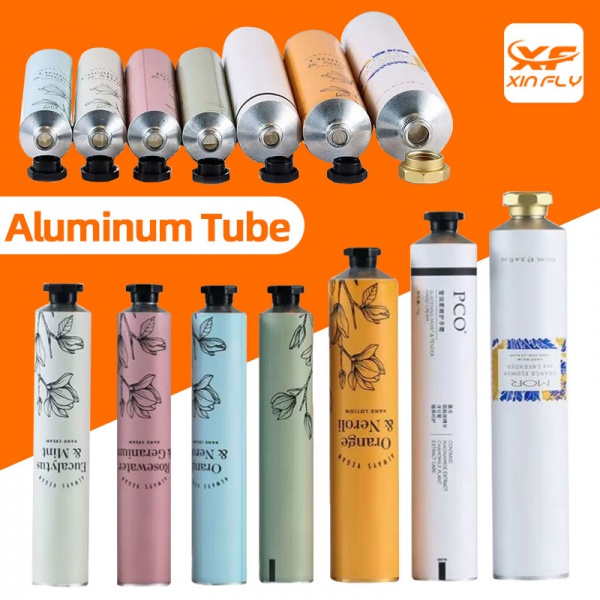
50-100ML Aluminium Collapsible Tubes Hand Cream Tube With Octagonal Top
50-100ML Aluminium Collapsible Tubes Hand Cream Tube With Octagonal Top manufacturers and suppliers at www.cosmetic-tube.net
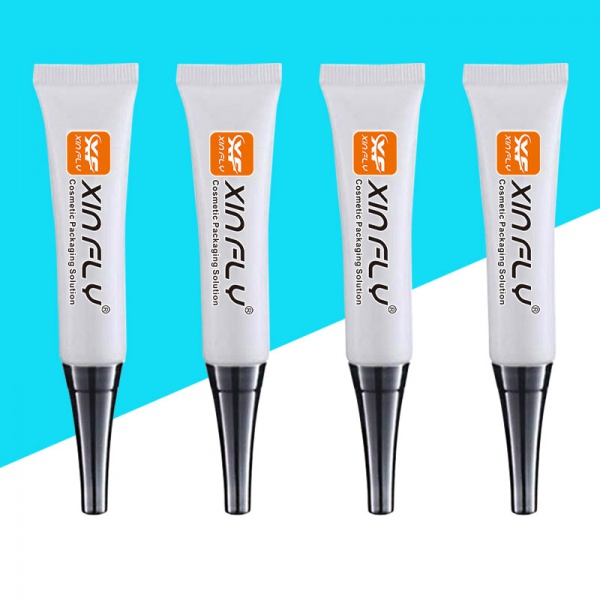
Manufacturer Empty PE Eye Cream Tube Cosmetic Packaging Squeeze Tube with Long Nozzle Custom Medical Gel Container
Manufacturer Empty PE Eye Cream Tube Cosmetic Packaging Squeeze Tube with Long Nozzle Custom Medical Gel Container from Jiangsu Xinfly Packaging Co.,LTD at www.cosmetic-tube.net
Diameter: 16mm-60mm
Length: adjusted within the range of tube capacity (3ml to 500ml)
Layer: mono-layer,double-layer and 5layers tube
Shape: round,oval,super flat
Material: LDPE,HDPE,MDPE,LLDPE,SOFT TOUCH,EVOH
Tube color: white, transparent,colored
Printing: 1-6 colors offset ,silk cosmetic tube
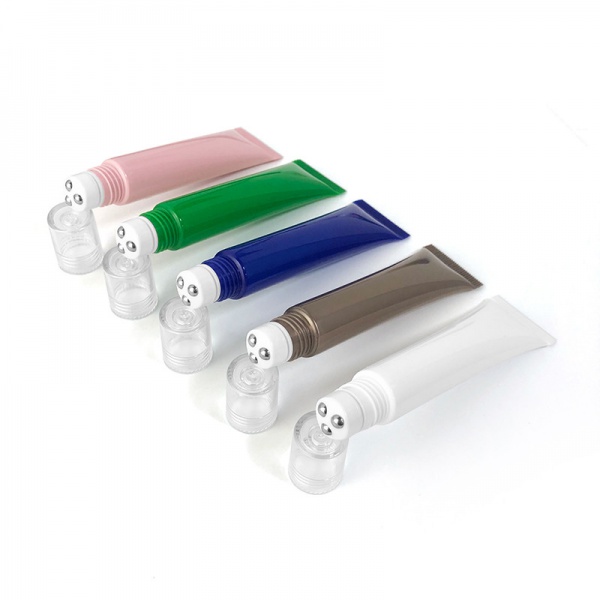
empty packaging cosmetic eyecream tube with steel ball applicator head
empty packaging cosmetic eyecream tube with steel ball applicator head from Jiangsu Xinfly Packaging Co.,LTD at www.cosmetic-tube.net
Diameter: 16mm-60mm
Length: adjusted within the range of tube capacity (3ml to 500ml)
Layer: mono-layer,double-layer and 5layers tube
Shape: round,oval,super flat
Material: LDPE,HDPE,MDPE,LLDPE,SOFT TOUCH,EVOH
Tube color: white, transparent,colored
Printing: 1-6 colors offset ,silk cosmetic tube
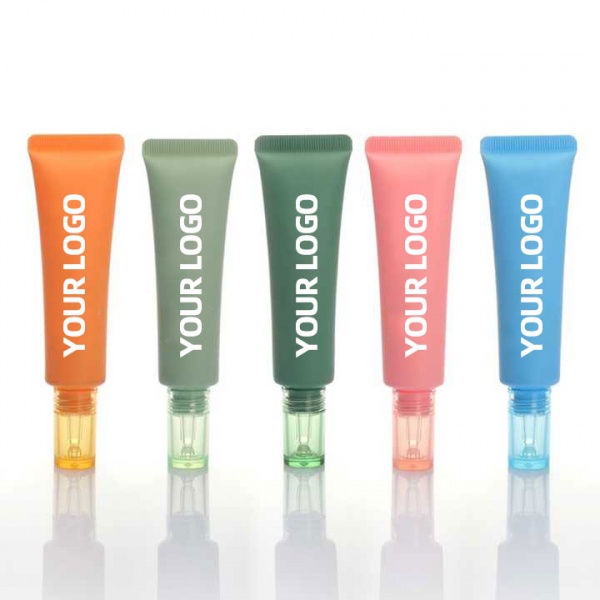
Manufacturer Oem/Odm Customized Soft Plastic Skin Cream Lotion Pe Empty Tube Cosmetic Packaging Composite Nozzle Tubes
Manufacturer Oem/Odm Customized Soft Plastic Skin Cream Lotion Pe Empty Tube Cosmetic Packaging Composite Nozzle Tubes from Jiangsu Xinfly Packaging Co.,LTD at www.cosmetic-tube.net
Diameter: 16mm-60mm
Length: adjusted within the range of tube capacity (3ml to 500ml)
Layer: mono-layer,double-layer and 5layers tube
Shape: round,oval,super flat
Material: LDPE,HDPE,MDPE,LLDPE,SOFT TOUCH,EVOH
Tube color: white, transparent,colored
Printing: 1-6 colors offset ,silk cosmetic tube

10g 10ml 15ml Empty Custom Color Squeeze Tube lip Gloss Lipstick lip Balm Squeeze Tube Packaging Plastic Tube
10g 10ml 15ml Empty Custom Color Squeeze Tube lip Gloss Lipstick lip Balm Squeeze Tube Packaging Plastic Tube at www.cosmetic-tube.net
Diameter: 16mm-60mm
Length: adjusted within the range of tube capacity (3ml to 500ml)
Layer: mono-layer,double-layer and 5layers tube
Shape: round,oval,super flat
Material: LDPE,HDPE,MDPE,LLDPE,SOFT TOUCH,EVOH
Tube color: white, transparent,colored
Printing: 1-6 colors offset ,silk cosmetic tube
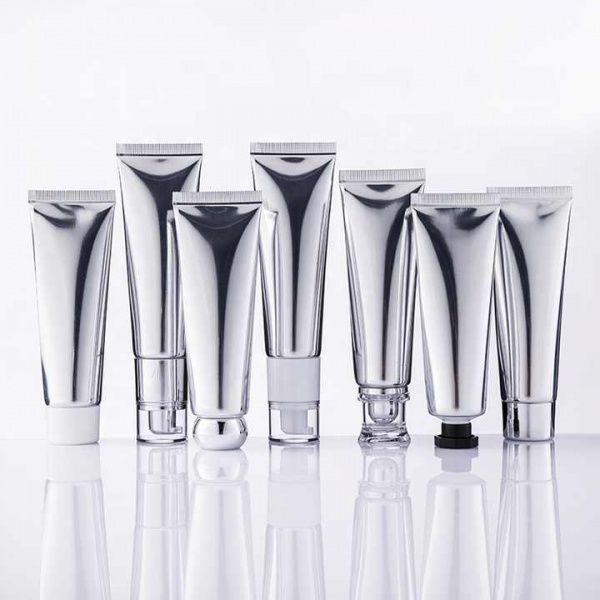
50ml Silver Metallic Glossy Aluminum Laminated Cosmetics Tubes
50ml Silver Metallic Glossy Aluminum Laminated Cosmetics Tubes Cosmetic Tube manufacturers and suppliers at www.cosmetic-tube.net
Diameter: 16mm-60mm
Length: adjusted within the range of tube capacity (3ml to 500ml)
Layer: mono-layer,double-layer and 5layers tube
Shape: round,oval,super flat
Material: LDPE,HDPE,MDPE,LLDPE,SOFT TOUCH,EVOH
Tube color: white, transparent,colored
Printing: 1-6 colors offset ,silk cosmetic tube
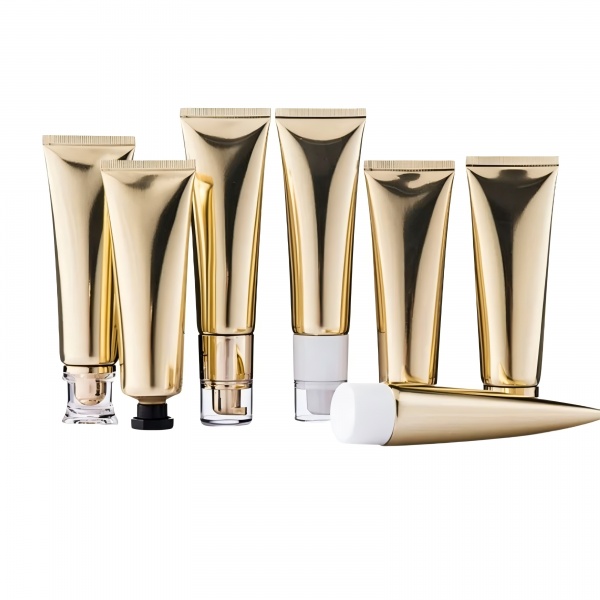
ABL shiny metallic packing with style Gold Aluminum Plastic Cream tube airless Facial Cleansing Cosmetic Tube
ABL shiny metallic packing with style Gold Aluminum Plastic Cream tube airless Facial Cleansing Cosmetic Tube manufacturers and suppliers at www.cosmetic-tube.net
Diameter: 16mm-60mm
Length: adjusted within the range of tube capacity (3ml to 500ml)
Layer: mono-layer,double-layer and 5layers tube
Shape: round,oval,super flat
Material: LDPE,HDPE,MDPE,LLDPE,SOFT TOUCH,EVOH
Tube color: white, transparent,colored
Printing: 1-6 colors offset ,silk cosmetic tube
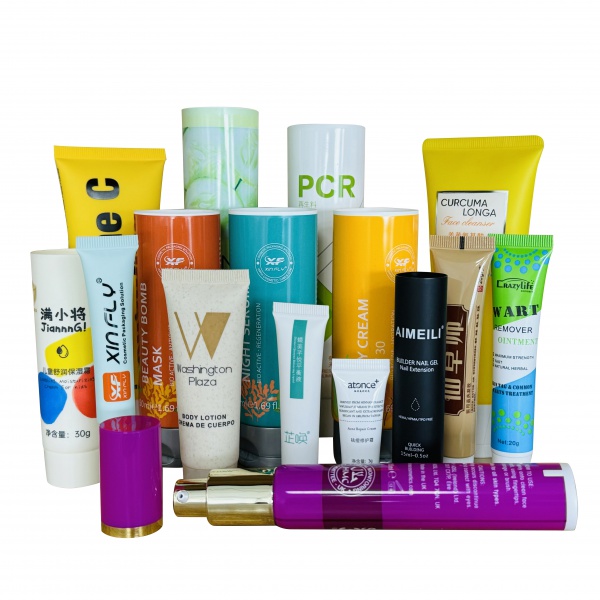
Cosmetic Tube Packaging Cosmetics Container
Cosmetic Tube,Packaging Cosmetics Container manufacturers and suppliers at www.cosmetic-tube.net
Diameter: 16mm-60mm
Length: adjusted within the range of tube capacity (3ml to 500ml)
Layer: mono-layer,double-layer and 5layers tube
Shape: round,oval,super flat
Material: LDPE,HDPE,MDPE,LLDPE,SOFT TOUCH,EVOH
Tube color: white, transparent,colored
Printing: 1-6 colors offset ,silk cosmetic tube
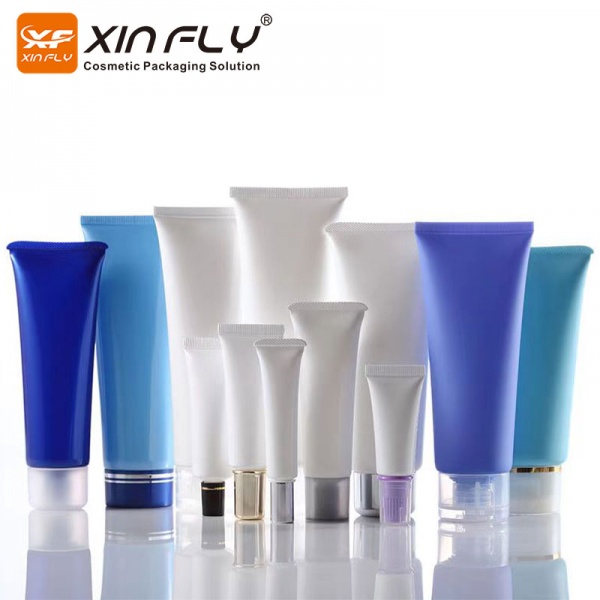
Plastic cosmetic tube manufacturers and suppliers
Plastic cosmetic tube manufacturers and suppliers at www.cosmetic-tube.net
Diameter: 16mm-60mm
Length: adjusted within the range of tube capacity (3ml to 500ml)
Layer: mono-layer,double-layer and 5layers tube
Shape: round,oval,super flat
Material: LDPE,HDPE,MDPE,LLDPE,SOFT TOUCH,EVOH
Tube color: white, transparent,colored
Printing: 1-6 colors offset ,silk cosmetic tube
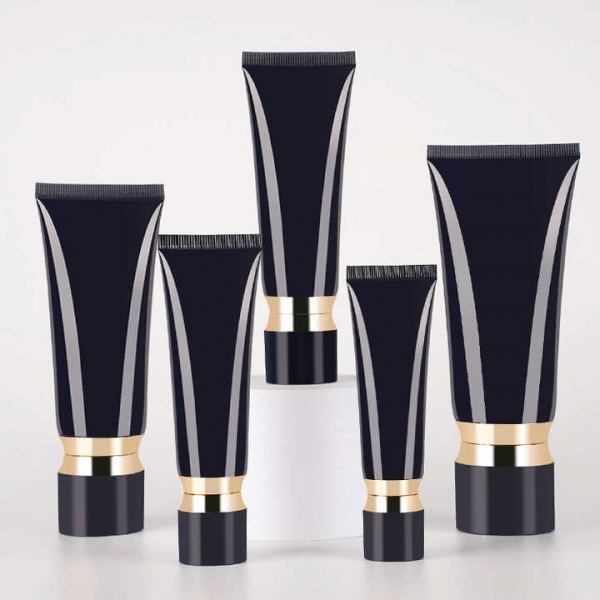
Black 120ml 150ml skin care tube cosmetic plastic packaging tube BB CC cream round plastic packaging tube with screw cap
black 120ml 150ml skin care tube cosmetic plastic packaging tube BB CC cream round plastic packaging tube with screw cap at www.cosmetic-tube.net
Diameter: 16mm-60mm
Length: adjusted within the range of tube capacity (3ml to 500ml)
Layer: mono-layer,double-layer and 5layers tube
Shape: round,oval,super flat
Material: LDPE,HDPE,MDPE,LLDPE,SOFT TOUCH,EVOH
Tube color: white, transparent,colored
Printing: 1-6 colors offset ,silk cosmetic tube
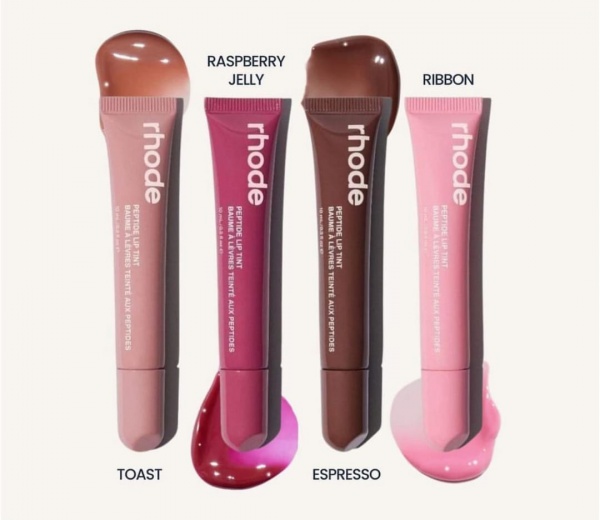
Lipgloss Lip Lipgloss Gloss squeeze tube Cosmetic Soft Tube Packaging
Lipgloss Lip Lipgloss Gloss squeeze tube Cosmetic Soft Tube Packaging at www.cosmetic-tube.net
Diameter: 16mm-60mm
Length: adjusted within the range of tube capacity (3ml to 500ml)
Layer: mono-layer,double-layer and 5layers tube
Shape: round,oval,super flat
Material: LDPE,HDPE,MDPE,LLDPE,SOFT TOUCH,EVOH
Tube color: white, transparent,colored
Printing: 1-6 colors offset ,silk cosmetic tube
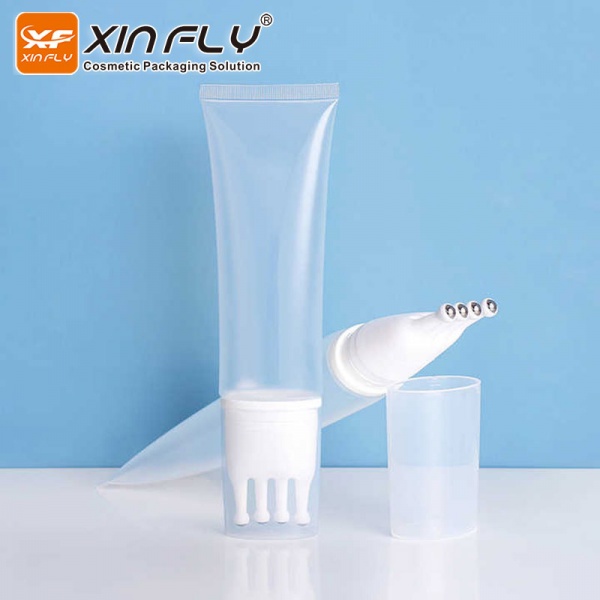
Empty Scalp Massage Skin Care Cream Tube Packaging With Head Massage Applicator With Metal Three Ball Portable Body Massage Tube
Empty Scalp Massage Skin Care Cream Tube Packaging With Head Massage Applicator With Metal Three Ball Portable Body Massage Tube at www.cosmetic-tube.net
Diameter: 16mm-60mm
Length: adjusted within the range of tube capacity (3ml to 500ml)
Layer: mono-layer,double-layer and 5layers tube
Shape: round,oval,super flat
Material: LDPE,HDPE,MDPE,LLDPE,SOFT TOUCH,EVOH
Tube color: white, transparent,colored
Printing: 1-6 colors offset ,silk cosmetic tube

wholesale empty 30ml 50ml 100ml 150ml white plastic PE cosmetic squeeze printing tube with flip top cover
wholesale empty 30ml 50ml 100ml 150ml white plastic PE cosmetic squeeze printing tube with flip top cover on www.cosmetic-tube.net
Diameter: 16mm-60mm
Length: adjusted within the range of tube capacity (3ml to 500ml)
Layer: mono-layer,double-layer and 5layers tube
Shape: round,oval,super flat
Material: LDPE,HDPE,MDPE,LLDPE,SOFT TOUCH,EVOH
Tube color: white, transparent,colored
Printing: 1-6 colors offset ,silk cosmetic tube

Empty 10ml 15ml 30ml 60ml Black Blackout Hard Acrylic UV Nail Extension Poly Building Gel Cosmetic Tube For Gel Packaging
Empty 10ml 15ml 30ml 60ml Black Blackout Hard Acrylic UV Nail Extension Poly Building Gel Cosmetic Tube For Gel Packaging at www.cosmetic-tube.net
Diameter: 16mm-60mm
Length: adjusted within the range of tube capacity (3ml to 500ml)
Layer: mono-layer,double-layer and 5layers tube
Shape: round,oval,super flat
Material: LDPE,HDPE,MDPE,LLDPE,SOFT TOUCH,EVOH
Tube color: white, transparent,colored
Printing: 1-6 colors offset ,silk cosmetic tube
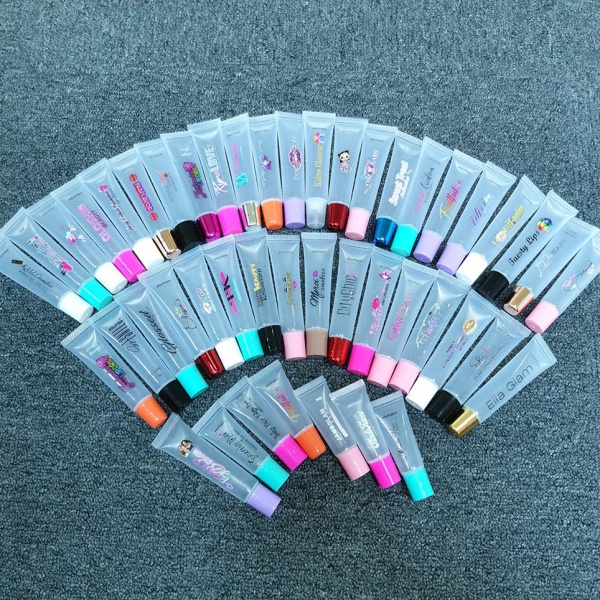
Empty Lip Gloss squeeze tubes
Empty Lip Gloss squeeze tubes from Jiangsu Xinfly Packaging Co.,LTD at www.cosmetic-tube.net
Diameter: 16mm-60mm
Length: adjusted within the range of tube capacity (3ml to 500ml)
Layer: mono-layer,double-layer and 5layers tube
Shape: round,oval,super flat
Material: LDPE,HDPE,MDPE,LLDPE,SOFT TOUCH,EVOH
Tube color: white, transparent,colored
Printing: 1-6 colors offset ,silk cosmetic tube

Empty Cosmetic Packaging Plastic Soft Squeeze Hotel Body Lotion Shampoo Conditioner Body Wash Tube Set
Empty Cosmetic Packaging Plastic Soft Squeeze Hotel Body Lotion Shampoo Conditioner Body Wash Tube Set - empty cosmetic packaging,empty cosmetic tube ,Body lotion tube,shampoo tube on www.cosmetic-tube.net
Diameter: 16mm-60mm
Length: adjusted within the range of tube capacity (3ml to 500ml)
Layer: mono-layer,double-layer and 5layers tube
Shape: round,oval,super flat
Material: LDPE,HDPE,MDPE,LLDPE,SOFT TOUCH,EVOH
Tube color: white, transparen

Eco Friendly Biodegradable Material Wheat Straw Tubes Packaging
Eco Friendly Biodegradable Material Wheat Straw Tubes Packaging - Wheat Straw Tubes,Cosmetic Tubes Packaging,Plastic Tube For Cosmetics,Recycled Plastic Tube,Biodegradable cosmetic tube on www.cosmetic-tube.net
Diameter: 16mm-60mm
Length: adjusted within the range of tube capacity (3ml to 500ml)
Layer: mono-layer,double-layer and 5layers tube
Shape: round,oval,super flat
Material: LDPE,HDPE,MDPE,LLDPE,SOFT TOUCH,EVOH
Tube color: white, transparen
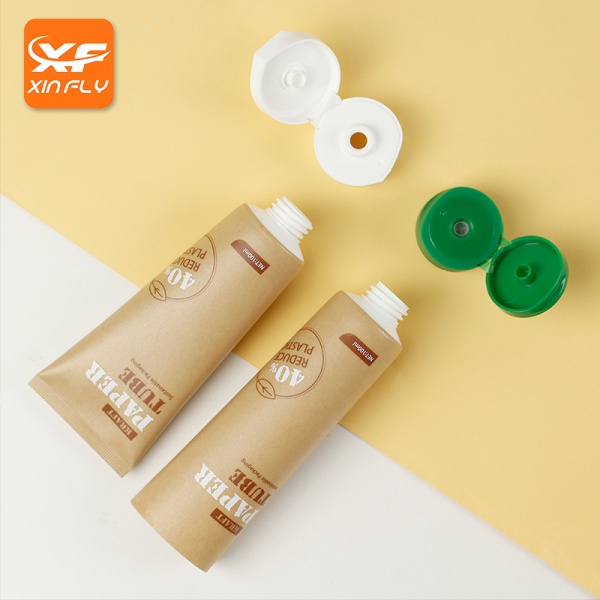
Recyclable 40% Kraft Paper Plastic Body Lotion Hand Cream Cosmetic Soft Tube Biodegradable squeeze tubes packaging
Recyclable 40% Paper Plastic Body Lotion Hand Cream Cosmetic Soft Tube Biodegradable squeeze tubes packaging - Paper Cosmetic Tube,Cosmetic Tubes Packaging,Plastic Tube For Cosmetics,Recycled Plastic Tube,Recycled cosmetic tube on www.cosmetic-tube.net
Diameter: 16mm-60mm
Length: adjusted within the range of tube capacity (3ml to 500ml)
Layer: mono-layer,double-layer and 5layers tube
Shape: round,oval,super flat
Material: LDPE,HDPE,MDPE,LLDPE,SOFT TOUCH,EVOH
Tube color: white, transparen

Eco-packaging Plastic PCR (Post-consumer Resin) Tubes Recycled Cosmetic Tube For Cosmetic Packaging
Eco-packaging Plastic PCR (Post-consumer Resin) Tubes Recycled Cosmetic Tube For Cosmetic Packaging - Pcr Tube,Cosmetic Tubes Packaging,Plastic Tube For Cosmetics Packaging Product on www.cosmetic-tube.net
Diameter: 16mm-60mm
Length: adjusted within the range of tube capacity (3ml to 500ml)
Layer: mono-layer,double-layer and 5layers tube
Shape: round,oval,super flat
Material: LDPE,HDPE,MDPE,LLDPE,SOFT TOUCH,EVOH
Tube color: white, transparent,colored
Printing: 1-6 colors offset ,silkscr
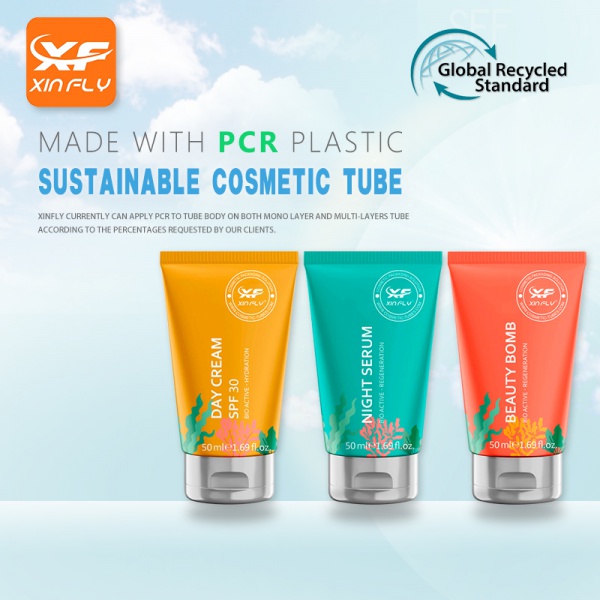
Customization Eco-friendly PCR Cosmetic Cream Lotion Cleanser Body Skincare Tube Packaging Recycled Plastic Tube
Customization Eco-friendly PCR Cosmetic Cream Lotion Cleanser Body Skincare Tube Packaging Recycled Plastic Tube - Pcr Tube,Cosmetic Tubes Packaging,Plastic Tube For Cosmetics Packaging Product on www.cosmetic-tube.net
Diameter: 16mm-60mm
Length: adjusted within the range of tube capacity (3ml to 500ml)
Layer: mono-layer,double-layer and 5layers tube
Shape: round,oval,super flat
Material: LDPE,HDPE,MDPE,LLDPE,SOFT TOUCH,EVOH
Tube color: white, transparent,colored
Coating: Glossy,Matte
Pr
Empty Tube Cosmetic Cream Lotion Facial Cleanser Tubes Gold High Glossy ABL Plastic 100ml 120ml Cosmetic Packaging Round
Empty Tube Cosmetic Cream Lotion Facial Cleanser Tubes Gold High Glossy ABL Plastic 100ml 120ml Cosmetic Packaging Round Tube Manufacturer at www.cosmetic-tube.net
100g Cosmetic Plastic Cream Soft Plastic Tube Laminated Soft Plastic Toothpaste Tube Packaging With Screw Lid
100g Cosmetic Plastic Cream Soft Plastic Tube Laminated Soft Plastic Toothpaste Tube Packaging With Screw Lid Manufacturer at www.cosmetic-tube.net
OEM/ODM Plastic Tube Empty PE Tube Skin Cream Cleanser Face Cream Sunscreen Cosmetic Packaging Squeeze Tube Manufacturer
OEM/ODM Plastic Tube Empty PE Tube Skin Cream Cleanser Face Cream Sunscreen Cosmetic Packaging Squeeze Tube Manufacturer at www.cosmetic-tube.net
50-100ML Aluminium Collapsible Tubes Hand Cream Tube With Octagonal Top
50-100ML Aluminium Collapsible Tubes Hand Cream Tube With Octagonal Top manufacturers and suppliers at www.cosmetic-tube.net
50ml Silver Metallic Glossy Aluminum Laminated Cosmetics Tubes
50ml Silver Metallic Glossy Aluminum Laminated Cosmetics Tubes Cosmetic Tube manufacturers and suppliers at www.cosmetic-tube.net
Diameter: 16mm-60mm
Length: adjusted within the range of tube capacity (3ml to 500ml)
Layer: mono-layer,double-layer and 5layers tube
Shape: round,oval,super flat
Material: LDPE,HDPE,MDPE,LLDPE,SOFT TOUCH,EVOH
Tube color: white, transparent,colored
Printing: 1-6 colors offset ,silk cosmetic tube
ABL shiny metallic packing with style Gold Aluminum Plastic Cream tube airless Facial Cleansing Cosmetic Tube
ABL shiny metallic packing with style Gold Aluminum Plastic Cream tube airless Facial Cleansing Cosmetic Tube manufacturers and suppliers at www.cosmetic-tube.net
Diameter: 16mm-60mm
Length: adjusted within the range of tube capacity (3ml to 500ml)
Layer: mono-layer,double-layer and 5layers tube
Shape: round,oval,super flat
Material: LDPE,HDPE,MDPE,LLDPE,SOFT TOUCH,EVOH
Tube color: white, transparent,colored
Printing: 1-6 colors offset ,silk cosmetic tube
Cosmetic Tube Packaging Cosmetics Container
Cosmetic Tube,Packaging Cosmetics Container manufacturers and suppliers at www.cosmetic-tube.net
Diameter: 16mm-60mm
Length: adjusted within the range of tube capacity (3ml to 500ml)
Layer: mono-layer,double-layer and 5layers tube
Shape: round,oval,super flat
Material: LDPE,HDPE,MDPE,LLDPE,SOFT TOUCH,EVOH
Tube color: white, transparent,colored
Printing: 1-6 colors offset ,silk cosmetic tube
Plastic cosmetic tube manufacturers and suppliers
Plastic cosmetic tube manufacturers and suppliers at www.cosmetic-tube.net
Diameter: 16mm-60mm
Length: adjusted within the range of tube capacity (3ml to 500ml)
Layer: mono-layer,double-layer and 5layers tube
Shape: round,oval,super flat
Material: LDPE,HDPE,MDPE,LLDPE,SOFT TOUCH,EVOH
Tube color: white, transparent,colored
Printing: 1-6 colors offset ,silk cosmetic tube
Black 120ml 150ml skin care tube cosmetic plastic packaging tube BB CC cream round plastic packaging tube with screw cap
black 120ml 150ml skin care tube cosmetic plastic packaging tube BB CC cream round plastic packaging tube with screw cap at www.cosmetic-tube.net
Diameter: 16mm-60mm
Length: adjusted within the range of tube capacity (3ml to 500ml)
Layer: mono-layer,double-layer and 5layers tube
Shape: round,oval,super flat
Material: LDPE,HDPE,MDPE,LLDPE,SOFT TOUCH,EVOH
Tube color: white, transparent,colored
Printing: 1-6 colors offset ,silk cosmetic tube
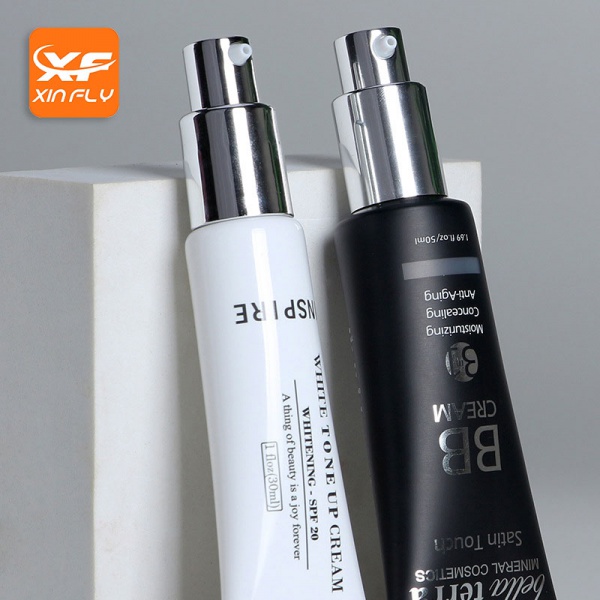
Luxury Empty Plastic 30ml 50ml BB Eye Cream Tube Airless Pump Squeeze Cosmetic Sugarcane Soft Touch Tubes
Luxury Empty Plastic 15ml 30ml 50ml BB Eye Cream Tube Airless Pump Squeeze Cosmetic Sugarcane Soft Touch Tubes on www.cosmetic-tube.net
Diameter: 16mm-60mm
Length: adjusted within the range of tube capacity (3ml to 500ml)
Layer: mono-layer,double-layer and 5layers tube
Shape: round,oval,super flat
Material: LDPE,HDPE,MDPE,LLDPE,SOFT TOUCH,EVOH
Tube color: white, transparent,colored
Printing: 1-6 colors offset ,silk cosmetic tube
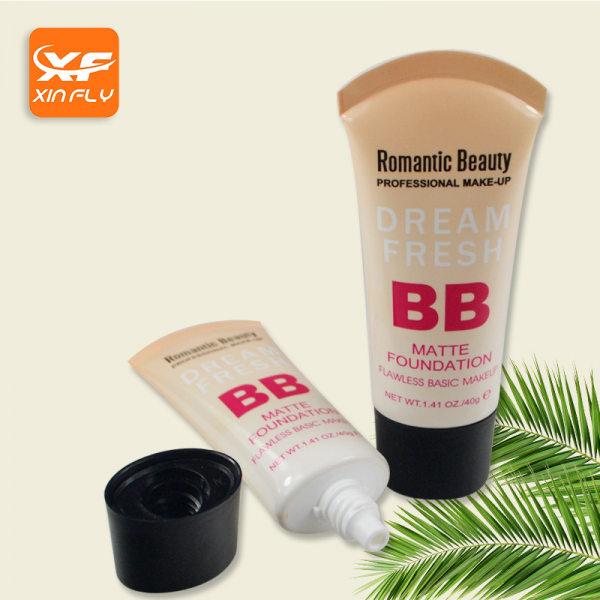
Empty 30ml 35ml Squeeze BB CC Cream Lotion Container Tube Packaging
Cheap 30ml 35ml Squeeze BB CC Cream Lotion Container Tube Packaging on www.cosmetic-tube.net
Diameter: 16mm-60mm
Length: adjusted within the range of tube capacity (3ml to 500ml)
Layer: mono-layer,double-layer and 5layers tube
Shape: round,oval,super flat
Material: LDPE,HDPE,MDPE,LLDPE,SOFT TOUCH,EVOH
Tube color: white, transparent,colored
Printing: 1-6 colors offset ,silk cosmetic tube
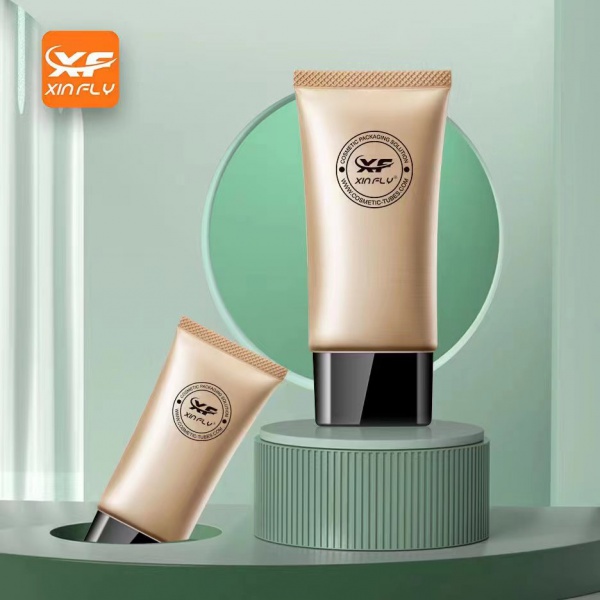
30ml 35ml Squeeze BB CC Cream Lotion Container Tube Packaging
Cheap 30ml 35ml Squeeze BB CC Cream Lotion Container Tube Packaging on www.cosmetic-tube.net
Diameter: 16mm-60mm
Length: adjusted within the range of tube capacity (3ml to 500ml)
Layer: mono-layer,double-layer and 5layers tube
Shape: round,oval,super flat
Material: LDPE,HDPE,MDPE,LLDPE,SOFT TOUCH,EVOH
Tube color: white, transparent,colored
Printing: 1-6 colors offset ,silk cosmetic tube
Manufacturers wholesale new empty lipstick tubes hang pendantslip gloss squeeze tube
Manufacturers wholesale new empty lipstick tubes hang pendantslip gloss squeeze tube with Custom logo at www.cosmetic-tube.net
Diameter: 16mm-60mm
Length: adjusted within the range of tube capacity (3ml to 500ml)
Layer: mono-layer,double-layer and 5layers tube
Shape: round,oval,super flat
Material: LDPE,HDPE,MDPE,LLDPE,SOFT TOUCH,EVOH
Tube color: white, transparent,colored
Printing: 1-6 colors offset ,silk cosmetic tube
Hot Sale Squeeze PETG Eye Cream Tube Lip Gloss Tubes Lip Balm Packaging Custom Volume Replaceable Head with Custom logo
Hot Sale Squeeze PETG Eye Cream Tube Lip Gloss Tubes Lip Balm Packaging Custom Volume Replaceable Head with Custom logo at www.cosmetic-tube.net
Diameter: 16mm-60mm
Length: adjusted within the range of tube capacity (3ml to 500ml)
Layer: mono-layer,double-layer and 5layers tube
Shape: round,oval,super flat
Material: LDPE,HDPE,MDPE,LLDPE,SOFT TOUCH,EVOH
Tube color: white, transparent,colored
Printing: 1-6 colors offset ,silk cosmetic tube
10g 10ml 15ml Empty Custom Color Squeeze Tube lip Gloss Lipstick lip Balm Squeeze Tube Packaging Plastic Tube
10g 10ml 15ml Empty Custom Color Squeeze Tube lip Gloss Lipstick lip Balm Squeeze Tube Packaging Plastic Tube at www.cosmetic-tube.net
Diameter: 16mm-60mm
Length: adjusted within the range of tube capacity (3ml to 500ml)
Layer: mono-layer,double-layer and 5layers tube
Shape: round,oval,super flat
Material: LDPE,HDPE,MDPE,LLDPE,SOFT TOUCH,EVOH
Tube color: white, transparent,colored
Printing: 1-6 colors offset ,silk cosmetic tube
Lipgloss Lip Lipgloss Gloss squeeze tube Cosmetic Soft Tube Packaging
Lipgloss Lip Lipgloss Gloss squeeze tube Cosmetic Soft Tube Packaging at www.cosmetic-tube.net
Diameter: 16mm-60mm
Length: adjusted within the range of tube capacity (3ml to 500ml)
Layer: mono-layer,double-layer and 5layers tube
Shape: round,oval,super flat
Material: LDPE,HDPE,MDPE,LLDPE,SOFT TOUCH,EVOH
Tube color: white, transparent,colored
Printing: 1-6 colors offset ,silk cosmetic tube
Empty Lip Gloss squeeze tubes
Empty Lip Gloss squeeze tubes from Jiangsu Xinfly Packaging Co.,LTD at www.cosmetic-tube.net
Diameter: 16mm-60mm
Length: adjusted within the range of tube capacity (3ml to 500ml)
Layer: mono-layer,double-layer and 5layers tube
Shape: round,oval,super flat
Material: LDPE,HDPE,MDPE,LLDPE,SOFT TOUCH,EVOH
Tube color: white, transparent,colored
Printing: 1-6 colors offset ,silk cosmetic tube
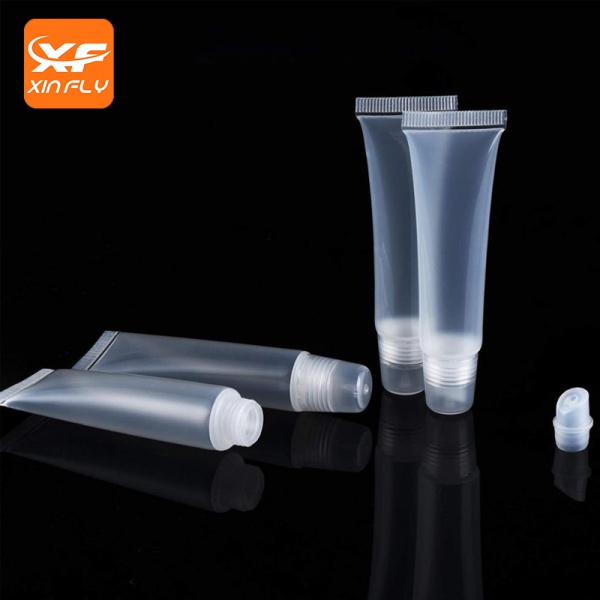
Custom LOGO Pink Black Silver Clear cap lipgloss tube private label 5ml 8ml 10ml 15ml empty squeeze lip gloss tube containers
Custom LOGO Pink Black Silver Clear cap lipgloss tube private label 5ml 8ml 10ml 15ml empty squeeze lip gloss tube containers from Jiangsu Xinfly Packaging Co.,LTD at www.cosmetic-tube.net
Diameter: 16mm-60mm
Length: adjusted within the range of tube capacity (3ml to 500ml)
Layer: mono-layer,double-layer and 5layers tube
Shape: round,oval,super flat
Material: LDPE,HDPE,MDPE,LLDPE,SOFT TOUCH,EVOH
Tube color: white, transparent,colored
Printing: 1-6 colors offset ,silk cosmetic tube
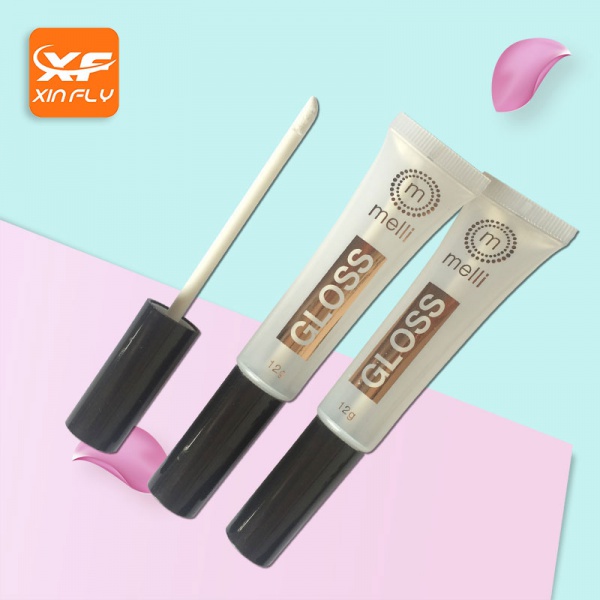
Custom Printed Clear Plastic Lipgloss Tube Container Empty Soft Lip Gloss Squeeze Tubes With Wand
Custom Printed Clear Plastic Lipgloss Tube Container Empty Soft Lip Gloss Squeeze Tubes With Wand from Jiangsu Xinfly Packaging Co.,LTD at www.cosmetic-tube.net
Diameter: 16mm-60mm
Length: adjusted within the range of tube capacity (3ml to 500ml)
Layer: mono-layer,double-layer and 5layers tube
Shape: round,oval,super flat
Material: LDPE,HDPE,MDPE,LLDPE,SOFT TOUCH,EVOH
Tube color: white, transparent,colored
Printing: 1-6 colors offset ,silk cosmetic tube
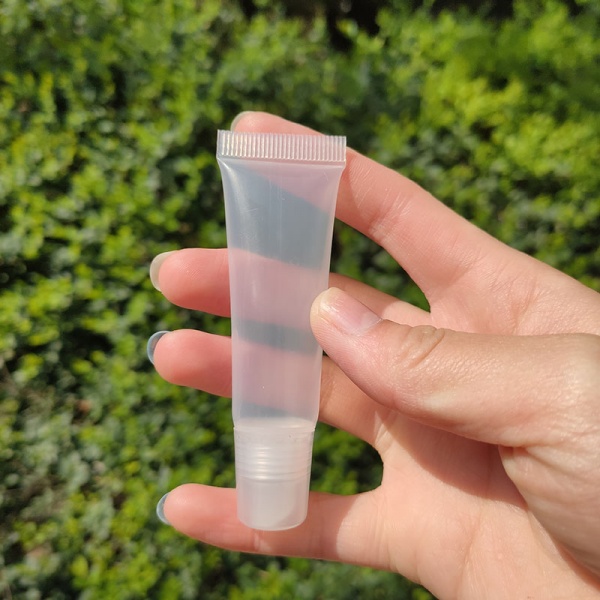
15ml Empty Lip Gloss squeeze tubes
15ml Empty Lip Gloss squeeze tubes from Jiangsu Xinfly Packaging Co.,LTD at www.cosmetic-tube.net
Diameter: 16mm-60mm
Length: adjusted within the range of tube capacity (3ml to 500ml)
Layer: mono-layer,double-layer and 5layers tube
Shape: round,oval,super flat
Material: LDPE,HDPE,MDPE,LLDPE,SOFT TOUCH,EVOH
Tube color: white, transparent,colored
Printing: 1-6 colors offset ,silk cosmetic tube
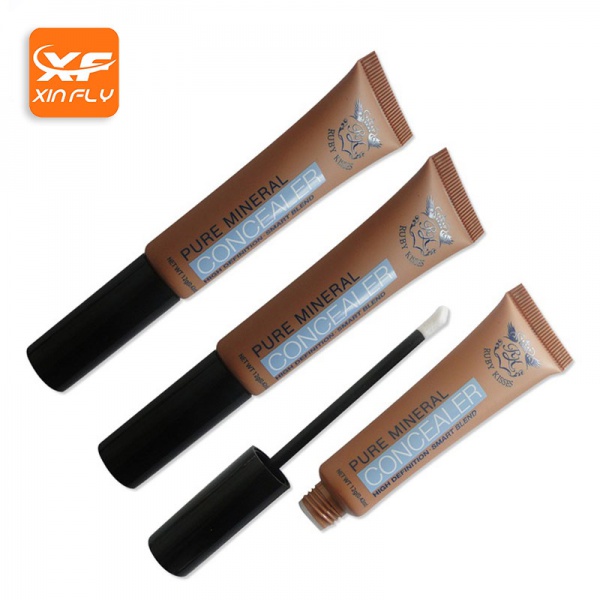
Custom Printed Clear Plastic Lipgloss Tube Container Empty Soft Lip Gloss Squeeze Tubes With Wand-副本-副本
Custom Printed Clear Plastic Lipgloss Tube Container Empty Soft Lip Gloss Squeeze Tubes With Wand from Jiangsu Xinfly Packaging Co.,LTD at www.cosmetic-tube.net
Diameter: 16mm-60mm
Length: adjusted within the range of tube capacity (3ml to 500ml)
Layer: mono-layer,double-layer and 5layers tube
Shape: round,oval,super flat
Material: LDPE,HDPE,MDPE,LLDPE,SOFT TOUCH,EVOH
Tube color: white, transparent,colored
Printing: 1-6 colors offset ,silk cosmetic tube
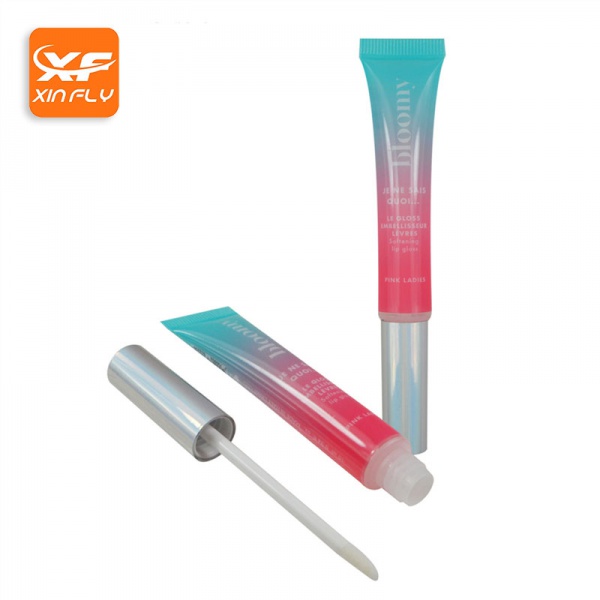
Custom Printed Clear Plastic Lipgloss Tube Container Empty Soft Lip Gloss Squeeze Tubes With Wand
Custom Printed Clear Plastic Lipgloss Tube Container Empty Soft Lip Gloss Squeeze Tubes With Wand from Jiangsu Xinfly Packaging Co.,LTD at www.cosmetic-tube.net
Diameter: 16mm-60mm
Length: adjusted within the range of tube capacity (3ml to 500ml)
Layer: mono-layer,double-layer and 5layers tube
Shape: round,oval,super flat
Material: LDPE,HDPE,MDPE,LLDPE,SOFT TOUCH,EVOH
Tube color: white, transparent,colored
Printing: 1-6 colors offset ,silk cosmetic tube
Manufacturer Empty PE Eye Cream Tube Cosmetic Packaging Squeeze Tube with Long Nozzle Custom Medical Gel Container
Manufacturer Empty PE Eye Cream Tube Cosmetic Packaging Squeeze Tube with Long Nozzle Custom Medical Gel Container from Jiangsu Xinfly Packaging Co.,LTD at www.cosmetic-tube.net
Diameter: 16mm-60mm
Length: adjusted within the range of tube capacity (3ml to 500ml)
Layer: mono-layer,double-layer and 5layers tube
Shape: round,oval,super flat
Material: LDPE,HDPE,MDPE,LLDPE,SOFT TOUCH,EVOH
Tube color: white, transparent,colored
Printing: 1-6 colors offset ,silk cosmetic tube
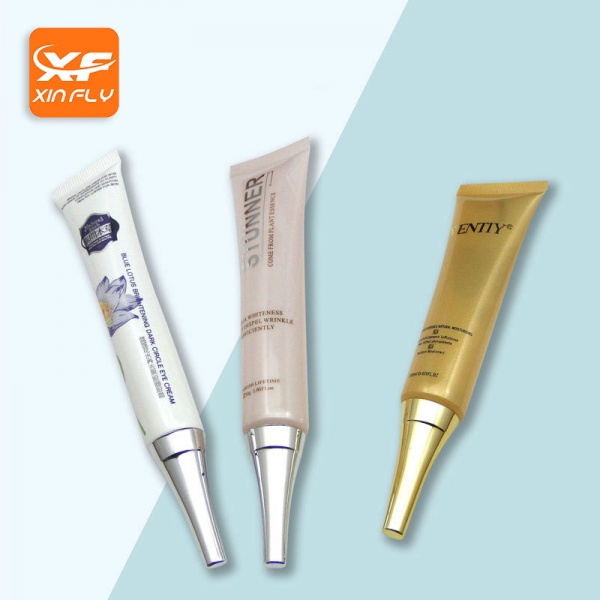
15ml 20ml 30ml custom squeeze soft sample Plastic Long Nozzle Eye Serum cream Tube with plating lid
15ml 20ml 30ml custom squeeze soft sample Plastic Long Nozzle Eye Serum cream Tube with plating lid from Jiangsu Xinfly Packaging Co.,LTD at www.cosmetic-tube.net
Diameter: 16mm-60mm
Length: adjusted within the range of tube capacity (3ml to 500ml)
Layer: mono-layer,double-layer and 5layers tube
Shape: round,oval,super flat
Material: LDPE,HDPE,MDPE,LLDPE,SOFT TOUCH,EVOH
Tube color: white, transparent,colored
Printing: 1-6 colors offset ,silk cosmetic tube
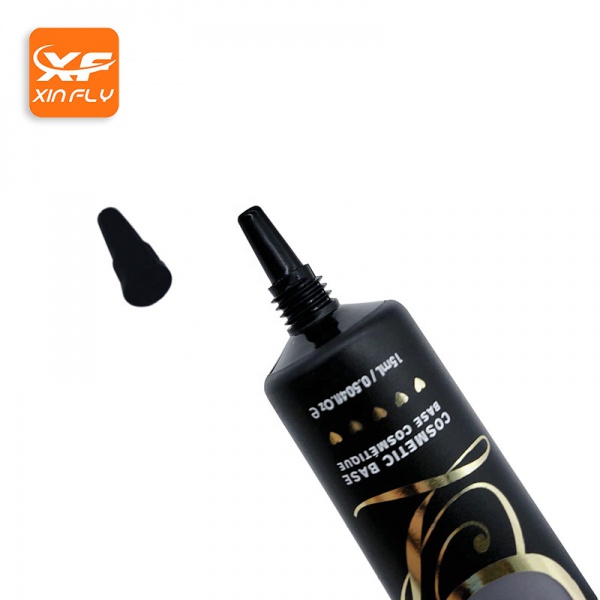
printed empty pe soft tube long nose gel packaging cosmetic eye cream packing containers plastic tube
printed empty pe soft tube long nose gel packaging cosmetic eye cream packing containers plastic tube from Jiangsu Xinfly Packaging Co.,LTD at www.cosmetic-tube.net
Diameter: 16mm-60mm
Length: adjusted within the range of tube capacity (3ml to 500ml)
Layer: mono-layer,double-layer and 5layers tube
Shape: round,oval,super flat
Material: LDPE,HDPE,MDPE,LLDPE,SOFT TOUCH,EVOH
Tube color: white, transparent,colored
Printing: 1-6 colors offset ,silk cosmetic tube
50ml Silver Metallic Glossy Aluminum Laminated Cosmetics Tubes
50ml Silver Metallic Glossy Aluminum Laminated Cosmetics Tubes Cosmetic Tube manufacturers and suppliers at www.cosmetic-tube.net
Diameter: 16mm-60mm
Length: adjusted within the range of tube capacity (3ml to 500ml)
Layer: mono-layer,double-layer and 5layers tube
Shape: round,oval,super flat
Material: LDPE,HDPE,MDPE,LLDPE,SOFT TOUCH,EVOH
Tube color: white, transparent,colored
Printing: 1-6 colors offset ,silk cosmetic tube
ABL shiny metallic packing with style Gold Aluminum Plastic Cream tube airless Facial Cleansing Cosmetic Tube
ABL shiny metallic packing with style Gold Aluminum Plastic Cream tube airless Facial Cleansing Cosmetic Tube manufacturers and suppliers at www.cosmetic-tube.net
Diameter: 16mm-60mm
Length: adjusted within the range of tube capacity (3ml to 500ml)
Layer: mono-layer,double-layer and 5layers tube
Shape: round,oval,super flat
Material: LDPE,HDPE,MDPE,LLDPE,SOFT TOUCH,EVOH
Tube color: white, transparent,colored
Printing: 1-6 colors offset ,silk cosmetic tube
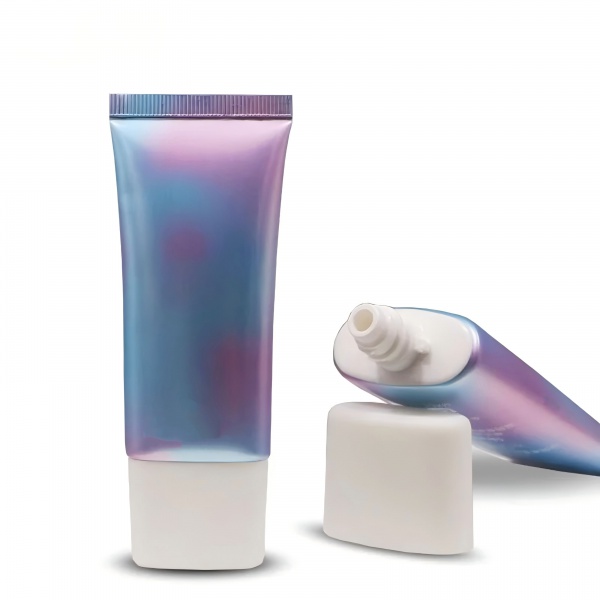
ABL Empty Aluminium Laminated Tubes Cosmetic Packaging Plastic Tube
ABL Empty Aluminium Laminated Tubes Cosmetic Packaging Plastic Tube manufacturers and suppliers at www.cosmetic-tube.net
Diameter: 16mm-60mm
Length: adjusted within the range of tube capacity (3ml to 500ml)
Layer: mono-layer,double-layer and 5layers tube
Shape: round,oval,super flat
Material: LDPE,HDPE,MDPE,LLDPE,SOFT TOUCH,EVOH
Tube color: white, transparent,colored
Printing: 1-6 colors offset ,silk cosmetic tube
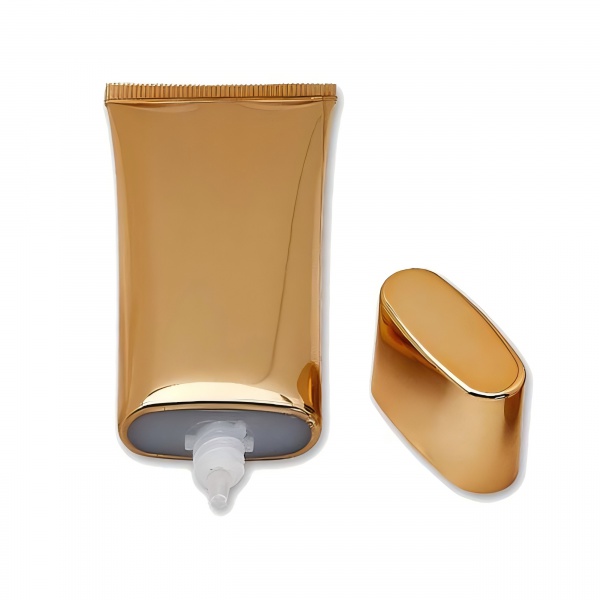
Flat Squeeze Aluminum Plastic Tubes for BB and CC Cream
Flat Oval Squeeze Aluminum Plastic Tubes for BB and CC Cream manufacturers and suppliers at www.cosmetic-tube.net
Diameter: 16mm-60mm
Length: adjusted within the range of tube capacity (3ml to 500ml)
Layer: mono-layer,double-layer and 5layers tube
Shape: round,oval,super flat
Material: LDPE,HDPE,MDPE,LLDPE,SOFT TOUCH,EVOH
Tube color: white, transparent,colored
Printing: 1-6 colors offset ,silk cosmetic tube

No data
Cosmetic Tubes Packaging – Our offer
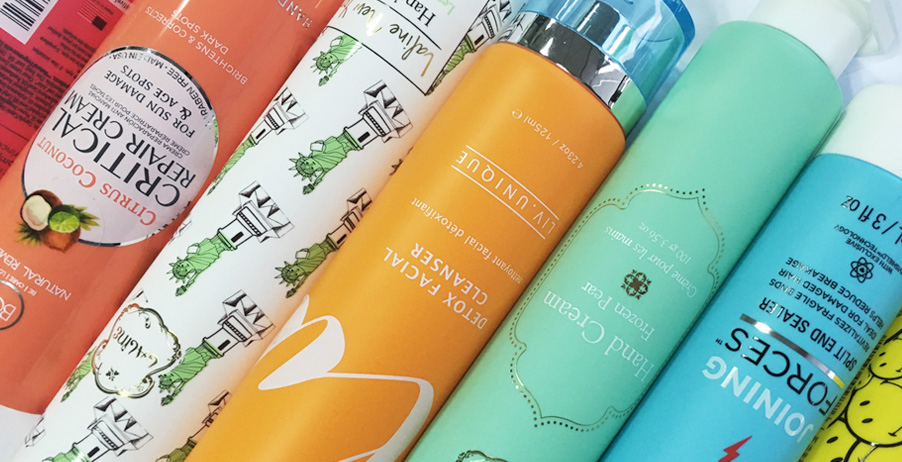
Polyethylene tubes
We manufacture polyethylene tubes from solid and durable polymers of varying density. Their sturdiness makes them a perfect solution for a variety of industries – food, cosmetics, chemicals, pharmaceuticals and more. The colour and size of our recycled plastic tubes, as well as the type of cap, can be adapted to client’s needs.
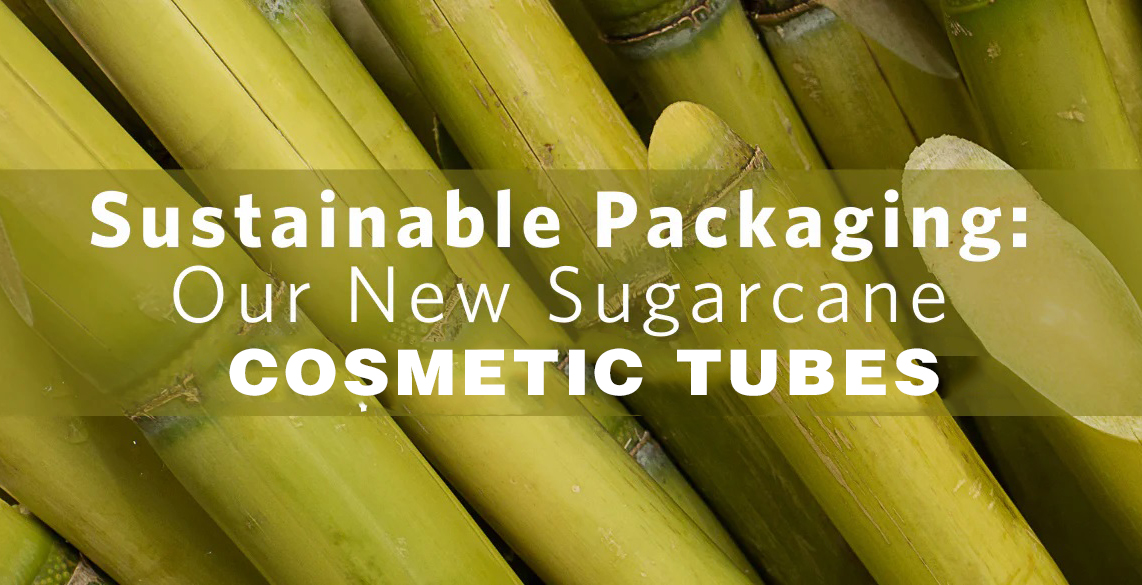
Sugar cane tubes
As one of a few renowned tube manufacturers from China, we made sure to include ecological products within our offer. Sugar cane tubes are made from bio-based polyethylene (at least 96%), which is obtained from sugar cane. This type of packaging does not consist of potentially harmful Biosfenol. This eco friendly squeeze tube can be easily recycled.
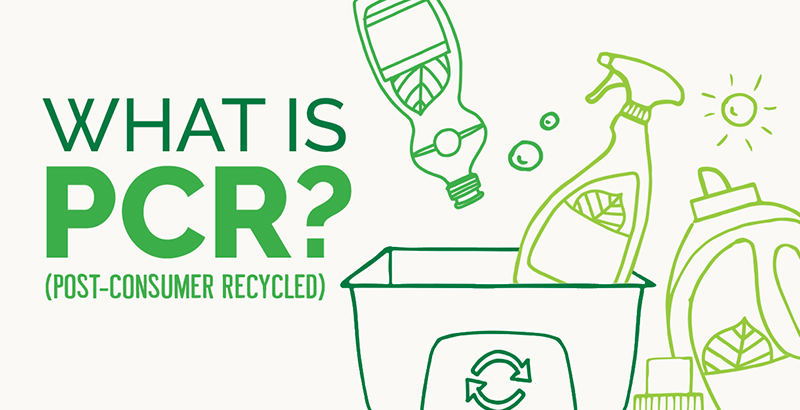
PCR plastic tubes
Our offer includes sustainable tube packaging manufactured from materials obtained by recycling plastic waste from individual households in the China. Xinfly Packaging cares deeply about the environment, which is why we wanted to include PCR plastic tubes in our collection of products. We are going to make sure our tubes meet all your expectations.
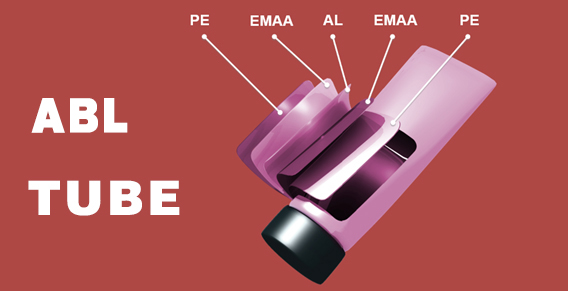
ABL Tube
The ABL (Aluminium Barrier Laminate) tube consists of multiple PE layers, in which an aluminum barrier is embedded (aluminum barrier laminate).
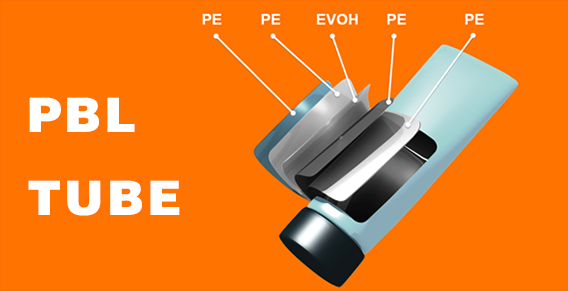
PBL Tube
The PBL (Plastic Barrier Laminate) tube is a laminate tube without aluminum and is completely produced from plastic (plastic barrier laminate)
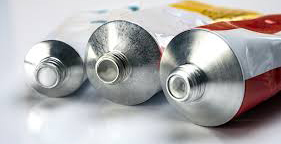
Aluminum Tube
Made of high-purity aluminum, environmentally friendly, recyclable, sturdy, and durable.
Why choose us?
Jiangsu Xinfly Packaging Co.Ltd

Certification
The company's production facilities have achieved ISO-9001:2008 and ISO 1400 certified quality awards. All certified

Logistics Services
The company maintains long-term cooperation with logistics companies such as DHL, Debon, UPS and SF Express, with a fast, convenient and high-quality logistics service system, so that customers can rest assured

Professional Service
The company has a professional sales and technical support team to understand and communicate with customers about the application of products at any time, and provide one-to-one efficient and professional services

Quality Assurance
The company's products all implement STD and EIA standards, fully automated production, so that all parameters of each product are 100% tested more than 5 times to ensure 100% product quality

Timely Delivery
The company has accurate expected stocking and maintains a stable safety stock to meet customers' urgent needs and bulk purchasing needs. We produce 200,000 tubes per day.

3rd Party Inspection
The company's products are sampled every year and sent to third-party inspections (such as SGS and UL), in line with UL, RoHs, REACH and environmental protection requirements of various countries
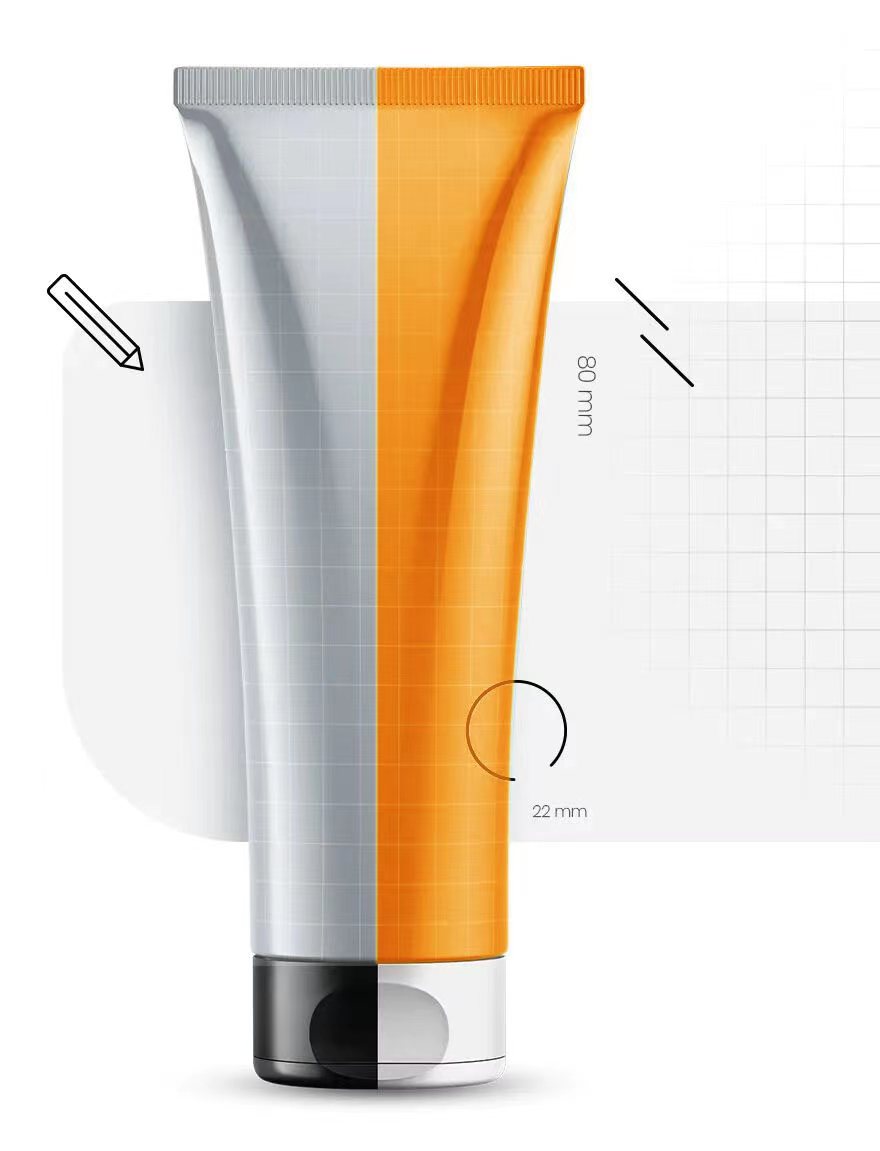
Design your own tube!
JEFF SHAO
CEO
Founder of Jiangsu Xinly Packaging Co., Ltd. 15 years of experience in cosmetic tube production, sales and design.

MARK XUE
SALES DIRECTOR
Engaged in cosmetic tube sales for 11 years.
Make cosmetic tube solution for many brands.

VIKKI LEE
DESIGNER DIRECTOR
7 years of cosmetic packaging design experience, handling more than 1,000 cosmetic tube designs every year. Has rich design experience.

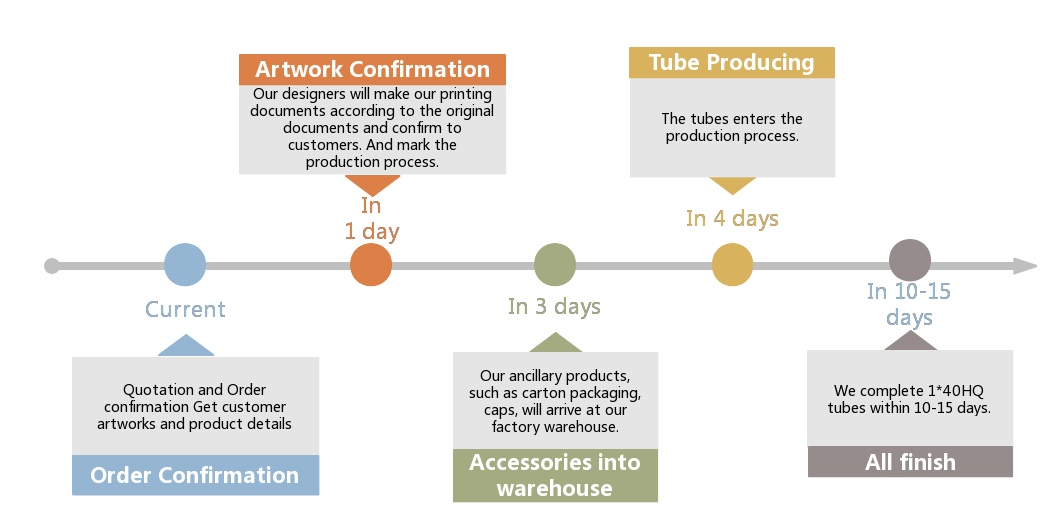
Just-in-Time Production
-
22 2020 / 06
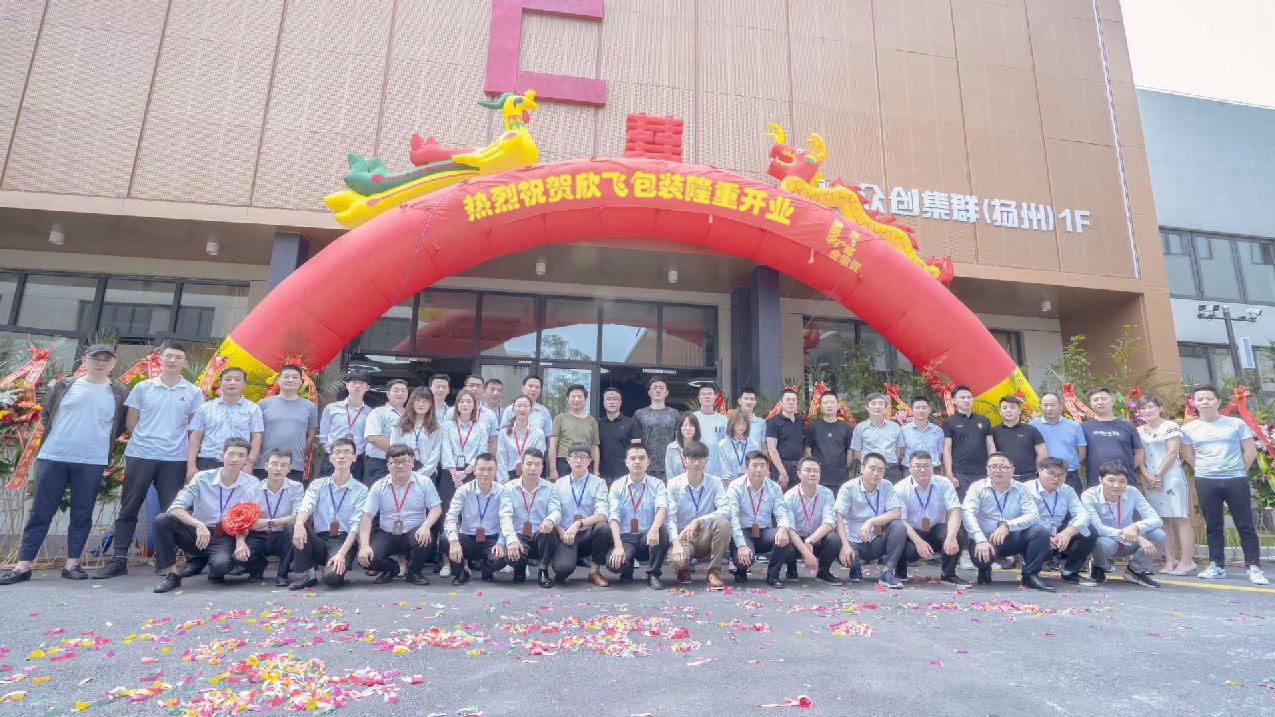
top Reco Jiangsu Xinfly Packaging Co., Ltd. was established

With the expansion of the company's business, Jiangsu Xinfly Packaging Co., Ltd.
-
16 2019 / 09
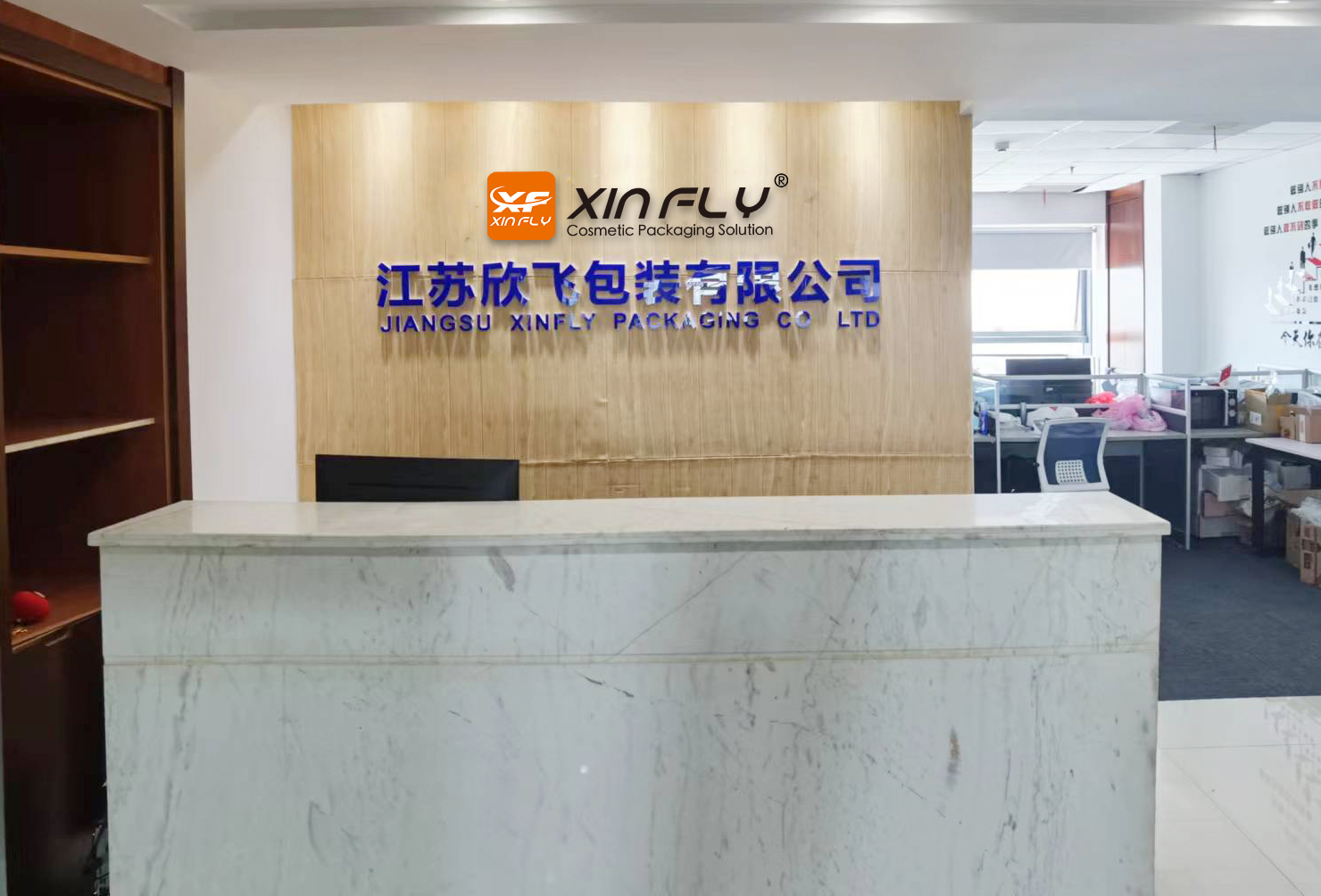
top Reco Jiangsu Xinfly Packaging Co., Ltd. Yangzhou Sales Department was established
Jiangsu Xinfly Packaging Co., Ltd. Yangzhou Sales Department was established. With the expansion of the company's business, Jiangsu Xinfly Packaging Co., Ltd. set up a sales office in Yangzhou in orde
-
22 2019 / 06
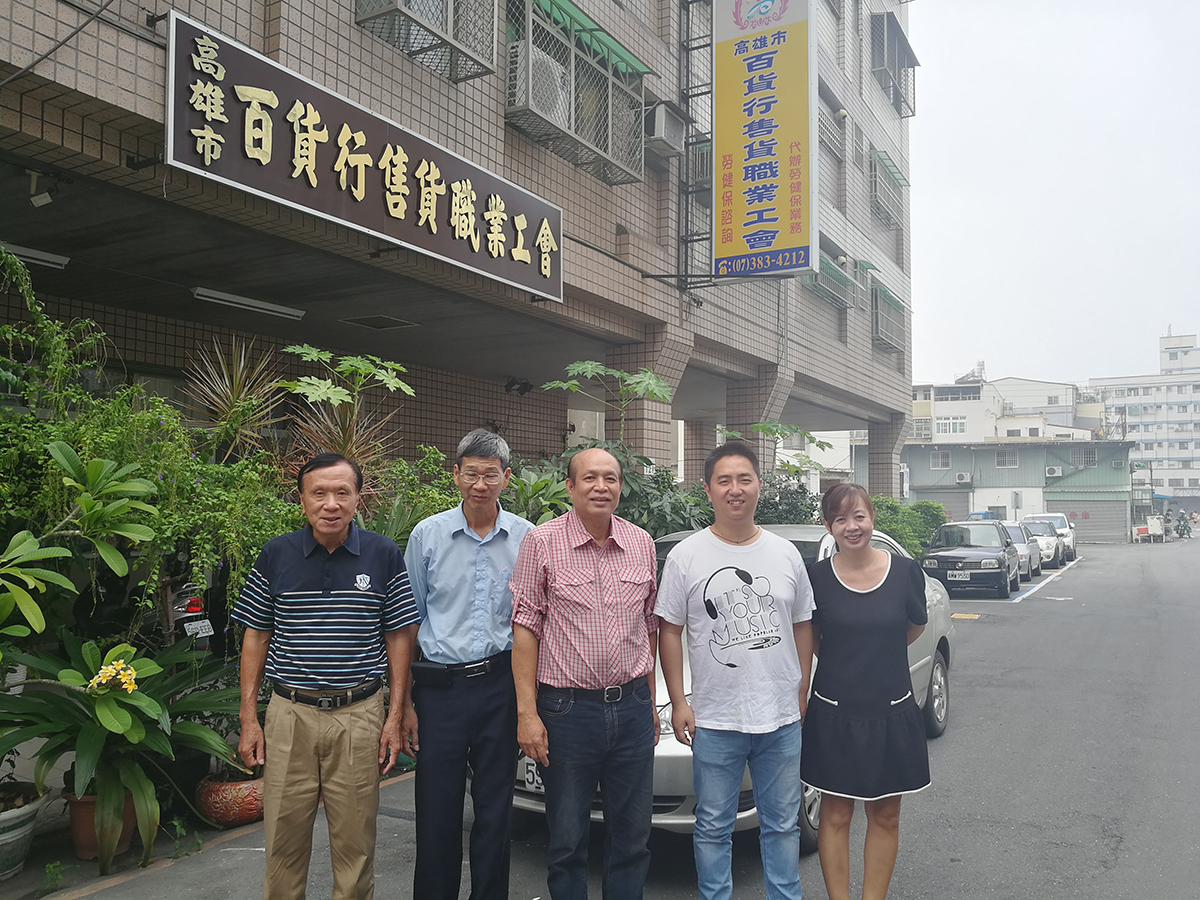
top Reco Taiwan Office (Taiwan Bintai Enterprise)
Xinfly Packaging signed a strategic cooperation agreement with Taiwan Bintai Ent

Create Cosmetic Brands
Xinfly Packaging is with you...
Contact US for Free Consultation and Samples
Ps. Normally we will reply all your inquiries/replies within 24 hours!


copyright © 2015-2025 Jiangsu Xinfly Packaging Co.,Ltd sitemap cosmetic tube packaging cosmetic tube cosmetic tube manufacturer

